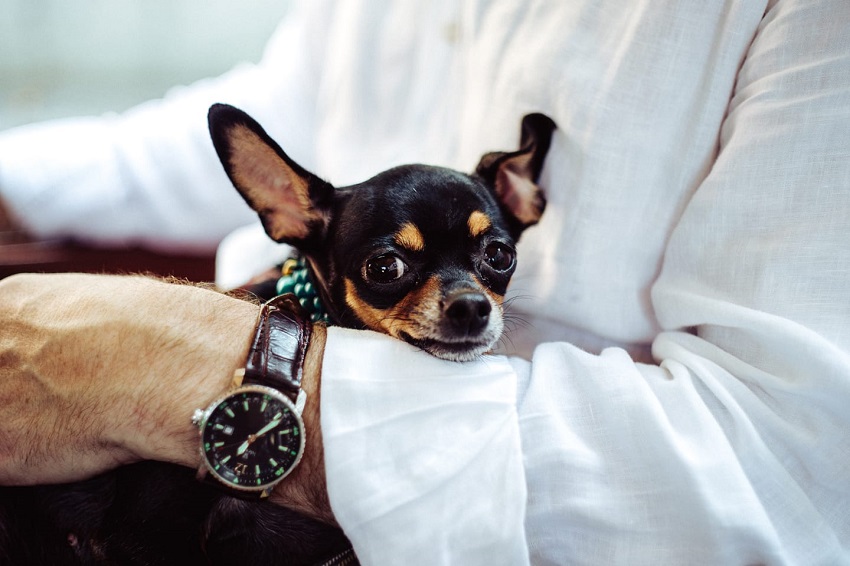
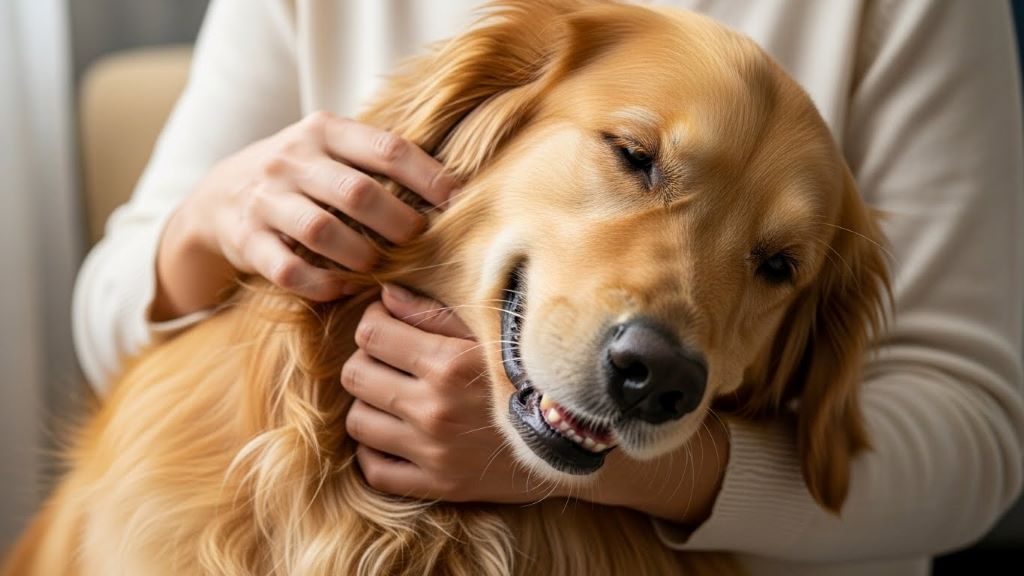
Dogs seek physical touch from their human companions in countless daily moments. Whether greeting you at the door or settling beside you on the couch, they often nudge your hand for pets. This behavior reflects deep biological and emotional needs that connect dogs to their people. Understanding why dogs crave petting helps strengthen your bond and meet their comfort needs effectively.
The Science Behind Petting and Comfort
Physical touch triggers powerful chemical responses in dogs. When you pet your dog, their brain releases oxytocin, often called the love hormone. This same chemical floods human brains during bonding moments with loved ones. Therefore, petting creates genuine feelings of happiness and security in your canine companion.
Additionally, petting lowers cortisol levels in dogs. Cortisol is the primary stress hormone that rises during anxious or fearful situations. By reducing cortisol through gentle touch, you help your dog feel calmer and more relaxed. This biological response explains why dogs actively seek petting during stressful moments like thunderstorms or fireworks.
Research shows that petting also affects heart rate and blood pressure in dogs. These physical indicators of stress decrease when dogs receive gentle, consistent touch from trusted humans. Consequently, petting serves as a natural anxiety reducer that dogs instinctively pursue for emotional regulation.
Evolutionary Roots of Touch-Seeking Behavior
Dogs evolved from wolves over thousands of years through domestication. However, the need for social bonding remained central to their survival. Wild canines engage in physical contact with pack members to reinforce relationships and maintain group cohesion.
Domesticated dogs transferred this instinct to their human families. You became their pack, and physical touch serves the same bonding purpose it did in ancestral groups. Moreover, dogs who bonded closely with humans were more likely to receive food, shelter, and protection. This evolutionary advantage reinforced touch-seeking behaviors across generations.
Puppies experience their first comfort through physical contact with their mother and littermates. This early association between touch and safety creates lifelong expectations. Adult dogs continue seeking similar comfort from their human caregivers throughout their lives.
How Petting Mimics Maternal Grooming
Mother dogs groom their puppies constantly during the first weeks of life. This grooming serves practical purposes like cleaning and stimulation. Nevertheless, it also provides crucial emotional comfort that helps puppies feel secure and loved.
Your petting closely resembles this maternal grooming behavior. The rhythmic strokes and gentle pressure remind dogs of early puppyhood experiences. Therefore, adult dogs associate petting with the deep safety they felt as vulnerable young animals dependent on maternal care.
Grooming behaviors in dog packs serve social functions beyond cleanliness. Pack members groom each other to strengthen bonds and demonstrate care. When you pet your dog, you participate in this ancient social ritual that communicates affection and belonging.
Touch as Communication Between Dogs and Humans
Dogs cannot use words to express their feelings. Instead, they rely heavily on physical communication to interact with their environment and social group. Touch becomes a primary language through which dogs both give and receive emotional information.
When dogs seek petting, they communicate several possible messages. They might express affection, request reassurance, or simply desire pleasant physical sensations. Additionally, dogs learn that approaching humans for pets typically results in positive interactions and attention.
According to National Geographic, dogs have evolved specific behaviors to communicate with humans more effectively than their wolf ancestors. Touch-seeking represents one of these adapted behaviors that facilitates the human-dog relationship.
You also communicate through petting. Your willingness to touch your dog signals acceptance, affection, and availability. Dogs read these signals and understand that you value the relationship. Furthermore, the quality of your touch conveys your emotional state, which dogs perceive and respond to accordingly.
Where Dogs Prefer Being Petted for Maximum Comfort
Not all petting provides equal comfort to dogs. Certain body areas contain more nerve endings or hold greater social significance in canine communication. Understanding these preferences helps you deliver more effective comfort through touch.
Most dogs enjoy petting on the chest, shoulders, and base of the neck. These areas feel naturally comfortable and non-threatening. Additionally, scratching behind the ears often produces visible pleasure responses because this area is difficult for dogs to reach themselves.
Many dogs love belly rubs, though this requires trust. The belly represents a vulnerable area that dogs only expose when feeling completely safe. Therefore, a dog rolling over for belly rubs demonstrates significant trust and comfort with you.
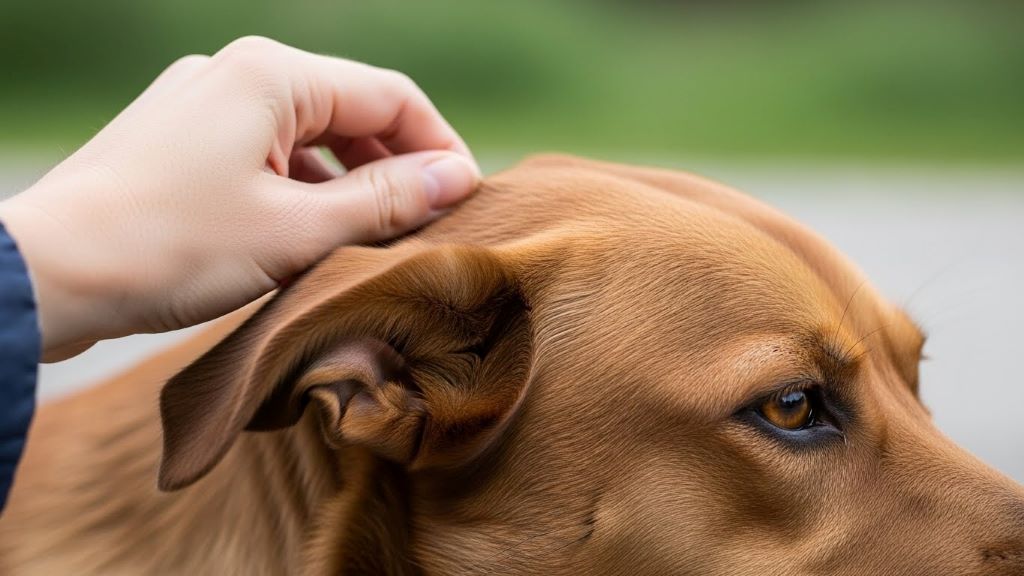
Conversely, most dogs dislike petting on top of the head, especially from strangers. This approach feels threatening because it comes from above and obscures their vision. Similarly, touching paws, tail, or muzzle often creates discomfort unless the dog is thoroughly familiar with you.
Individual Personality and Petting Preferences
Every dog has unique preferences regarding touch. Some dogs crave constant physical contact and follow their owners everywhere seeking pets. Others prefer more independence and only seek touch during specific moments or situations.
Breed characteristics influence petting preferences to some degree. Working breeds like Labrador Retrievers often seek frequent physical interaction. Meanwhile, more independent breeds like Basenjis might prefer less constant touching. However, individual personality always outweighs breed tendencies in determining specific preferences.
Early socialization experiences shape adult attitudes toward touch. Dogs who received abundant positive touch as puppies typically seek more petting as adults. Conversely, dogs with limited early handling might feel uncertain or uncomfortable with extensive touching initially.
Past trauma significantly impacts how dogs respond to petting. Rescue dogs with unknown histories might show fear or avoidance of certain types of touch. These dogs need patient, gradual introduction to petting that respects their boundaries and builds trust slowly.
The Role of Petting in Reducing Anxiety
Dogs experience anxiety from numerous sources in modern life. Loud noises, separation from owners, unfamiliar environments, and routine changes all trigger stress responses. Petting provides a reliable tool for managing these anxious feelings.
The repetitive motion of petting has inherently calming properties. This rhythmic stimulation helps regulate the nervous system and promotes relaxation. Therefore, dogs instinctively seek petting when feeling overwhelmed or frightened.
Your presence while petting adds another layer of comfort. Dogs view their trusted humans as sources of security and protection. Physical contact with you reassures dogs that they are safe despite perceived threats. This explains why dogs often press against their owners during scary situations.
Some dogs develop such strong associations between petting and calmness that touch becomes a conditioned response. These dogs have learned through experience that seeking pets reliably reduces their distress. Consequently, they turn to this strategy whenever facing stressful circumstances.
Petting and the Human-Dog Bond
Regular physical affection strengthens the relationship between dogs and their people. Each petting session reinforces mutual affection and trust. Over time, these accumulated interactions create deep emotional bonds that benefit both species.
Dogs who receive frequent, positive touch from their owners show greater attachment and loyalty. They view their humans as reliable sources of comfort and pleasure. Additionally, these dogs typically display more confident, well-adjusted behavior in various situations.
The bonding effects of petting work both directions. Humans also release oxytocin when petting dogs, creating feelings of connection and wellbeing. According to Psychology Today, this mutual chemical response explains why dog ownership provides documented mental health benefits for people.
Consistent petting rituals create predictable positive interactions that dogs anticipate eagerly. Morning greetings, evening cuddle sessions, or post-walk pets become cherished routine moments. These predictable patterns provide structure and emotional security that enhance overall quality of life.
Signs Your Dog Wants Comfort Through Petting
Dogs communicate their desire for petting through various body language signals. Learning these signs helps you respond appropriately to your dog’s needs and strengthen your communication.
Common invitation behaviors include nudging your hand with their nose, pawing at you, or placing their head in your lap. Some dogs perform play bows or wiggle their entire body while approaching. Additionally, dogs might bring a toy or simply position themselves within arm’s reach while making eye contact.
Leaning against you represents another clear signal. When dogs press their body weight into your legs or side, they seek both physical support and emotional comfort. This behavior demonstrates trust and desire for closeness.
Following you from room to room often indicates a desire for interaction and potential petting. While dogs follow for various reasons, combining this behavior with other invitation signals suggests they want physical attention.
When Dogs Seek Petting as Stress Relief
Certain situations reliably trigger increased petting-seeking behavior. Recognizing these patterns helps you provide comfort when your dog needs it most.
During thunderstorms, many dogs become extremely anxious. The combination of loud noises, atmospheric pressure changes, and bright flashes creates overwhelming sensory experiences. Dogs often seek intense physical contact during storms, sometimes trying to climb into laps or press against their owners.
Veterinary visits represent another common stress trigger. The unfamiliar smells, sounds, and handling at veterinary offices frighten many dogs. Petting before, during, and after appointments helps reduce this anxiety and makes the experience more manageable.
Changes in household routine can unsettle dogs who thrive on predictability. Moving to a new home, adding family members, or altering daily schedules might prompt increased comfort-seeking behavior. Extra petting during transition periods provides reassurance that helps dogs adjust.
The Connection Between Petting and Trust
Trust forms the foundation of comfortable physical interaction between dogs and humans. Dogs only seek and accept petting from individuals they perceive as safe and trustworthy. Building this trust requires time, consistency, and respect for boundaries.
New dogs need gradual introduction to petting. Forcing touch before establishing trust can damage the developing relationship and create lasting fear. Instead, allow dogs to approach you and initiate contact at their own pace.
Respecting when dogs do not want petting builds trust just as much as providing touch when desired. If your dog moves away, avoids eye contact, or shows other avoidance signals, honor these communications. This respect teaches dogs that you listen to their needs and prioritize their comfort.
Consistent, gentle handling creates positive associations with touch. Dogs learn through experience whether human hands bring pleasure or discomfort. Every positive petting interaction strengthens their willingness to seek future contact.
How to Pet Your Dog for Maximum Comfort
Technique matters significantly in how dogs experience petting. Thoughtful approach and execution enhance the comforting effects of physical touch.
Always allow dogs to see your hand approaching rather than reaching from behind. This visible approach prevents startling and shows respect for their awareness and control. Additionally, extending your hand for sniffing before touching demonstrates consideration for canine greeting protocols.
Use slow, steady movements rather than quick, erratic motions. Gentle, consistent strokes prove more soothing than unpredictable patting. Furthermore, maintain moderate pressure that feels substantial without being heavy or uncomfortable.
Pay attention to your dog’s responses during petting. Relaxed body posture, soft eyes, and leaning into your hand indicate enjoyment. Conversely, stiffening, looking away, or attempting to leave suggest discomfort. Adjust your approach based on these real-time feedback signals.
Conclusion
Dogs seek petting for comfort because touch triggers powerful biological responses that promote feelings of safety, happiness, and bonding. This behavior has deep evolutionary roots in canine social structures and early developmental experiences with maternal care. Through petting, you communicate affection, reduce your dog’s stress, and strengthen your relationship. Understanding where, when, and how to pet your dog maximizes these comforting effects. By responding to your dog’s requests for physical touch and respecting their preferences, you fulfill important emotional needs that contribute to their overall wellbeing and happiness.
Frequently Asked Questions
Why does my dog push into me when I pet them?
Dogs push into your hand while being petted to increase pressure and prolong the pleasant sensation. This leaning behavior also demonstrates trust and desire for closer contact. Additionally, pushing guides your hand to areas they most want touched.
Can you pet a dog too much?
Yes, excessive petting can overwhelm some dogs or interfere with necessary rest and independence. Watch for signs like moving away, yawning, or avoiding eye contact that indicate your dog needs space. Respect these signals to maintain a healthy balance.
Do all dogs enjoy being petted?
Most dogs enjoy petting from trusted people, but preferences vary significantly. Some dogs crave constant touch while others prefer minimal physical contact. Past experiences, breed tendencies, and individual personality all influence petting preferences.
Why does my dog only want pets when anxious?
Some dogs primarily seek petting during stress because they have learned that touch reduces anxiety effectively. These dogs associate petting with emotional regulation rather than casual affection. However, offering pets during calm times can broaden this association.
Where should I avoid petting my dog?
Avoid petting the top of the head, especially with unfamiliar dogs, as this feels threatening. Most dogs also dislike having their paws, tail, or muzzle touched unless they trust you completely. Start with the chest and shoulders for safest interaction.
Related Topics:
The Silent Impact of Control System Integration in Pet Food Quality Control
Unraveling the Mystery of Why Do Dogs Eat Grass