Roofing Maintenance Tips for Every Homeowner

Key Takeaways

  • Regular inspections help identify and address minor issues before they escalate into costly repairs or structural damage.
  • Keeping gutters clean prevents water damage and structural problems linked to improper drainage.
  • Trimming overhanging branches reduces the risk of roof damage from falling debris and helps maintain roof health.
  • Ensuring proper attic ventilation prevents moisture buildup, mold, and extends the life of roofing materials.
  • Professional inspections provide a comprehensive assessment of your roof’s condition, revealing hidden issues.

Regular roof maintenance is essential for every homeowner to protect one of the most critical components of a house. A well-maintained roof not only shields the home from harsh weather but also helps prevent costly repairs and extends its lifespan. Simple tasks, such as cleaning gutters, inspecting shingles, and checking for leaks, can significantly reduce the risk of damage over time. Being proactive about roof care ensures that minor issues are addressed before they escalate into significant problems, preserving both the safety and value of the home.

Partnering with a trusted roofing company for periodic inspections and repairs can provide valuable expertise that many homeowners may not have access to. Professionals can identify hidden damage, recommend appropriate maintenance, and ensure that materials are properly installed or replaced to prevent further issues. Incorporating expert guidance into routine upkeep creates a comprehensive strategy, making roof maintenance more effective and helping homeowners avoid unexpected expenses.

Regular Inspections

Regular inspections are a cornerstone of effective roof maintenance for every homeowner. By routinely checking for damaged shingles, leaks, or signs of wear, you can address minor issues before they become costly repairs. Inspections also provide an opportunity to assess how your roof interacts with other exterior elements, such as siding. Choosing durable siding options that complement your roof not only enhances your home’s curb appeal but also contributes to its overall protection against weather and moisture. Incorporating regular professional or DIY inspections into your maintenance routine ensures both your roof and siding remain in optimal condition, preserving your home’s longevity and value.

Cleaning Gutters

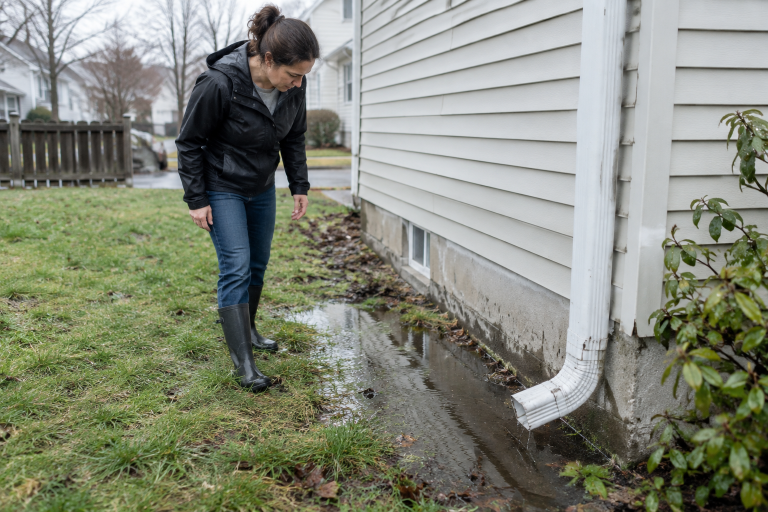
Gutters accumulate debris over time, potentially blocking rainwater flow and causing overflow, leaks, rot, and foundation problems. Clogged gutters can attract pests and should be cleaned at least twice a year, particularly after seasonal leaf fall. Regular cleaning prevents water damage, ice dams, erosion, and flooding. Properties near trees require more frequent inspections. Installing gutter guards or screens can reduce debris buildup and lower maintenance needs.

Trimming Overhanging Branches

Trees enhance your property but unchecked growth near your house poses risks. Overhanging branches, especially during storms, can break and cause damage. Falling branches and debris like leaves, seeds, and pine needles clog gutters, retain moisture, and accelerate roof deterioration. Moist environments promote moss and algae growth, damaging shingles. Regular trimming within ten feet of the roof helps prevent costly repairs, simplifies maintenance, and lowers fire and animal hazards.

Ensuring Proper Attic Ventilation

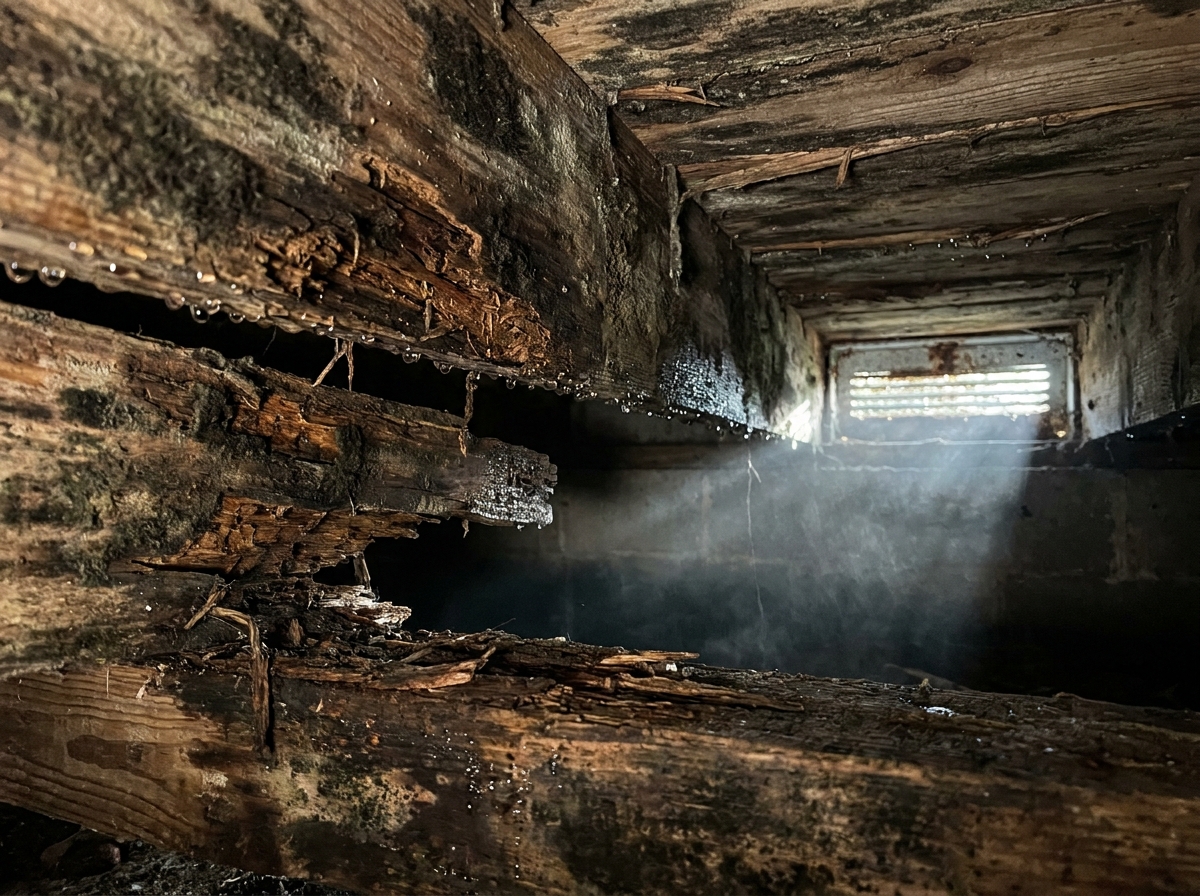
Proper attic ventilation is essential for ensuring home comfort and protecting your home’s structure. Poor airflow can trap heat, raise cooling costs, cause moisture buildup, foster mold growth, and damage the roof. It also reduces the effectiveness of insulation and raises energy bills. In colder areas, insufficient ventilation may lead to ice dams. To prevent these issues, install and routinely check intake and exhaust vents for blockages. Signs of ventilation problems include high humidity, condensation, or musty smells, which should be evaluated by a professional. Adequate ventilation helps extend the roof’s lifespan, improve indoor air quality, and lower energy use.

Scheduling Professional Inspections

Professional inspections are vital for detecting issues that homeowners might miss. Certified inspectors use specialized tools to uncover hidden problems and provide advice on prevention and repairs. Conducting annual inspections or inspections after severe weather can save money and help protect warranties, ensuring home safety year-round. Furthermore, inspection reports are important for insurance claims and resale processes.

Maintaining Roof Health for the Long Term

Regular roof maintenance—such as inspections, gutter cleaning, tree upkeep, and ensuring proper ventilation—is crucial to prevent expensive repairs and prolong the lifespan of the roofing system. Taking proactive steps enhances home safety, comfort, and value, providing homeowners with confidence in their investment and the protection it offers.

Why 24 Hour Plumber Crews Are Vital During Storm Flooding

Rain can turn from an inconvenience to an emergency within minutes, especially during severe storms. Streets overflow, drains clog, and homes quickly become vulnerable to water damage. This is exactly where a 24 hour plumber steps in, providing fast plumbing service that protects families and property when flooding strikes.

Emergency Readiness Moves with HVAC Near Me Providers

Weather changes quickly in Tennessee—sunny one day, storm warnings the next. Preparing your HVAC system ahead of time isn’t just smart, it’s a lifeline. Knowing how to partner with local HVAC experts before an emergency makes all the difference when systems are pushed to their limit.

Immediate HVAC Diagnostics Before Severe Weather Hits

A fast system check right before extreme weather rolls in can stop big problems in their tracks. HVAC near me providers often offer pre-storm diagnostics that inspect the smallest details: refrigerant levels, fan motors, electrical connections, and thermostat calibration. These spot checks might reveal a part running hot, a filter clogging up, or a capacitor on its last legs—all of which could collapse during a storm.

With Lebanon TN HVAC specialists on your side, emergency breakdowns can often be avoided altogether. Getting these diagnostics done early means you’re not scrambling mid-storm to stay warm or cool. For families, seniors, or folks working from home, that kind of preparedness provides serious peace of mind.

Standby Generator Integration for Continuous Climate Control

Storms don’t just knock out lights—they cut heating and cooling too. Pairing your HVAC system with a standby generator is one of the smartest emergency moves you can make. Local HVAC Lebanon TN providers can help set up seamless integrations that ensure the moment power flickers out, your comfort stays steady.

That level of coordination is especially valuable for homes with infants, elderly residents, or medical equipment. Without climate control, indoor conditions can get unsafe fast. Working with Lebanon TN HVAC technicians ensures that not only your generator is ready, but your HVAC unit knows how to respond when it kicks on—no hitches, no delays, just uninterrupted air.

On‑Call Filter Replacements to Maintain Airflow in Emergencies

During an emergency, airflow becomes more than a comfort—it’s essential. Dirty filters are often the culprit when systems suddenly freeze up or shut down. Local HVAC near me services can provide fast, on-call filter replacements that restore circulation before a full system failure happens.

Staying stocked with the right filters and knowing who to call when they need changing is a game-changer. Whether it’s a heat wave or a freeze warning, your HVAC can’t breathe through a clogged filter. These simple replacements protect your system’s efficiency and keep your indoor air quality safe when you need it most.

Backup Thermostat Configurations Ensuring System Redundancy

If your primary thermostat fails, your HVAC system is in the dark. That’s why HVAC Lebanon TN experts recommend having a backup thermostat ready to go. These secondary setups can be pre-programmed and installed to kick in when the main unit loses connection or power.

This kind of redundancy might seem like overkill—until a summer power surge fries your digital controls or a winter freeze kills the battery. With backup thermostats configured by Lebanon TN HVAC teams, you can avoid long periods without heat or AC and keep your home safe, even under extreme conditions.

Priority Access to Parts and Technicians During Peak Demand

One of the biggest frustrations during a widespread weather emergency is waiting. Lebanon TN HVAC professionals often give their regular maintenance clients priority access to parts and on-call technicians. That can mean the difference between hours and days without heating or cooling.

HVAC near me providers sometimes stock emergency parts just for their local service areas. So instead of hunting down a capacitor online or waiting for a warehouse to ship a motor, you get what you need faster. That kind of access isn’t something you think about—until it becomes the only thing that matters.

Scheduled System Stress Tests to Avoid Mid‑Season Breakdowns

Your HVAC system looks fine—until it doesn’t. Scheduled stress tests simulate extreme weather conditions to see how your system holds up under pressure. Local Lebanon TN HVAC pros can run these checks before each season, pushing your unit safely to test endurance, airflow, and recovery times.

Catching problems during these stress tests is like finding a worn tire before a road trip. You’re not left guessing whether your unit can handle the next cold snap or heatwave. These proactive tests reveal hidden weaknesses and give you time to fix them before they turn into emergency repair calls.

Emergency Ductwork Inspections Preventing System Failures

Ductwork is often the quiet culprit behind HVAC struggles. Leaks, blockages, or separated joints in the duct system force your unit to work harder, especially during weather extremes. Emergency ductwork inspections can catch problems that aren’t visible from the vents or thermostat screen.

Lebanon TN HVAC technicians use special tools to check for pressure drops, debris, and insulation breakdown. Fixing duct issues early means your system can deliver consistent airflow throughout the house, instead of fighting hidden airflow gaps. That kind of behind-the-scenes maintenance keeps homes safer—and more comfortable—when outside conditions aren’t.

Top Signs Your Deck Needs a Professional Cleaning

Introduction to Deck Care

Your deck is the perfect outdoor spot for relaxing and entertaining. However, exposure to the elements can take its toll, leading to various issues that signal it’s time for a deck cleaning. Identifying these signs early can prevent long-term damage and save on costly repairs.

Persistent Stains and Discoloration

Unwanted stains are more than just an eyesore. They can indicate deep-seated dirt and grime that simple washing may not remove. Stains from grease, leaves, or mildew can discolor the wood and affect the deck’s structural integrity. If stains persist despite regular cleaning, consider a professional service to restore your deck’s natural beauty.

Mold and Mildew Growth

Mold and mildew not only mar the appearance of your deck but can also lead to health issues and faster deterioration of the wood. They grow well in damp conditions and, if left unchecked, can spread swiftly. An expert cleaning can eradicate these fungi and apply treatments to prevent their return.

Slippery Surface

A slick deck poses a safety risk, particularly in wet weather or when debris is on it. The growth of algae or accumulated dirt might result in a slippery and dangerous surface. Professional cleaning removes these elements, ensuring a safer environment for you and your family.

Fading and Weathering

Constant exposure to sunlight and rain can fade your deck’s color and wear down its surface. This weathering process is a sign that the wood fibers are breaking down. Expert cleaners can rejuvenate the appearance of your deck by removing the aged surface layers and applying sealants for protection against UV rays and moisture damage.

Preparing other elements, like your home’s siding, can also protect against the elements. Regular siding washing enhances your home’s overall resistance to weather-related damage. Together, these maintenance steps extend the life of your outdoor spaces and preserve your home’s value.

Insect and Pest Issues

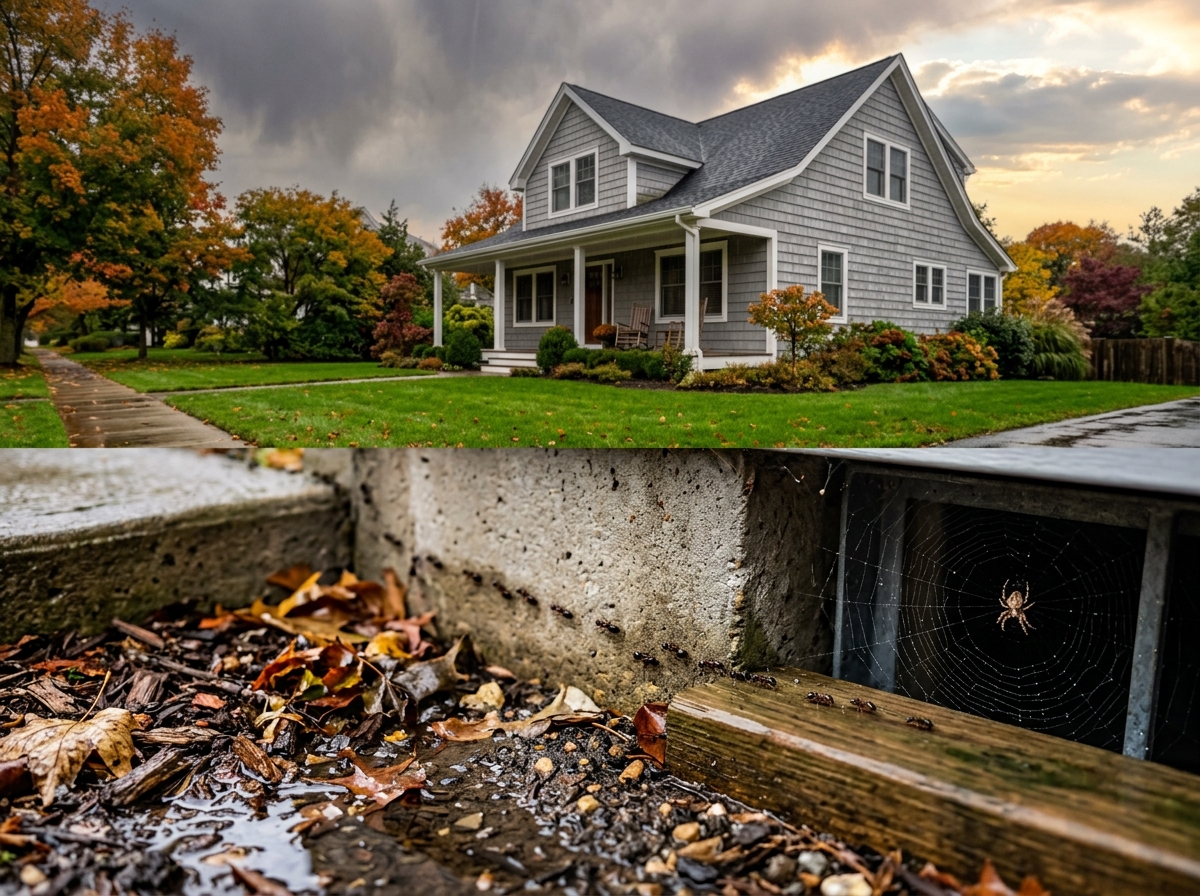
A neglected deck can become a haven for pests such as termites and ants, harming the structure. These pests are often attracted to moisture and decaying wood. Infestations and serious structural damage can be avoided by identifying and treating pest-prone locations with regular expert cleaning.

Unpleasant Odors

Mold, mildew, or rotting material can cause unpleasant smells from your deck. These odors often indicate underlying issues that could compromise your deck’s integrity. Professional cleaning removes these odors and addresses the root causes, ensuring your deck is fresh and inviting.

Cleaning Before Seasonal Change

Seasonal transitions are critical times for maintenance. A clean deck is better equipped to withstand these changes. Whether you’re preparing for the winter chill or the blistering heat of summer, professional cleaning services tailor their methods to suit each season, offering specialized treatments to protect your investment.

Expanding Your Outdoor Space: Creative Deck Design Ideas for a Refreshing Retreat at Home

Key Takeaways:

Designing a deck involves creative inspiration and practical considerations for an inviting outdoor space. Explore innovative design elements like curves and multi-levels to enhance the flow and functionality of your deck. Weigh material options carefully, balancing aesthetics, durability, and maintenance needs, while integrating eco-friendly practices to minimize environmental impact. Introduce multi-functional features to adapt to various uses, from alfresco dining to intimate gatherings. Budgeting conscientiously ensures that your deck project remains accessible without compromising quality and style. Lastly, plan for diverse weather conditions to ensure year-round enjoyment, making your deck a cherished extension of your home.

Introduction

As homeowners increasingly seek to enhance their living spaces, outdoor areas like decks have become valuable extensions of the home. A creatively designed deck adds aesthetic value and provides a versatile space for relaxation, entertainment, and family gatherings. This article presents inspiring ideas and considerations for designing a deck that transforms an ordinary backyard into a captivating retreat. By focusing on essential aspects such as design creativity, materials, functionality, eco-friendly practices, budgeting, and seasonal considerations, homeowners can create a deck that meets their needs and enhances their overall living experience.

Creative Design Ideas

The first step in expanding your outdoor space is to explore creative design ideas for deck construction. This involves thinking beyond the traditional rectangular platform and experimenting with shapes, levels, and integrated features. Consider adding curves to your deck to create visual interest and a more organic flow. Multi-level decks can provide distinct lounging, dining, and cooking areas, offering a dynamic use of space. Integrated planters and benches can add greenery and functionality, while built-in lighting enhances ambiance during evening gatherings. Blending innovative design elements with personal preferences allows homeowners to craft a unique and inviting outdoor haven.

Material Selection

Choosing the right materials for your deck is crucial to its durability, aesthetics, and maintenance needs. The decision often comes down to wood versus composite materials. Wood, an ever-popular choice, exudes a timeless charm but requires regular maintenance to prevent rot and decay. On the other hand, composite materials, which combine wood fibers and plastics, offer superior durability and lower upkeep. When selecting materials, consider the climatic conditions of your location, the desired look, and your maintenance preferences. The decision on the right flooring can significantly impact your deck’s longevity and visual appeal. Be sure to use materials that align with sustainable practices, as eco-friendliness is a growing priority for many homeowners today.

Multi-Functional Features

A well-designed deck can serve multiple purposes, making it a valuable addition to your home. By introducing multi-functional features, you can maximize the utility of your outdoor space. Incorporate an outdoor kitchen with a grill and counter space to make alfresco dining a breeze. A built-in fire pit or fireplace can create a cozy ambiance, extending the usability of your deck into the cooler months. Consider installing retractable awnings or pergolas to provide shade and protection from the elements. Thoughtful incorporation of features like built-in seating, storage, and lighting ensures that your deck meets a variety of needs, from hosting large gatherings to relaxing solo with a book.

Eco-Friendly Practices

In construction, sustainable design techniques are becoming more and more significant, and your deck project is no different. Incorporating eco-friendly practices can reduce environmental impact while enhancing your deck’s sustainability. Use materials that are sourced responsibly, like certified wood or recycled composites, to reduce waste and deforestation. Implement energy-efficient lighting solutions, such as LED fixtures or solar-powered lights, to conserve energy and reduce costs. Additionally, consider integrating rainwater harvesting systems or drought-resistant plants in surrounding landscaping to complement an eco-conscious deck design. These practices contribute to the planet’s health and align with the growing preferences of environmentally aware homeowners.

Budget Considerations

A thoughtfully planned budget is essential for any successful deck project. Begin by setting a clear financial limit and prioritizing features that align with your goals. High-end materials and intricate designs can elevate your deck, but may cost a premium. Conversely, opting for simpler designs and economical materials can keep expenses manageable while still achieving aesthetic and functional objectives. Explore cost-saving strategies such as phased construction, building your deck in stages over time, or incorporating DIY projects for elements like seating or planters. By balancing aspirations with financial constraints, you can achieve a beautiful and practical deck within your means.

Seasonal Planning and Weather Considerations

Planning for all seasons is crucial to ensure that your deck remains a year-round retreat. Consider the climate in your area and how it affects your deck’s usability. For hot, sunny regions, shade structures like pergolas or retractable awnings provide relief from the sun’s intensity. Waterproof decking materials and drainage systems prevent water accumulation and extend your deck’s lifespan in areas prone to rain. Incorporating outdoor heaters or fire features can keep your deck comfortable during cooler months, allowing for continued enjoyment regardless of the season. With strategic design and material choices, your deck can offer comfort and utility throughout the year, making it an invaluable asset to your home.

Conclusion

Expanding your outdoor space with a creatively designed deck offers endless possibilities for enhancing comfort, aesthetics, and functionality. You can create a personalized retreat that meets your lifestyle by exploring innovative design ideas, selecting appropriate materials, and incorporating multi-functional features. Emphasizing eco-friendly practices not only supports sustainability but also aligns with modern values and enhances the appeal of your home. Careful budgeting and seasonal planning ensure that your deck remains an enduring and cherished feature, capable of adapting to various weather conditions and activities. With these considerations, homeowners can transform their backyards into inviting havens for relaxation, entertainment, and connection with nature.

Reclaim Your Space: The Ultimate Guide to DIY Garage Storage

The garage. For many of us, it’s less of a place to park our cars and more of a Bermuda Triangle for tools, sporting equipment, holiday decorations, and anything else that doesn’t have a designated spot inside the house. It’s a chaotic landscape of leaning shovels, mysterious boxes, and forgotten projects. But what if your garage could be an organized, functional space where everything has its place?

The good news is, you don’t need to spend a fortune on expensive modular systems to achieve garage glory. With a little planning, some basic tools, and a willingness to get your hands dirty, you can create custom DIY garage storage solutions that perfectly fit your needs and budget. This guide will walk you through the process, from tackling the initial clutter to building practical, space-saving storage.

The Art of Energy-Efficient Air Conditioning Installation

Key Takeaways

  • Learn how to achieve a cooler home without excessive energy costs.
  • Discover the advantages of professional air conditioning installation for efficiency.
  • Explore innovative techniques to maximize air conditioning performance.

In the modern age of climate awareness, achieving a comfortable and eco-friendly home is a top priority. If you’re contemplating air conditioning installation, consider prioritizing energy efficiency. This approach enhances comfort by maintaining optimal temperatures and significantly decreases energy bills, making it a win-win for both homeowners and the environment. By embracing the benefits of efficient air conditioning systems and exploring innovative installation techniques, you can reshape your home into a model of sustainable living without compromising on comfort.

Why Energy Efficiency Matters in Air Conditioning

With energy prices increasing and environmental issues at the forefront, the quest for energy-efficient solutions in every aspect of everyday life has gained momentum. Air conditioning, a significant factor in household energy use, is no exception. By opting for more efficient systems, homeowners can reduce their carbon footprint significantly while also benefiting from lower utility costs. The innovation of energy efficiency standards, such as those set by the government and environmental organizations, plays a critical role in ensuring that these systems consume less power.

Understanding the Basics of Air Conditioning Installation

The journey to achieving an energy-efficient home begins with the basics of air conditioning installation. This process involves more than just setting up equipment; it necessitates a strategic approach to make sure that every component functions optimally. The placement of air conditioning units, the sizing of the system to match the specific needs of a household, and the design of ductwork all contribute to the system’s overall effectiveness. Professionals play a fundamental role in the installation process, bringing technical knowledge that assures systems work seamlessly and last longer. Skilled installation enhances energy efficiency and ensures that the system remains quiet and effective, maintaining a peaceful home environment.

Choosing the Right System for Your Home

Selecting the ideal air conditioning system involves weighing multiple factors, such as local climate conditions, the size and layout of your home, and budgetary considerations. Each type of system—whether it’s a central air unit for comprehensive cooling, ductless mini-splits for room-specific temperature control, or portable units for cost-effective mobility—offers unique advantages. Innovative technologies, such as smart thermostats, enable heightened control over energy usage, adapting cooling patterns to the rhythm of daily life. These intelligent systems learn homeowner preferences over time, significantly optimizing comfort and reducing energy consumption. They maintain the delicate balance between energy consumption and system performance, thereby contributing positively to our planet’s well-being, as discussed in the importance of Energy Ratings.

The Role of Regular Maintenance

Regular maintenance is pivotal in guaranteeing that an air conditioning system remains efficient throughout its lifespan. Performing routine tasks such as replacing air filters, cleaning coils, and checking refrigerant levels can dramatically improve a system’s performance. These steps not only prolong the life of the equipment but also maintain energy efficiency, which translates into lower energy bills and a lesser carbon footprint. By keeping a system in pristine condition, homeowners contribute to environmental preservation efforts while enjoying the financial benefits of decreased operational costs.

Smart Thermostats: A Game Changer for Home Cooling

The arrival of smart thermostats represents a significant advancement in home cooling technology, allowing homeowners unprecedented control over their environment. These devices offer a range of capabilities, including remote access, automated scheduling, and real-time energy usage insights. Smart thermostats not only adapt to a user’s routine, thereby optimizing energy use, but also integrate with broader smart home systems for a cohesive technological experience. Their widespread adoption is reshaping how energy is consumed in residential spaces, as highlighted by the effect of smart home technology on energy usage reduction.

Innovative Installation Practices for Enhanced Efficiency

Emerging installation techniques are dramatically improving the efficiency and performance of air conditioning systems. Employing zoning systems allows homeowners to target specific areas of the house for cooling, which significantly cuts down on unnecessary energy expenditure. Inverter technology, which adjusts motor speed to meet cooling demands precisely, is another leap forward. This innovation minimizes energy consumption while maintaining consistent comfort, leading to a notable reduction in power use. Around the globe, these advanced practices are being implemented with great success, showcasing the positive impact of embracing new technology.

Tackling Common Air Conditioning Issues

A well-maintained air conditioning system is less likely to encounter issues, but problems can still occur. Early detection and resolution of common issues, such as refrigerant leaks or faulty components, are crucial to preventing system inefficiencies. Proactively managing these challenges through regular maintenance and professional inspections ensures continuous maximum performance. When DIY solutions fall short, turning to professionals can save both time and resources, proving invaluable in extending the life and efficiency of your air conditioning system.

Looking Forward: The Future of Air Conditioning Technology

The future of air conditioning technology is bright, with innovations poised to redefine home cooling. Technologies such as geothermal cooling, which leverages the Earth’s natural temperature regulation, and eco-friendly refrigerants that reduce environmental impact, are paving the way for greener solutions. These advancements promise to enhance sustainability and conservation efforts without compromising on performance, representing a significant stride towards a more responsible and comfortable way of living. As the industry continues to evolve, embracing these innovations will be key to nurturing a sustainable lifestyle.

From Septic to Sewer: A Comprehensive Guide to Modern Wastewater Solutions

Introduction to Wastewater Systems

In the journey of wastewater management, there’s a streamlining evolution that aims for efficiency and sustainability. Whether it’s for households or entire communities, managing waste plays a pivotal role in urban planning and rural living. Traditionally, septic systems have provided a self-contained solution without the need for extensive infrastructure. However, the shift towards centralized septic to sewer engineering offers a glimpse into modern solutions fostering environmental sustainability and health standards.