How to Select Sandproof Beach Bags for a Mess-Free Trip

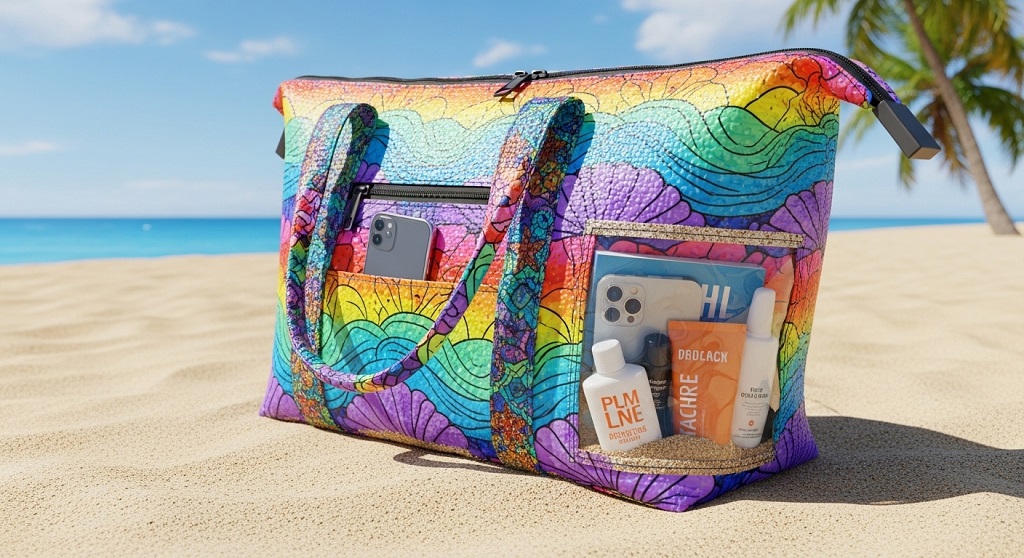
Sandproof beach bags are specially designed bags made with mesh panels, tight-weave synthetic fabrics, or water-resistant materials that prevent sand from collecting inside. They help keep towels, phones, snacks, and clothes clean during beach trips. Choosing the right sandproof beach bag reduces cleanup time, protects valuables, and improves comfort while traveling outdoors.

A typical beach trip sounds relaxing until sand ends up everywhere—inside your towel, phone pouch, snacks, and even your car seat. Many travelers underestimate how much time they spend cleaning afterward. A well-designed sandproof beach bag solves this problem before it starts.

According to outdoor travel gear surveys published by recreational product retailers in 2023, over 64% of beachgoers reported frustration with sand contamination in bags after visits to coastal areas. The right bag prevents this issue using breathable mesh drainage panels, structured compartments, and durable synthetic fibers.

This guide explains how to select the best sandproof beach bags, what features actually matter, and how to avoid common buying mistakes—so your next beach trip stays simple and mess-free.

What Are Sandproof Beach Bags and How Do They Work?

Sandproof beach bags are bags made with mesh or sand-resistant fabric that allows sand to fall out instead of collecting inside.

Unlike standard tote bags, these bags use specialized construction techniques. The most common include:

  • Open-weave mesh bottoms that release trapped sand
  • Tight synthetic fibers that prevent sand penetration
  • Water-resistant interiors for wet gear separation
  • Reinforced seams for carrying heavy loads

Traditional cotton bags trap sand because their fibers hold small particles. Sandproof beach bags solve this by reducing surface friction and allowing gravity to remove debris naturally.

Many designs also include drainage holes. These are useful when storing wet swimsuits or rinsing equipment after swimming.

The result is less cleaning at home and fewer damaged belongings.
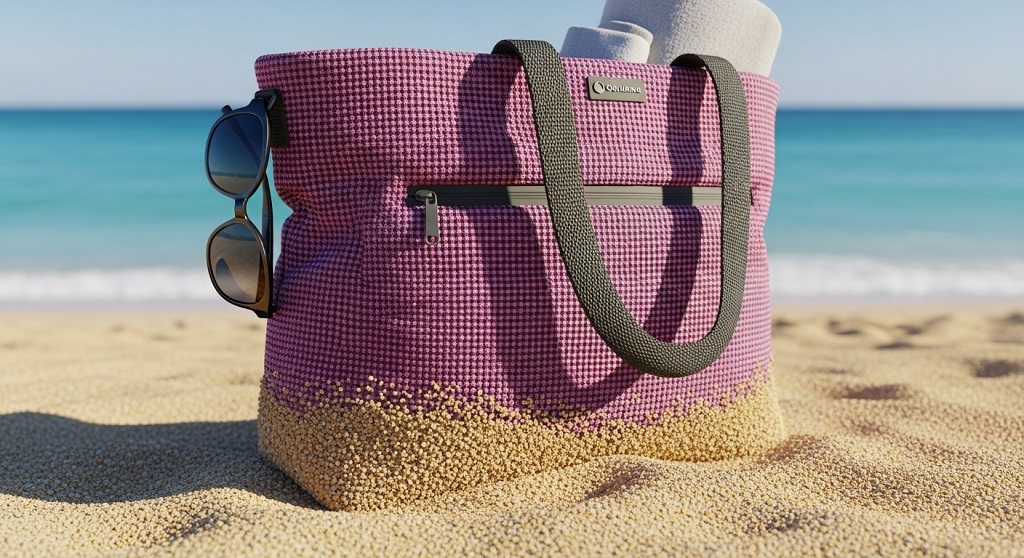
Family packing towels into waterproof sandproof beach bag

Why Should You Choose a Sandproof Beach Bag Instead of a Regular Tote?

Sandproof beach bags prevent sand buildup, protect electronics, and make packing easier during beach trips.

A regular tote may seem sufficient, but it creates three common problems:

  • Sand collects inside corners and seams
  • Moisture spreads between compartments
  • Cleaning takes extra time after returning home

These problems increase with longer trips or family outings.

A 2022 coastal recreation study by marine tourism planners found families spend an average of 18 minutes cleaning beach equipment after each trip. Sand-resistant storage reduced this time by nearly 40%.

Choosing a dedicated sandproof beach bag helps:

  • Keep snacks clean
  • Protect electronics from abrasion
  • Separate wet and dry gear
  • Reduce post-trip cleanup

What Materials Make the Best Sandproof Beach Bags?

The best sandproof beach bags use mesh polyester, nylon blends, or EVA-coated fabrics because they resist sand retention and dry quickly.

Material selection directly affects performance.

Mesh Polyester

This is the most common sand-release material. It allows airflow and drains water easily.

Ripstop Nylon

Ripstop nylon prevents tearing while keeping sand from sticking between fibers.

EVA-Coated Fabric

This waterproof material protects valuables and prevents moisture transfer.

PVC-Lined Interiors

Used in premium bags for storing wet swimsuits separately.

Each material serves a purpose. The best sandproof beach bags combine at least two.

Which Size Sandproof Beach Bag Is Best for Your Trip?

The ideal sandproof beach bag size depends on how many people you pack for and how much equipment you carry.

Choosing the wrong size creates unnecessary inconvenience.

Trip Type Recommended Capacity
Solo traveler 15–20 liters
Couple trip 20–30 liters
Family outing 30–50 liters
Full-day beach activity 50+ liters

Larger bags often include reinforced handles and multiple compartments for stability.

What Features Should You Look for in Sandproof Beach Bags?

The most important features include mesh drainage panels, waterproof pockets, reinforced handles, and multiple compartments.

Not every feature improves performance. Focus on practical benefits.

  • Mesh base panels release sand quickly
  • Internal waterproof pouch protects electronics
  • Zipper closure prevents spills
  • Wide shoulder straps improve comfort
  • Foldable structure saves storage space

Premium models often include insulated sections for drinks.

Are Mesh Beach Bags Better Than Fabric Sandproof Bags?

Mesh beach bags release sand faster, while fabric sandproof bags provide better protection for valuables.

Both options work well depending on your needs.

Feature Mesh Bags Fabric Bags
Sand release Excellent Moderate
Water resistance Low High
Durability Medium High
Electronics protection Low High

Many travelers prefer hybrid designs combining both materials.

How Do Compartments Improve Sandproof Beach Bag Performance?

Compartments separate wet items, prevent sand transfer, and protect valuables from damage.

A single large compartment allows sand to spread across everything inside.

Multi-pocket systems help organize:

  • Sunscreen
  • Phones
  • Towels
  • Snacks
  • Wet swimwear

This reduces cleanup time and prevents moisture exposure.

Are Waterproof Sections Necessary in Sandproof Beach Bags?

Waterproof compartments protect electronics and prevent wet clothing from soaking other belongings.

Even sandproof bags can allow moisture spread if not properly designed.

Look for:

  • Sealed zipper pockets
  • PVC lining
  • Roll-top closures

These features improve durability during extended trips.

How Durable Should Sandproof Beach Bags Be?

A good sandproof beach bag should support at least 10–15 kg of weight without tearing.

Durability depends on stitching strength and handle design.

Reinforced stitching improves lifespan significantly.

Outdoor product testing reports show double-stitched handles increase carrying capacity by nearly 35% compared to single-layer stitching.

What Makes a Sandproof Beach Bag Easy to Clean?

The easiest sandproof beach bags to clean use mesh panels or smooth synthetic interiors that allow quick rinsing.

Cleaning convenience matters after repeated use.

Choose bags that:

  • Rinse under tap water easily
  • Dry within 30 minutes
  • Do not trap sand inside seams

This prevents long-term odor buildup.

Can Sandproof Beach Bags Protect Electronics?

Yes, sandproof beach bags protect electronics when they include sealed internal pockets and structured compartments.

Sand particles can scratch phone screens and camera lenses.

Look for padded inner sleeves if carrying:

  • Tablets
  • Power banks
  • Bluetooth speakers

These reduce impact damage during transport.

Are Lightweight Sandproof Beach Bags Better for Travel?

Lightweight sandproof beach bags improve portability without reducing storage capacity.

Weight matters when walking long distances on sand.

Ideal empty bag weight:

  • Under 700 grams for solo travel
  • Under 1.2 kg for family trips

Foldable designs also fit easily into suitcases.

What Mistakes Should You Avoid When Buying Sandproof Beach Bags?

Avoid choosing bags without mesh drainage, waterproof pockets, or reinforced handles.

Common mistakes include:

  • Buying cotton tote bags labeled as beach bags
  • Ignoring compartment layout
  • Choosing oversized bags without structure
  • Skipping zipper closures

These reduce usability during real beach conditions.

How Do Sandproof Beach Bags Improve Travel Efficiency?

Sandproof beach bags reduce cleanup time, protect gear, and improve packing organization during outdoor trips.

Travel efficiency increases when fewer items need cleaning afterward.

Field observations from coastal gear rental operators show customers using mesh-bottom bags returned equipment with 50% less sand contamination compared to standard totes.

This improves comfort and saves time after travel.

Conclusion: How Do You Choose the Right Sandproof Beach Bag for a Mess-Free Trip?

The right sandproof beach bags simplify beach travel by preventing sand buildup, protecting valuables, and improving organization. Instead of dealing with hidden sand in your car or home later, you solve the problem before it starts.

Focus on practical features first. Choose mesh drainage panels. Add waterproof compartments. Check stitching strength. Select the correct size for your trip type.

These decisions directly affect comfort and convenience.

If you want fewer cleanup problems and better protection for your gear, upgrading to a well-designed sandproof beach bag is one of the simplest improvements you can make before your next beach trip.

Start comparing durable sandproof beach bags today and make your next trip cleaner, faster, and more organized.

Frequently Asked Questions About Sandproof Beach Bags

Do sandproof beach bags really prevent sand completely?

Sandproof beach bags reduce sand accumulation significantly but may not eliminate it entirely. Mesh panels and synthetic materials allow most particles to fall through instead of collecting inside.

Are sandproof beach bags machine washable?

Many sandproof beach bags made from polyester or nylon blends are machine washable. Always check manufacturer instructions before washing.

Can sandproof beach bags carry wet towels?

Yes. Most designs include drainage panels or waterproof compartments that separate wet towels from dry items.

Are mesh beach bags strong enough for family trips?

High-quality mesh beach bags with reinforced stitching can support 10–15 kg, making them suitable for family outings.

Do sandproof beach bags work for pool trips too?

Yes. They are effective for pool use because they allow water drainage and prevent moisture buildup inside the bag.

How long do sandproof beach bags usually last?

With regular use, durable sandproof beach bags typically last 2–4 years depending on material quality and load weight.

Are foldable sandproof beach bags reliable?

Foldable models are reliable when made from reinforced nylon or polyester and designed with structured stitching.

Read More Also: How to Buy Budget Gift Gadgets Without Compromising Quality
Discover More: How First-Time Homebuyers Can Succeed in a Competitive Real Estate Market

How to Use Brazilian Historical Fashion as Inspiration for Modern Designers

Brazilian fashion history offers a treasure trove of inspiration for contemporary designers. The rich cultural tapestry of Brazil combines indigenous traditions, Portuguese colonial influences, African heritage, and tropical aesthetics. Modern designers can draw from these diverse elements to create unique, culturally resonant collections. This article explores practical ways to incorporate Brazilian historical fashion into modern design work.

Best Fabric for Heat Rash Prevention: Your Guide to Comfortable Summer Clothing

Heat rash affects millions of people during warm weather months. This uncomfortable skin condition occurs when sweat ducts become blocked, leading to red bumps and irritation. However, choosing the right clothing materials can significantly reduce your risk of developing heat rash. Dress 24h offers valuable insights into selecting appropriate fabrics that keep your skin cool and comfortable throughout the summer season.

How to Dress Fashionably as a Man

Dressing fashionably as a man is about more than following trends—it’s about creating a personal style that reflects your personality, suits your lifestyle, and makes you feel confident. Whether you’re revamping your wardrobe or just looking to refine your look, this guide provides actionable tips to help you dress stylishly and effortlessly.

Understand the Basics of Fit

The cornerstone of good style is fit. Clothes that fit properly can make even a simple outfit look polished.

Shirts and Tops: Ensure they fit snugly around the shoulders and chest without being too tight. Sleeves should end at your wrist bone.
Pants: Avoid overly baggy or excessively skinny cuts. Aim for a slim or tailored fit that complements your body shape.
Jackets and Blazers: Look for a tailored fit, with the shoulder seams aligned to your shoulders and the hem hitting just below your hips.
Pro Tip: When in doubt, visit a tailor. A well-tailored outfit instantly elevates your look.

Build a Versatile Wardrobe

Invest in essential pieces that form the foundation of a stylish wardrobe.

Staple Items:

Crisp white and light blue shirts.
Well-fitted dark denim jeans.
A classic navy blazer.
Neutral-colored chinos (beige, grey, navy).
A high-quality leather jacket.
A pair of tailored suits (navy or charcoal).

Shoes:

A pair of versatile white sneakers.
Brown and black leather dress shoes.
Loafers or Chelsea boots for semi-formal occasions.

Outerwear:

A trench coat for rainy days.
A wool overcoat for winter.
A lightweight bomber or denim jacket for casual outfits.

Master the Art of Layering

Layering adds depth and style to your outfit. It’s functional and fashionable:

Combine a shirt, sweater, and blazer for a smart-casual look.
Pair a T-shirt with an open-buttoned flannel or denim jacket for laid-back style.
Use accessories like scarves or hats to add personality to your layers.

Play with Colors and Patterns

While neutrals like black, white, grey, and navy are wardrobe staples, don’t shy away from adding some color and patterns:

Colors: Add pops of color with pastel shirts, bold ties, or bright socks.
Patterns: Experiment with stripes, checks, and subtle prints. Start with one patterned piece per outfit to avoid overwhelming your look.

Accessorize Smartly

Accessories are the finishing touches that elevate your outfit.

Watches: A classic watch is a timeless addition to any outfit.
Belts: Match your belt with your shoes for a cohesive look.
Pocket Squares and Ties: Perfect for adding sophistication to formal attire.
Jewelry: Minimalistic bracelets or rings can add a modern touch.
Sunglasses: Choose frames that suit your face shape for effortless style.

Understand Dress Codes

Dressing fashionably also means dressing appropriately for the occasion.

Casual: Jeans, chinos, T-shirts, and sneakers.
Business Casual: A blazer, chinos, and loafers or dress shoes.
Formal: A tailored suit with a tie, polished dress shoes, and minimal accessories.
Pay attention to the setting and adapt your outfit to blend style with the required level of formality.

Prioritize Grooming and Hygiene

Even the most stylish outfit will fall flat without proper grooming.

Hair: Keep your hairstyle neat and updated.
Beard: Trim or shape your facial hair regularly.
Skin: Maintain clear and healthy skin with a good skincare routine.
Clothes: Ensure your clothes are clean, wrinkle-free, and smell fresh.

Keep Up with Trends Thoughtfully

While staying updated with fashion trends is beneficial, avoid chasing every new style. Instead:

Incorporate one or two trendy pieces into your existing wardrobe.
Stick to classic styles that withstand the test of time, like a well-fitted blazer or leather shoes.

Know When to Invest

Invest in quality over quantity for key pieces:

Spend more on items like suits, shoes, and coats that you’ll wear frequently.
Save on trendier pieces or seasonal items that may go out of style quickly.

Confidence is Key

The most fashionable outfit is one that you wear with confidence. Stand tall, smile, and own your style. Feeling good in your clothes is the ultimate indicator of success.

FAQs

What are the must-have wardrobe essentials for men?

A crisp white shirt, well-fitted dark jeans, a navy blazer, neutral chinos, a leather jacket, and a pair of versatile white sneakers are staples for any stylish wardrobe.

How can I make my outfits look more stylish?

Focus on proper fit, add accessories like a classic watch or a sleek belt, and experiment with layering. Incorporate colors and patterns thoughtfully to elevate your look.

How do I stay fashionable while keeping up with trends?

Incorporate one or two trendy pieces into your classic wardrobe. Prioritize timeless styles and invest in quality staples that never go out of fashion.

Final Thoughts

Dressing fashionably as a man doesn’t require a complete overhaul of your wardrobe. By focusing on fit, building versatile essentials, and paying attention to the details, you can create a timeless and stylish look that suits you. Remember, fashion is about expressing your personality, so let your unique style shine through!

How to Shrink Clothes in the Wash: A Guide to Getting the Perfect Fit

Whether you have a favorite shirt that’s a bit too loose or a pair of jeans that you’d love to fit a little tighter, knowing how to shrink clothes in the wash can be incredibly useful. Shrinking clothes is an easy way to adjust the fit without a trip to the tailor. This guide will help you understand the best methods for shrinking different types of fabrics effectively and safely.

Understanding Fabric Types: Not All Fabrics Shrink the Same Way

Before attempting to shrink any clothing item, it’s essential to know what fabric you’re working with. Different fabrics respond differently to heat, water, and agitation, which are the primary shrinking agents in the wash.

Cotton: One of the easiest fabrics to shrink, cotton fibers contract significantly with heat and agitation.
Wool: Wool can shrink easily, but it requires careful handling to avoid damaging the texture.
Denim: Known for its thick fibers, denim can also shrink, but it may need more intense washing and drying.
Polyester and Synthetics: Synthetic fabrics are generally resistant to shrinking because of their plastic-like structure. They may only shrink slightly with high heat.

Step-by-Step Guide: How to Shrink Clothes in the Wash

Here’s a simple guide for shrinking clothes of different fabrics, focusing on the washing and drying process to help you achieve the best results.

Method 1: Shrinking Cotton Clothing

Cotton is very responsive to hot water and high heat drying, making it one of the easiest fabrics to shrink.

Instructions:

Wash in Hot Water: Place the cotton item in the washing machine and set it to a hot water cycle. High temperatures cause the cotton fibers to contract, leading to shrinkage.

Agitate for Extra Shrinking: For a tighter shrink, add a few towels to the load. This creates more friction and agitation, enhancing the shrinking effect.

High Heat Drying: Transfer the item to the dryer and set it to the highest heat setting. Drying on high heat completes the shrinkage process, giving you a more snug fit.

Check for Fit: If the item hasn’t shrunk to your desired size, repeat the process. Be cautious, however, as repeated high-heat washing can weaken cotton fibers over time.

Method 2: Shrinking Wool Garments

Wool requires a delicate touch since too much heat or agitation can make the fabric felted and rough. Here’s the best way to shrink wool while preserving its texture.

Instructions:

Hand-Wash in Warm Water: Fill a sink or basin with warm (not hot) water and a small amount of mild detergent. Submerge the wool garment, allowing it to soak for about 10 minutes.

Gently Agitate: Lightly squeeze and agitate the wool in the water. This will encourage the fibers to contract without causing felting.

Dry Carefully: Lay the wool item flat on a towel and gently shape it to the desired size. Avoid using a dryer, as it can damage the texture. If you need more shrinkage, use low heat for a few minutes only, checking frequently.

Repeat as Needed: Wool typically needs multiple attempts for noticeable shrinkage, so you may need to repeat the process for optimal results.

Method 3: Shrinking Denim

Shrinking denim can help achieve a more fitted, structured look, especially for jeans. Denim usually requires a combination of washing and drying for the best effect.

Instructions:

Hot Wash: Turn your denim inside out to protect the color and place it in the washing machine. Use a hot water cycle to encourage shrinkage.

High-Heat Drying: Transfer the denim to the dryer and set it to high heat. If your jeans are slightly loose, drying them for a full cycle on high heat should help them fit more snugly.

Boil for Extra Shrinkage: For particularly loose denim, you can try the boiling method. Submerge the jeans in boiling water for 20-30 minutes, then dry on high heat. Be cautious with this method as it can lead to more dramatic shrinkage.

Method 4: Shrinking Polyester and Synthetic Blends

Synthetic fabrics like polyester don’t shrink as easily due to their plastic-like fibers, but you can still achieve some shrinkage with high heat.

Instructions:

Wash in Warm Water: Place the polyester item in the washing machine on a warm (not hot) water cycle. Using too high of a temperature can damage the fabric’s structure.

High-Heat Drying: After washing, dry the garment on a medium or high heat setting. You may notice slight shrinkage, but it’s often minimal.

Iron for Extra Shrinking: For extra shrinkage, place a cloth over the item and press with a hot iron. This can help tighten up the fibers slightly.

Additional Tips for Shrinking Clothes

Always Check the Care Label: Before you attempt to shrink any clothing item, read the care label to understand the fabric and the recommended washing and drying settings.
Be Patient with Synthetics: Synthetic materials are not designed to shrink, so be prepared for minimal results if attempting to shrink polyester or spandex blends.
Test on Similar Fabric First: If you’re unsure, try shrinking a similar fabric piece to test the results.

FAQs

Can all types of fabric be shrunk in the wash?

No, not all fabrics shrink easily. Cotton and wool tend to shrink well with heat, while synthetic materials like polyester are more resistant and may only shrink slightly, even with high heat.

How can I shrink a specific area of a garment?

To shrink a specific area, dampen only that section and use a hair dryer on medium to high heat, or place a cloth over it and press with a hot iron to control shrinkage.

Will shrinking clothes in the wash damage them?

Using high heat repeatedly can weaken fibers, especially in cotton and wool. It’s best to shrink items gradually to minimize potential damage and preserve the fabric.

Final Thought

Learning how to shrink clothes in the wash can help you achieve the perfect fit without the need for alterations. By following the appropriate methods for each fabric type and using the right heat levels, you can shrink items effectively and safely. Whether you’re working with cotton, wool, denim, or synthetic blends, the right techniques will make all the difference in getting the results you want.

What to Look for in Eco-Friendly Clothing

The fashion industry is one of the world’s largest polluters, responsible for significant environmental impacts, including excessive water consumption, chemical pollution, and textile waste. As consumers become more conscious of these issues, the demand for eco-friendly clothing has surged. One way to support a sustainable fashion future is by choosing garments made from sustainable fabrics. Here’s what to look for when shopping for eco-friendly clothing.

Understanding Sustainable Fabrics

Sustainable fabrics are materials designed to minimize environmental impact during their lifecycle, from production to disposal. These fabrics are often made from renewable resources, involve less harmful processing methods, and reduce waste by being recyclable or biodegradable. Here are some important characteristics to look for when identifying sustainable fabrics:

Renewability: The fabric is derived from natural, renewable resources such as plants or recycled materials, rather than petroleum-based synthetic fibers.
Low Environmental Impact: Sustainable fabrics should require less water, energy, and chemicals during production.
Biodegradability or Recyclability: Once their useful life ends, sustainable fabrics can decompose naturally without leaving harmful residues or can be recycled into new products.
Ethical Production: Sustainable fabrics are often produced under fair labor conditions, respecting workers’ rights and promoting safe working environments.

Types of Surstainable Fabrics to Consider

Natural Fibers

Natural fibers come from plant or animal sources and are often biodegradable, making them a more eco-friendly option compared to synthetic alternatives.

Organic Cotton: Grown without synthetic pesticides or fertilizers, organic cotton is less harmful to the environment. It also conserves soil health and protects the well-being of farmers. However, cotton still requires significant water, so it’s important to choose brands that employ water-saving techniques.

Hemp: Known for its minimal environmental impact, hemp is a fast-growing crop that requires little water and no pesticides. It also improves soil health, making it a sustainable choice. Hemp fabric is strong, naturally antibacterial, and durable, ensuring it lasts longer.

Linen: Made from the flax plant, linen requires minimal water and few chemicals during cultivation. It’s highly durable and breathable, ideal for warm climates. Linen’s natural biodegradability makes it a preferred choice for eco-conscious consumers.

Bamboo: Bamboo is a rapidly renewable resource, but the process used to turn it into fabric matters. Mechanically processed bamboo (similar to how linen is made) is more sustainable than bamboo rayon, which can involve chemical-intensive processing.

Recycled Fabrics
Recycled fabrics are made from existing materials such as plastic bottles or discarded textiles, helping to reduce waste and lower the demand for new resources.

Recycled Polyester: Made from post-consumer plastic waste, recycled polyester helps divert plastic from landfills and reduces the need for virgin polyester, which is derived from petroleum. Although recycled polyester still has challenges, like shedding microplastics during washing, it is more sustainable than traditional polyester.

Recycled Nylon: Sourced from waste materials like fishing nets or fabric scraps, recycled nylon helps mitigate the environmental impact of nylon production by reducing dependence on non-renewable resources.

Upcycled Fabrics: Upcycling involves repurposing waste materials or discarded textiles into new garments. This approach minimizes waste and often results in one-of-a-kind designs, offering a creative and sustainable solution to fashion production.

Innovative Plant-Based Alternatives
Some fabrics are made using byproducts from agriculture or innovative techniques to transform plant materials into functional textiles.

Tencel (Lyocell): Made from sustainably harvested wood pulp, usually eucalyptus, Tencel is produced using a closed-loop process that recycles water and solvents. It is biodegradable and known for its softness, breathability, and moisture-wicking properties.

Modal: Derived from beech tree pulp, Modal is a semi-synthetic fabric that requires less water and fewer chemicals during production than cotton. It is exceptionally soft and has good durability, making it a popular choice for underwear and loungewear.

Vegan Leather Alternatives: Materials like Piñatex (made from pineapple leaf fibers) and cork fabric are sustainable alternatives to traditional leather. They use agricultural byproducts and renewable resources, offering eco-friendly options for accessories like bags and shoes.

Low-Impact Dyeing and Processing Techniques
In addition to choosing sustainable fabrics, paying attention to the dyeing and finishing processes can make a difference in the clothing’s overall environmental footprint.

Natural Dyes: Sourced from plants, minerals, or insects, natural dyes avoid the use of harmful synthetic chemicals. While the colors may be less intense than synthetic dyes, they significantly reduce the chemical pollution associated with textile dyeing.

Eco-Friendly Certifications: Look for fabrics certified by Oeko-Tex or the Global Organic Textile Standard (GOTS). These certifications ensure the fabric is free from harmful substances and produced in environmentally responsible ways.

Durability for Longevity
One of the key aspects of sustainable fashion is choosing clothing that lasts. Durable fabrics that can withstand repeated wear and washing reduce the need for frequent replacements, which helps minimize textile waste. Fabrics like hemp, organic cotton, and some recycled blends are known for their durability, ensuring a longer garment lifespan.

Certifications That Indicate Sustainable Fabrics
To make informed choices, look for certifications that ensure a fabric’s sustainability and ethical production standards:

Global Organic Textile Standard (GOTS): Ensures that textiles are made from at least 70% organic fibers and prohibits the use of certain toxic chemicals in production.
Bluesign®: Focuses on responsible production processes and chemical management to minimize environmental impact.
Cradle to Cradle Certified®: Evaluates products based on material health, reutilization, renewable energy, water stewardship, and social fairness.
Fair Trade Certified: Promotes ethical labor practices, fair wages, and safe working conditions throughout the supply chain.

How to Make Sustainable Choices When Shopping

Check the Label: Look for materials such as organic cotton, hemp, Tencel, or recycled fibers. Avoid conventional polyester, acrylic, and other synthetics derived from petroleum.
Research the andBr: Choose brands that are transparent about their sustainability practices. Look for information on their sourcing, production methods, and labor conditions.

Invest in Quality: Higher-quality garments may come at a higher cost, but their longevity means you’ll need to replace them less often, leading to less waste in the long run.
Buy Secondhand or Upcycled: Consider shopping at thrift stores, consignment shops, or brands that offer upcycled clothing. This reduces demand for new fabric production and helps divert items from landfills.

FAQs

 Why are natural fibers considered sustainable?
Natural fibers like organic cotton, hemp, and linen are biodegradable, renewable, and usually require fewer chemicals in their production compared to synthetic fibers. This makes them more environmentally friendly over their entire lifecycle.

 Are recycled synthetic fabrics truly sustainable?
Recycled synthetics like polyester and nylon reduce the need for virgin petroleum resources and keep plastic waste out of landfills. However, they can still shed microplastics during washing, which can pollute waterways.

 What makes bamboo fabric controversial?
While bamboo is a renewable resource, the process of converting bamboo into fabric can involve toxic chemicals if done through a chemical-intensive process. Mechanically processed bamboo (similar to linen production) is more eco-friendly.

Conclusion

The shift toward sustainable fashion is crucial in reducing the environmental impact of the clothing industry. By choosing sustainable fabrics, you contribute to a positive change that encourages responsible use of resources, better labor practices, and reduced waste. Sustainable fashion is not just a trend but a movement towards a more conscious and eco-friendly lifestyle.

Investing in eco-friendly clothing helps protect the planet and encourages more brands to adopt sustainable practices. Each choice you make, from selecting natural fibers to supporting ethical brands, plays a role in shaping a more sustainable fashion industry for future generations.

How to Color Coordinate Men’s Clothing

Color coordination is a crucial aspect of men’s fashion that can elevate a simple outfit to a stylish ensemble. This guide will help you understand the basics of color matching and provide practical tips for creating well-coordinated outfits.

Understanding Color Theory:

Color Wheel: Familiarize yourself with the color wheel to understand how colors relate to each other.
Primary Colors: Red, blue, and yellow are the foundation of all other colors.
Secondary Colors: Green, purple, and orange are created by mixing primary colors.
Complementary Colors: Colors opposite each other on the wheel (e.g., blue and orange) create high contrast.
Analogous Colors: Colors next to each other on the wheel (e.g., blue and green) create harmony.

Basic Color Coordination Rules:

Neutral Base: Start with neutral colors like black, white, gray, or beige as a foundation.
Monochromatic: Use different shades of the same color for a sleek look.
Complementary Colors: Pair complementary colors for a bold statement, but use one as an accent.
Analogous Colors: Combine neighboring colors for a harmonious, sophisticated look.

Practical Tips:

Skin Tone: Choose colors that complement your skin tone. Warmer skin tones look good in earth tones, while cooler skin tones pair well with blues and grays.
Seasonal Colors: Adjust your palette to match the season. Lighter colors for spring/summer, darker for fall/winter.
The 60-30-10 Rule: Use 60% of a dominant color, 30% of a secondary color, and 10% of an accent color in your outfit.
Pattern Mixing: When mixing patterns, vary the scale and keep colors in the same family.
Accessories: Use accessories like ties, pocket squares, or socks to add pops of color to neutral outfits.
Denim: Dark denim is versatile and pairs well with most colors.
Suit Coordination: Match your tie to your suit’s secondary color, not the primary color.
Shoes and Belt: Generally, match your belt to your shoes for a cohesive look.
Confidence: Wear colors that make you feel confident. Confidence is the best accessory.
Experiment: Don’t be afraid to try new color combinations. Fashion is about personal expression.

FAQS

How do I match my shirt and tie colors?

Choose a tie that contains a color from your shirt, but in a different shade. For patterned shirts, pick a tie color that complements the dominant shirt color.

Can I wear black and brown together?

While traditionally avoided, black and brown can work together if done thoughtfully. Try pairing dark brown shoes with a black suit for a modern look.

What’s an easy way to add color to a neutral outfit?

Use accessories like a colorful pocket square, socks, or watch strap to add a pop of color to an otherwise neutral ensemble.

By following these guidelines, you can create well-coordinated outfits that enhance your personal style. Remember, these are guidelines, not strict rules. As you become more comfortable with color coordination, feel free to experiment and develop your unique style.

How Do Shein Men’s Clothes Fit? A Comprehensive Guide

When it comes to online shopping, one of the biggest concerns is fit, especially with brands like Shein that offer trendy and affordable fashion. Understanding how Shein men’s clothes fit can help you make more informed purchasing decisions and avoid the hassle of returns. Here’s an in-depth look at Shein men’s clothing fit, including tips on sizing, quality, and how to find the right fit for your body type.

Understanding Shein’s Sizing

Shein is known for its diverse range of styles and competitive pricing, but sizing can sometimes be tricky. Here are some key points to consider:

Size Charts: Shein provides detailed size charts for each item, which include measurements for the chest, waist, hips, shoulders, sleeves, and overall length. Always refer to these charts before making a purchase.

Measurements: Take your own measurements using a flexible tape measure. Compare your measurements with those listed in the size chart to find the best fit. Pay attention to both the metric (cm) and imperial (inch) measurements.

Fit Descriptions: Shein often includes descriptions of the fit (e.g., slim fit, regular fit, oversized) in the product details. These descriptions can give you an idea of how the garment will sit on your body.

Common Fit Issues and Solutions

Inconsistent Sizing: Sizing can vary between different items and styles. Always check the specific size chart for each item rather than relying on a general size.

Asian Sizing: Some Shein clothing uses Asian sizing, which tends to run smaller than US or European sizes. Consider ordering one or two sizes up if the item uses Asian sizing.

Customer Reviews: Read customer reviews and look at the photos they provide. Reviews often mention whether an item runs true to size, small, or large. User-uploaded photos can also give a more realistic idea of fit and quality.

Tips for Finding the Right Fit

Check Fabric and Stretch: The type of fabric can affect the fit. Stretchy materials like spandex or elastane blends will have more give and can be more forgiving in terms of sizing.

Consider Your Body Type: Understand your body type and how different styles fit. For instance, slim-fit clothes may not be ideal for broader body types, while regular or relaxed fits may provide a more comfortable and flattering look.

Look for Adjustable Features: Items with adjustable features like drawstrings, elastic waistbands, and buttons can offer a better fit.

Shein Men’s Clothing Categories

Tops (T-shirts, Shirts, Hoodies): Generally, Shein tops have a standard fit. Pay attention to shoulder and chest measurements for the best fit. Hoodies and sweatshirts may have a looser fit compared to shirts and T-shirts.

Bottoms (Jeans, Trousers, Shorts): For bottoms, focus on waist and hip measurements. The inseam length is also crucial for trousers and jeans. Stretchy materials in shorts and joggers can provide additional comfort.

Outerwear (Jackets, Coats): Outerwear tends to run larger to accommodate layering. Check sleeve length and overall length to ensure a good fit, especially if you are taller or shorter than average.

Quality Considerations

Material: The quality of materials can vary. Read product descriptions carefully to know what materials are used. Higher-priced items may use better quality fabrics.

Stitching and Construction: Examine customer reviews for comments on stitching and construction. Poor stitching can indicate lower quality and affect the longevity of the garment.

FAQs

How do I determine the right size for Shein men’s clothes?

To determine the right size, refer to Shein’s detailed size charts provided for each item. Measure your chest, waist, hips, shoulders, and overall length, then compare these measurements to the size chart. Reading customer reviews and looking at user-uploaded photos can also help gauge the fit.

Do Shein men’s clothes run true to size?

Shein men’s clothes can vary in sizing, with some items running smaller due to Asian sizing. It’s recommended to check specific size charts for each item and consider ordering one or two sizes up if needed. Customer reviews often mention if an item runs true to size, small, or large.

What should I consider when buying Shein men’s clothes?

When buying Shein men’s clothes, consider the fabric type and whether it has any stretch, as this can affect the fit. Pay attention to the fit descriptions (e.g., slim fit, regular fit) and adjustable features like drawstrings or elastic waistbands. Reading customer reviews can also provide insights into the fit and quality of the garment.

Final Thought

Shein offers a wide variety of men’s clothing, but finding the right fit requires careful consideration of size charts, customer reviews, and your own measurements. By paying attention to these details, you can enjoy stylish and affordable fashion without the frustration of ill-fitting clothes. Happy shopping!


The Art of Draping: How to Wear a Shawl with a Formal Dress

A shawl is a versatile accessory that can elevate the elegance of any formal dress. Whether you are attending a wedding, a gala, or a formal dinner, knowing how to wear a shawl can add sophistication and style to your ensemble. This article will guide you through various ways to wear a shawl with a formal dress, ensuring you look graceful and chic on any occasion.

Classic Drape

Steps:

Fold the Shawl: Start by folding the shawl in half lengthwise if it’s too wide. This helps in managing the fabric better.
Drape Over Shoulders: Drape the shawl evenly over your shoulders, allowing it to hang down your back.
Adjust Front Length: Adjust the front so that the ends are of equal length.
Secure: You can either let the shawl hang loose or secure it with a decorative brooch or pin at the center of your chest.
When to Wear: This classic drape works well with strapless dresses or gowns with intricate bodice details that you don’t want to hide.

The Wrap Around

Steps:

Center the Shawl: Center the shawl on your back with the ends hanging over your shoulders.
Cross the Ends: Bring the ends of the shawl in front of you, crossing them over your chest.
Wrap Around: Wrap the ends around your back again, bringing them back to the front.
Tie or Knot: Tie a knot or a bow in front, just below your bust or at your waist.
When to Wear: This style is perfect for chilly evenings as it provides extra warmth and keeps the shawl secure.

Over-the-Shoulder Toss

Steps:

Drape Over Shoulders: Drape the shawl over your shoulders, ensuring that one end is longer than the other.
Toss Over Shoulder: Take the longer end and toss it over the opposite shoulder, letting it drape elegantly down your back.
When to Wear: Ideal for dresses with intricate back designs or low backs, allowing the dress to be the focal point.

Belted Shawl

Steps:

Drape Shawl: Drape the shawl evenly over your shoulders.
Add a Belt: Place a belt over the shawl at your waist, cinching it in to create a structured look.
Adjust Shawl: Adjust the shawl so that it drapes nicely over your torso and flows down your sides.
When to Wear: This look is great for adding shape to flowy dresses and creating a more defined silhouette.

The Shawl Scarf

Steps:

Fold Shawl: Fold the shawl into a long, narrow strip.
Drape Around Neck: Drape the folded shawl around your neck, with the ends hanging down your front.
Tie Ends: Tie the ends in a loose knot or a bow, letting them hang elegantly.
When to Wear: Suitable for dresses with high necklines or when you want to add a touch of warmth without covering your shoulders.

One-Shoulder Drape

Steps:

Place Shawl on One Shoulder: Drape the shawl over one shoulder, allowing one end to hang down in front and the other end down your back.
Secure with a Pin: Secure the shawl on your shoulder with a decorative pin or brooch to keep it in place.
When to Wear: Perfect for asymmetrical dresses or dresses with unique shoulder details.

Tips for Choosing the Right Shawl

Material: Choose a shawl made of silk, chiffon, or cashmere for a luxurious feel. Avoid bulky fabrics that might overshadow your dress.
Color: Select a shawl that complements your dress. Neutral colors like black, white, and nude are versatile, while a bold color can add a pop of interest.
Size: Ensure the shawl is large enough to drape gracefully but not so large that it overwhelms your frame.
Embellishments: If your dress is simple, a shawl with embellishments like embroidery, sequins, or lace can add a touch of glamour.

FAQs

How do I keep my shawl from slipping off during an event?

To prevent your shawl from slipping, you can secure it with a decorative brooch or pin. Another option is to choose a style that wraps the shawl around your shoulders or ties it in place, such as the wrap-around or belted shawl style.

Can I wear a patterned shawl with a formal dress?

Yes, you can wear a patterned shawl with a formal dress, but it’s important to ensure the patterns complement each other. If your dress is plain, a patterned shawl can add visual interest. Conversely, if your dress has intricate designs, opt for a solid-colored shawl to avoid a clashing look.

What shawl material is best for a formal occasion?

For formal occasions, choose luxurious materials like silk, chiffon, or cashmere. These fabrics drape beautifully and add an elegant touch to your ensemble. Avoid heavy or bulky materials that can detract from the sophistication of your outfit.

Final Thought

Wearing a shawl with a formal dress is an elegant way to enhance your outfit. Whether you choose a classic drape or a more creative wrap, the key is to ensure the shawl complements your dress and adds to your overall look. Experiment with different styles to find the one that suits you best, and enjoy the added touch of sophistication that a shawl brings to your formal attire.


How to Become a Fashion Stylist: A Comprehensive Guide

Fashion stylists play a crucial role in the fashion industry, working behind the scenes to create the looks that define trends and captivate audiences. If you have a keen eye for fashion, a passion for creativity, and the ability to bring out the best in people through clothing, becoming a fashion stylist might be your ideal career path. Here’s a detailed guide on how to embark on this exciting journey.

A Comprehensive Guide

Understand the Role of a Fashion Stylist

A fashion stylist is responsible for selecting clothing and accessories for editorial features, advertising campaigns, music videos, concert performances, and public appearances by celebrities and models. They work closely with designers, photographers, makeup artists, and clients to create cohesive and visually appealing looks.

Develop Your Fashion Sense

Fashion stylists need to have an innate sense of style and an understanding of current trends. Here’s how you can develop your fashion sense:

Stay Updated: Follow fashion blogs, magazines, and social media accounts of prominent fashion influencers and designers.
Attend Fashion Shows: If possible, attend fashion shows and industry events to see the latest collections and understand emerging trends.
Create Mood Boards: Use tools like Pinterest to create mood boards that capture your styling ideas and inspirations.

Get the Necessary Education and Training

While formal education is not strictly required, it can provide a solid foundation and make you more competitive in the industry:

Fashion Design or Styling Programs: Enroll in fashion design or styling programs offered by art schools or fashion institutes. These programs often cover key areas like fashion history, textiles, color theory, and trend forecasting.
Workshops and Courses: Participate in workshops and online courses focused on styling techniques, personal branding, and portfolio development.

Gain Practical Experience

Hands-on experience is crucial for becoming a successful fashion stylist:

Internships: Apply for internships with established stylists, fashion magazines, or design houses. This experience will give you insight into the industry and help you build a network of contacts.
Assisting: Start as a stylist assistant to gain on-the-job training. This role will help you understand the daily responsibilities and challenges of a fashion stylist.
Personal Projects: Work on personal projects like styling friends or organizing photoshoots to practice your skills and build your portfolio.

Build a Strong Portfolio

A compelling portfolio is essential for showcasing your styling abilities to potential clients and employers:

Diverse Looks: Include a variety of looks that demonstrate your versatility, from high fashion editorials to everyday styling.
Professional Photography: Collaborate with photographers to ensure your work is presented in the best possible light.
Online Presence: Create an online portfolio on platforms like Instagram, Behance, or your own website to reach a wider audience.

Network and Build Industry Connections

Networking is key to advancing your career as a fashion stylist:

Industry Events: Attend fashion shows, trade shows, and networking events to meet industry professionals.
Social Media: Use social media to connect with designers, models, photographers, and other stylists. Engage with their content and showcase your work.
Join Professional Organizations: Become a member of professional organizations like the Fashion Group International (FGI) to access resources and networking opportunities.

Market Yourself

Promoting your personal brand is crucial for attracting clients and job opportunities:

Social Media Marketing: Use platforms like Instagram, TikTok, and Pinterest to share your work, behind-the-scenes content, and fashion tips.
Blogging and Vlogging: Start a blog or YouTube channel to share your expertise and insights on fashion trends and styling advice.
Collaborations: Partner with brands, influencers, and other creatives to expand your reach and gain exposure.

Stay Adaptable and Continually Learn

The fashion industry is dynamic and constantly evolving. Stay adaptable and committed to continuous learning:

Professional Development: Attend workshops, take online courses, and read industry publications to stay informed about the latest trends and techniques.
Feedback and Improvement: Seek feedback from clients and colleagues to improve your skills and adapt to changing industry standards.


FAQs

What qualifications do I need to become a fashion stylist?

While formal qualifications are not strictly required to become a fashion stylist, having a background in fashion-related education can be beneficial. This includes:

Fashion Design or Styling Programs: Enrolling in programs at fashion schools or institutes that cover essential areas like fashion history, textiles, and trend forecasting.
Workshops and Online Courses: Participating in specialized styling workshops or online courses to enhance your skills.
Practical experience through internships, assisting established stylists, and working on personal projects is crucial to building your portfolio and industry knowledge.

How can I build a strong portfolio as a fashion stylist?

Building a strong portfolio is essential for showcasing your styling abilities. Here’s how you can do it:

Diverse Looks: Include a variety of styles that demonstrate your versatility, from high fashion to everyday wear.
Professional Photography: Collaborate with photographers to ensure high-quality images of your work.
Online Presence: Create an online portfolio on platforms like Instagram, Behance, or your own website to reach a wider audience.
Regularly update your portfolio with new work to reflect your current skills and aesthetic.

What are some effective ways to network in the fashion industry?

Networking is crucial for advancing your career as a fashion stylist. Effective ways to network include:

Attending Industry Events: Participate in fashion shows, trade shows, and networking events to meet industry professionals.
Social Media: Use platforms like Instagram and LinkedIn to connect with designers, models, photographers, and other stylists. Engage with their content and share your work.
Joining Professional Organizations: Become a member of organizations like the Fashion Group International (FGI) to access resources and networking opportunities.
Collaborations: Partner with brands, influencers, and other creatives to expand your reach and gain exposure in the industry.

Final Thought

Becoming a fashion stylist requires a blend of creativity, education, practical experience, and networking. By following these steps, you can develop the skills and connections needed to succeed in this competitive industry. Embrace your passion for fashion, continuously refine your styling abilities, and seize opportunities to make your mark as a fashion stylist.