
Brazilian fashion history offers a treasure trove of inspiration for contemporary designers. The rich cultural tapestry of Brazil combines indigenous traditions, Portuguese colonial influences, African heritage, and tropical aesthetics. Modern designers can draw from these diverse elements to create unique, culturally resonant collections. This article explores practical ways to incorporate Brazilian historical fashion into modern design work.
Understanding Brazilian Fashion Heritage
Brazil’s fashion history spans over 500 years of cultural evolution. The country’s style journey reflects its complex social history and diverse population. Indigenous peoples wore garments made from natural fibers and adorned themselves with feathers and body paint. Portuguese colonizers introduced European silhouettes and fabrics in the 16th century. Additionally, enslaved Africans brought their own textile traditions and clothing customs.
These three major influences blended over centuries to create distinctly Brazilian fashion sensibilities. The tropical climate also shaped clothing choices, favoring lightweight fabrics and breathable designs. Understanding this historical context helps designers appreciate the depth of Brazilian fashion heritage.
Indigenous Elements in Modern Design
Indigenous Brazilian fashion offers striking visual elements for contemporary collections. Featherwork, particularly from Amazonian tribes, showcases incredible craftsmanship and vibrant colors. Modern designers can incorporate feather motifs through prints, embroidery, or ethical feather accessories. However, it’s essential to approach indigenous inspiration with cultural sensitivity and proper attribution.
Geometric patterns from indigenous body paint and basket weaving translate beautifully to textile design. These patterns often feature bold lines, triangles, and nature-inspired motifs. Furthermore, the concept of using natural dyes from plants and minerals aligns with current sustainable fashion trends. Designers can experiment with these traditional dyeing techniques to create earth-toned collections.
The use of natural fibers like cotton, jute, and palm leaves also connects to indigenous traditions. Therefore, incorporating these materials adds authenticity and sustainability to modern designs.
Colonial Era Influences
The Portuguese colonial period introduced European fashion sensibilities to Brazil. Women wore elaborate gowns with full skirts, corsets, and intricate lacework. Men adopted tailored jackets, breeches, and formal accessories. These garments were often impractical for tropical climates but demonstrated social status and European connections.
Modern designers can reinterpret colonial elements through contemporary lenses. Lace detailing remains popular in Brazilian fashion today. Designers can use traditional lacemaking techniques like bilro (bobbin lace) to create modern accessories or garment embellishments. Additionally, the structured silhouettes of colonial dresses can inspire contemporary tailoring with better breathability and comfort.
The contrast between heavy European fabrics and tropical necessity led to interesting adaptations. Lighter fabrics replaced wool and velvet, creating uniquely Brazilian versions of European styles. This adaptive approach offers lessons for modern designers working with traditional elements.
African Heritage and Its Impact
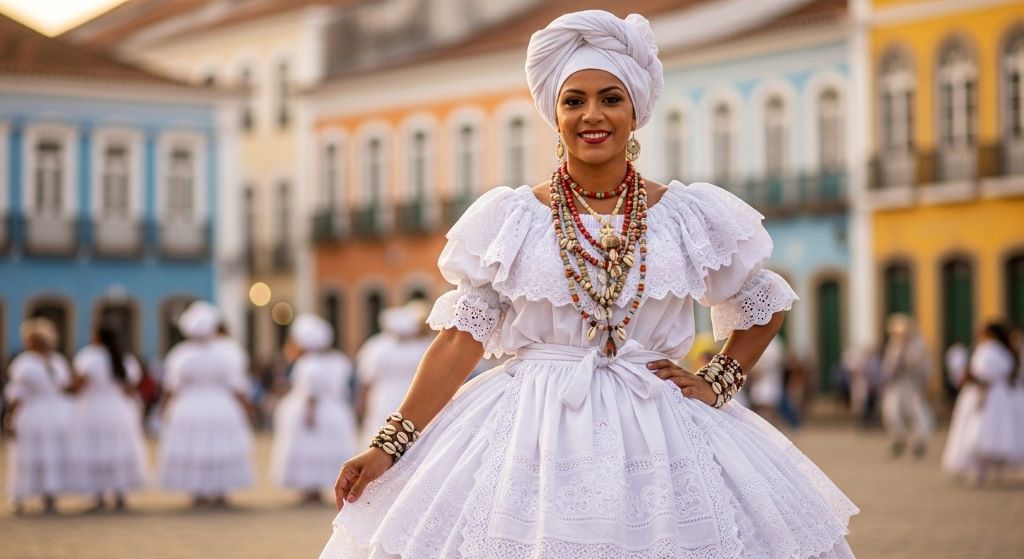
African influences profoundly shaped Brazilian fashion through centuries of cultural exchange. The white garments worn in Candomblé religious ceremonies showcase elegant simplicity and symbolic meaning. These flowing dresses, called baianas, feature layered skirts, white lace, and colorful accessories. Modern designers frequently reference these elements in resort and summer collections.
Turbans and head wraps represent another significant African contribution to Brazilian fashion. These accessories combine practical function with artistic expression. Contemporary designers incorporate head wraps into runway shows and everyday fashion, celebrating this cultural heritage. Moreover, the bold use of color in African-Brazilian dress contrasts with more subdued European palettes.
Jewelry traditions also carry African influences, particularly the use of beads, shells, and metal ornaments. These elements appear in modern Brazilian jewelry design and can inspire accessories for fashion collections.
The Golden Age of Brazilian Fashion
The mid-20th century marked Brazil’s emergence as a fashion force. Designers like Dener Pamplona de Abreu revolutionized Brazilian haute couture in the 1950s and 1960s. His work combined international fashion trends with Brazilian sensibilities, creating elegant yet tropical-appropriate designs. This period demonstrates how designers can honor tradition while embracing modernity.
The 1960s also saw the rise of Tropicália, a cultural movement that celebrated Brazilian identity. Fashion from this era featured psychedelic prints, flowing silhouettes, and a rejection of rigid European standards. Therefore, designers seeking inspiration can study this period for lessons in cultural pride and creative freedom. According to Vogue’s coverage of Brazilian fashion history, this era established Brazil’s unique position in global fashion.
Carnival and Festival Fashion
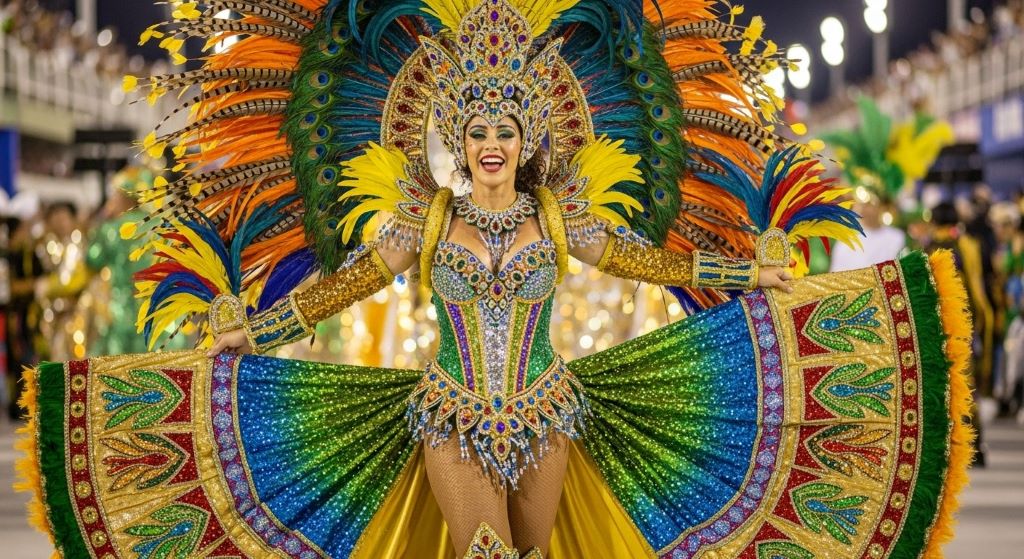
Brazilian Carnival represents the pinnacle of expressive, theatrical fashion design. The elaborate costumes feature thousands of sequins, feathers, crystals, and bold color combinations. While Carnival costumes might seem too extravagant for everyday wear, their elements translate beautifully to high fashion and special occasion design.
Designers can incorporate Carnival’s sense of celebration and joy into collections. Embellishment techniques from Carnival costumes add luxury and visual interest to evening wear. Additionally, the fearless color mixing seen in festival fashion challenges conventional design rules. Gradient effects, metallic finishes, and strategic sparkle placement all draw from Carnival traditions.
The construction techniques used for Carnival costumes also offer valuable lessons. These garments must withstand hours of dancing while maintaining their spectacular appearance. Therefore, durability combined with beauty becomes a design principle worth adopting.
Beachwear and Resort Fashion
Brazil’s beach culture significantly influences its fashion identity. The country’s coastline stretches for thousands of miles, making beach fashion an essential part of national style. Brazilian swimwear design revolutionized the industry through bold cuts, vibrant patterns, and body-positive approaches.
The famous Brazilian bikini bottom demonstrates how cultural attitudes shape design choices. This minimal style reflects comfort with the body and practical considerations for beach activities. Modern designers can study how Brazilian beachwear balances aesthetics, function, and cultural values.
Resort wear inspired by Brazilian beach fashion often features lightweight fabrics, tropical prints, and relaxed silhouettes. However, these pieces maintain sophistication through quality construction and thoughtful details. The concept of “chic comfort” exemplified by Brazilian resort wear influences global fashion trends.
Sustainable Practices from Tradition
Traditional Brazilian fashion often incorporated sustainable practices by necessity. Natural materials, local production, and garment longevity were standard practices. Modern designers seeking sustainable approaches can learn from these historical methods. The use of locally sourced materials reduces environmental impact while supporting regional economies.
Traditional dyeing methods using plants, fruits, and minerals offer eco-friendly alternatives to synthetic dyes. Furthermore, hand-weaving and artisanal production techniques preserve cultural knowledge while creating employment. Slow fashion principles align naturally with traditional Brazilian approaches to garment creation.
Designers can also draw inspiration from the Brazilian practice of transforming and reusing garments. Historical necessity taught people to adapt clothing rather than discard it. This mindset resonates with current upcycling and circular fashion movements.
Practical Application for Modern Designers
Implementing Brazilian historical inspiration requires research and cultural sensitivity. Designers should study specific periods, regions, and cultural groups rather than treating Brazil as monolithic. Working with Brazilian artisans and communities ensures authentic representation and fair compensation. Additionally, giving credit to cultural sources demonstrates respect and ethical practice.
Start by selecting specific elements that resonate with your design vision. Perhaps the vibrant color palettes of Bahia inspire your next collection. Maybe indigenous geometric patterns could become signature prints. Therefore, focused inspiration creates more cohesive collections than superficial borrowing.
Consider how Brazilian fashion history addresses universal design challenges. The adaptation of European styles to tropical climates teaches us about practical innovation. The blending of diverse cultural elements demonstrates how to create something new while honoring traditions. According to The Business of Fashion’s analysis, Brazilian fashion’s global influence continues to grow through these authentic cultural expressions.
Conclusion
Brazilian historical fashion offers endless inspiration for modern designers willing to explore its rich heritage. From indigenous featherwork to colonial lace, from African-influenced ceremonial dress to Carnival’s spectacular costumes, each element tells part of Brazil’s complex cultural story. Contemporary designers can draw from these traditions while creating fresh, relevant work for today’s market.
The key lies in approaching Brazilian fashion history with respect, research, and genuine appreciation. Sustainable practices, cultural sensitivity, and authentic collaboration ensure that inspiration doesn’t become appropriation. By studying how different cultures and climates influenced Brazilian style, designers gain valuable lessons applicable to their own work. Furthermore, celebrating Brazilian fashion heritage contributes to preserving and promoting these important cultural traditions.
Modern fashion benefits greatly from diverse cultural perspectives. Brazilian historical fashion demonstrates how beauty emerges from cultural fusion, practical adaptation, and creative expression. Designers who thoughtfully incorporate these elements create collections with depth, meaning, and visual impact.
Frequently Asked Questions
What are the key elements of Brazilian traditional fashion?
Brazilian traditional fashion features vibrant colors, natural fibers, lightweight fabrics, intricate lacework, feather decorations, and flowing silhouettes adapted to tropical climates. These elements reflect indigenous, Portuguese, and African influences blended over centuries.
How can designers use Brazilian fashion inspiration ethically?
Designers should research thoroughly, credit cultural sources, collaborate with Brazilian artisans, compensate communities fairly, and avoid superficial stereotypes. Understanding the cultural context and meaning behind design elements ensures respectful implementation.
What periods of Brazilian fashion history are most influential?
The colonial period (1500-1822), the golden age of haute couture (1950s-1960s), the Tropicália movement (1960s-1970s), and contemporary beach and Carnival fashion all significantly influence modern design. Each period offers distinct aesthetic elements.
Why is Brazilian beachwear so influential globally?
Brazilian beachwear revolutionized swimsuit design through bold cuts, body-positive approaches, quality construction, and vibrant aesthetics. The country’s beach culture and emphasis on comfort combined with style created internationally appealing designs.
What sustainable practices can designers learn from Brazilian fashion history?
Traditional Brazilian fashion used natural dyes, local materials, artisanal production, garment transformation, and climate-appropriate design. These historical practices align with modern sustainable fashion principles and offer eco-friendly alternatives to industrial production.
Related Topics:
How Do Shein Men’s Clothes Fit? A Comprehensive Guide
The Art of Draping: How to Wear a Shawl with a Formal Dress