

Healthy soil is the backbone of every thriving garden and landscape. One of the most effective ways to preserve and enhance soil quality is through the process of mulching. Whether you’re a homeowner, professional landscaper, or passionate gardener, understanding how mulching impacts the health of your soil can transform the way you care for your plants and the environment around them.
Mulching involves applying a layer of organic or inorganic material over your soil surface to create a favorable microclimate for plant roots, offering both immediate benefits and long-term improvements. Beyond simply making landscapes look neat and well-maintained, the right mulching practices lead to healthier soil, improved plant performance, and sustainable land management.
Employing mulching techniques not only conserves precious water but also suppresses weeds, limits soil erosion, and contributes key nutrients back into the soil as the mulch breaks down. These advantages make mulching an essential practice for gardeners and landscapers who want to maintain productive soil year after year. As you consider ways to enhance the health of your garden or landscape, don’t underestimate the foundational role of quality mulching.
Moisture Retention
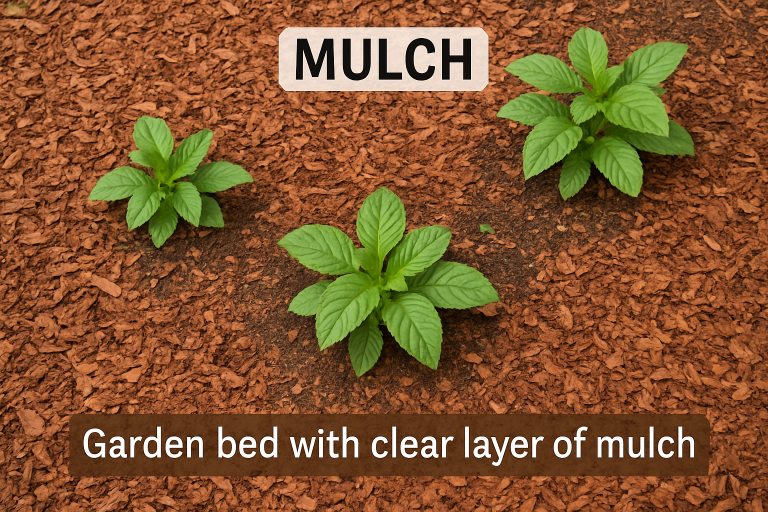
One of the standout benefits of mulching is its ability to help soil retain moisture. By acting as a protective barrier, mulch dramatically reduces water evaporation, especially during hot and dry periods. In landscaped areas that incorporate features such as retaining walls, proper mulching becomes even more critical, as it helps stabilize soil and maintain consistent moisture levels around plants. Maintaining steady soil moisture is essential for optimal plant health, as it prevents stress caused by irregular watering cycles. The U.S. Environmental Protection Agency confirms that mulch insulation is a proven method for preserving soil moisture, resulting in reduced irrigation needs throughout the growing season.
Temperature Regulation
Soil temperature has a direct impact on plant root health and microbial activity. Mulch provides a stable buffer, keeping soil significantly cooler on hot summer days and warmer during freezing winter nights. A steady soil temperature prevents plant stress and allows for robust root development. Research from the University of California Cooperative Extension demonstrates that mulched soils maintain more consistent temperatures year-round, supporting strong, healthy root systems and vibrant plant growth.
Weed Suppression
Weeds compete fiercely with desirable plants for water, nutrients, and sunlight. A substantial layer of mulch blocks sunlight from reaching dormant weed seeds, reducing their ability to germinate. This natural weed suppression method frees gardeners from frequent weeding chores and helps keep landscapes looking cleaner and more controlled. The Missouri Botanical Garden highlights that mulch serves as both a physical and visual barrier against unwelcome weed growth, making it a highly effective means of prevention.
Soil Erosion Prevention
Mulch not only nourishes and protects the soil but also defends against damaging erosion caused by wind, water runoff, and foot traffic. This benefit proves especially valuable on sloped or exposed areas, where topsoil is easily displaced. Covering the ground with mulch absorbs the energy of falling rain and cushions soil against heavy breezes, locking soil particles in place. The University of California Cooperative Extension explains that proper mulch coverage can mean the difference between eroded, compacted earth and soil that sustains healthy plants for the long term.
Nutrient Enhancement
Organic mulches break down over time, slowly releasing essential nutrients such as nitrogen, phosphorus, and potassium back into the soil. This natural enrichment is crucial for plant growth and reduces dependency on chemical fertilizers. As mulch decays, it also contributes to a diverse population of beneficial soil organisms. According to the Missouri Botanical Garden, applying organic mulch enhances soil fertility, fostering healthier ecosystems for plants and beneficial bugs alike.
Improved Soil Structure
Beyond providing nutrients, decomposing mulch physically transforms soil structure by increasing its aeration and ability to hold water. Improved soil structure yields better root penetration, greater water infiltration, and increased microbial diversity, all of which lead to more resilient and productive landscapes. As mulch materials gradually mix into the upper layers of soil, they enhance its texture and stability, protecting the ground from compaction and helping plant roots thrive.
Pest Control
Strategically chosen mulch can serve as an effective measure for pest control and disease reduction. For example, certain aromatic mulches repel unwanted insects, while the physical barrier prevents soil-borne pathogens from splashing upward and infecting plant foliage. However, care should be taken to select mulch types that do not attract harmful pests, and to follow best practices in application and replenishment. Expert recommendations from the University of California Cooperative Extension note that by keeping soil pathogens below a protective mulch barrier, the risk of disease transmission to plants is significantly reduced.
Best Practices for Mulching
Mulching is essential for enhancing soil health, protecting landscapes, and promoting plant growth. Use organic materials, such as shredded bark, compost, and straw, for soil enrichment, while inorganic mulches ensure long-term weed control. Apply a thickness of 2 to 4 inches and maintain a buffer around plant stems to prevent rot and pest issues. Regularly replenish organic mulches to maintain their effectiveness and appearance, creating a resilient and visually appealing environment.
Conclusion
Mulching is an effective practice that benefits soil health, plant vitality, and landscape resilience. It improves moisture retention, regulates temperature, suppresses weeds, and prevents erosion, supporting a stable growing environment that reduces maintenance. Mulch enriches soil with nutrients, improves structure, and aids natural pest and disease control, adding value to residential and commercial landscapes. Proper application and ongoing maintenance promote healthier plants, conserve water, and sustain soil ecosystems. By following best practices and choosing suitable materials, gardeners can create more productive, attractive, and eco-friendly outdoor spaces.