
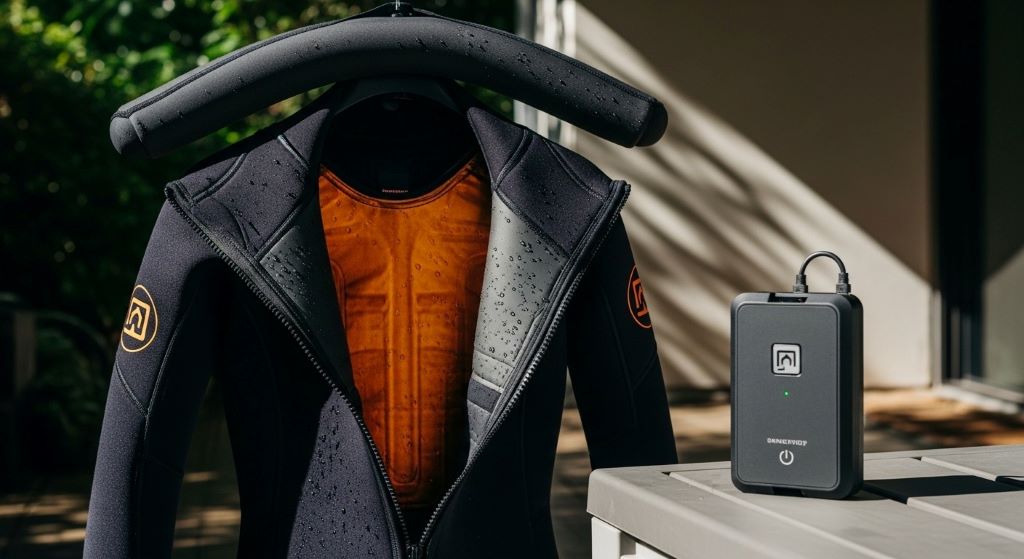
Heated wetsuits represent a significant investment for water sports enthusiasts who want to extend their time in cold water. These advanced garments combine traditional neoprene construction with integrated heating elements and battery systems. However, owning one of these suits comes with responsibilities that go beyond basic wetsuit care tips.
Proper maintenance ensures your heated wetsuit performs optimally for years to come. Without the right care routine, you risk damaging expensive heating components, degrading the neoprene material, or shortening battery lifespan. This comprehensive guide will walk you through everything you need to know about keeping your heated wetsuit in peak condition.
Understanding Your Heated Wetsuit’s Components
Before diving into maintenance procedures, it’s helpful to understand what makes your heated wetsuit different from traditional ones. These suits contain several key components that require special attention.
The neoprene shell functions just like a regular wetsuit, providing insulation and flexibility. However, embedded within this material are thin heating wires or carbon fiber panels that generate warmth when powered. These heating elements are delicate and can be damaged by rough handling or improper storage.
The battery pack powers the heating system and typically connects to the suit through waterproof connectors. Most heated wetsuits use rechargeable lithium-ion batteries housed in protective cases. These batteries are often the most expensive component to replace, making proper care essential.
Controllers allow you to adjust heat settings while in the water. These devices connect the battery to the heating elements and must remain waterproof to function correctly. Understanding how these components work together helps you maintain each part effectively.
Rinsing After Every Use
The single most important habit you can develop is thoroughly rinsing your heated wetsuit after each session in the water. Salt, chlorine, sand, and other contaminants degrade neoprene and can corrode electrical connections if left on the suit.
Start by disconnecting all electrical components before rinsing. Remove the battery pack, unplug any controllers, and ensure all connection points are separated. Never rinse your suit while components are still attached, as water intrusion into electrical connections can cause serious damage.
Use fresh, cool water for rinsing. Hot water can damage neoprene and potentially affect the heating elements embedded in the material. A garden hose works perfectly for this task. Spray down the entire suit, paying special attention to areas where salt or sand tends to accumulate.
Turn the suit inside out and rinse the interior as well. This step often gets overlooked, but it’s crucial for removing body oils, sunscreen, and sweat that can break down neoprene over time. Spend extra time rinsing the areas around electrical connection points to ensure no salt residue remains.
After rinsing, gently squeeze out excess water. Never wring or twist your heated wetsuit, as this can damage the internal heating wires. Instead, press the neoprene between your hands to remove water without putting stress on the material.
Deep Cleaning Your Wetsuit
While rinsing handles everyday maintenance, your heated wetsuit needs periodic deep cleaning to remove accumulated oils, odors, and stubborn dirt. This process differs slightly from cleaning regular wetsuits due to the electrical components.
Choose a cleaner specifically designed for neoprene cleaning rather than general laundry detergent. Specialty wetsuit shampoos are pH-balanced to clean effectively without degrading the material. They also help maintain the flexibility that makes neoprene comfortable to wear.
Fill a large tub or bathtub with cool water and add the recommended amount of wetsuit cleaner. Submerge your suit completely, ensuring the battery and controllers remain removed. Let the suit soak for 15 to 20 minutes, allowing the cleaner to penetrate the neoprene and dissolve accumulated residue.
Gently massage the suit while it soaks, working the cleaning solution through the material. Pay attention to high-wear areas like the knees, elbows, and seat. These spots accumulate more dirt and body oils than other parts of the suit.
After soaking, drain the tub and rinse the suit thoroughly with fresh water. Make sure all soap residue is removed, as leftover cleaner can cause skin irritation and potentially damage neoprene over time. Continue rinsing until the water runs completely clear.
Proper Drying Techniques
Drying your heated wetsuit correctly prevents mold, mildew, and material degradation. However, the drying process requires patience and attention to detail.
Always dry your wetsuit away from direct sunlight. UV rays break down neoprene, causing it to become stiff and brittle. They can also fade colors and potentially damage heating elements. Choose a shaded, well-ventilated area for drying.
Hang your suit on a wide, padded hanger designed for wetsuits. Regular wire hangers create stress points that can damage the shoulders and stretch the material. Wetsuit hangers distribute weight evenly, maintaining the suit’s shape.
Initially, hang the suit inside out to dry the interior first. The inside typically takes longer to dry because it’s less exposed to air circulation. After several hours, flip the suit right-side out to finish drying the exterior.
Never use artificial heat sources like radiators, hair dryers, or clothes dryers. High heat damages neoprene permanently and can melt or warp heating elements. Room temperature air circulation is the only safe drying method for these specialized suits.
Ensure your suit is completely dry before storage. Any remaining moisture can lead to mold and mildew growth, which creates unpleasant odors and can compromise the neoprene’s integrity. This process typically takes 24 to 48 hours depending on humidity levels.
Battery Maintenance and Storage
Your heated wetsuit’s battery requires dedicated attention to maintain performance and longevity. Following a proper battery care guide significantly extends the life of this expensive component.
After each use, rinse the battery housing’s exterior with fresh water, just like the wetsuit itself. Ensure no salt or debris remains around connection points or charging ports. Dry the housing thoroughly before storing or charging.
Check the O-rings and seals regularly for signs of wear or damage. These rubber components keep water out of the battery housing. Replace them according to the manufacturer’s schedule or whenever you notice cracks, compression, or loss of elasticity.
Store batteries at the proper charge level when not in use. Most lithium-ion batteries perform best when stored at 40 to 60 percent charge. Storing them fully charged or completely depleted can reduce their lifespan. Check your manufacturer’s specific recommendations.
Keep batteries in a cool, dry place away from extreme temperatures. Heat accelerates battery degradation, while freezing temperatures can cause permanent damage. Room temperature storage in a climate-controlled environment is ideal.
Charge batteries using only the manufacturer-provided charger. Generic chargers may not provide the correct voltage or current, potentially damaging the battery or creating safety hazards. Additionally, never leave batteries charging unattended overnight.
Inspecting Electrical Connections
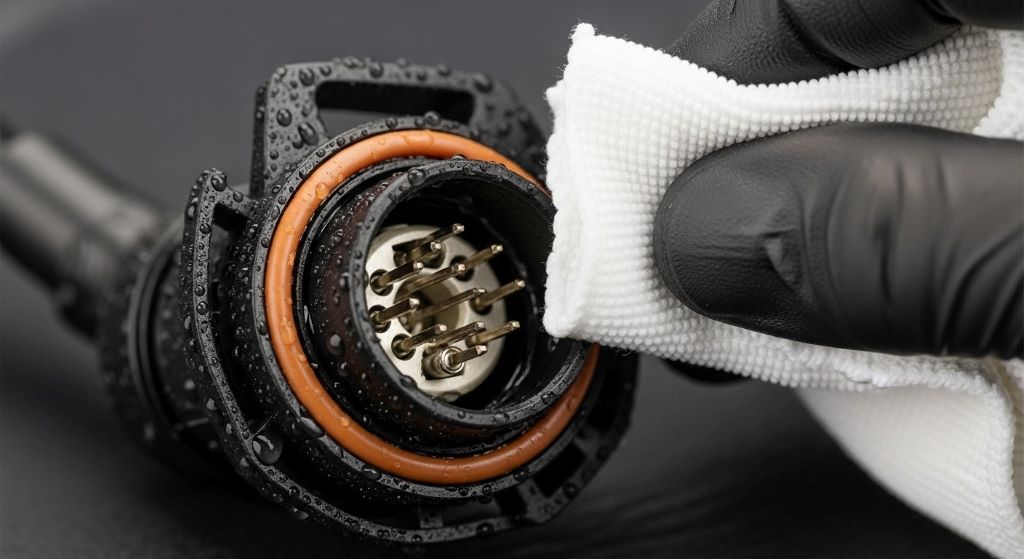
The waterproof connections between your battery, controller, and heating elements require regular inspection to ensure continued performance and safety.
Before and after each use, examine all connection points for signs of corrosion, debris, or damage. Even small amounts of salt buildup can prevent proper electrical contact or cause corrosion over time.
Clean connector pins and sockets using a soft, dry cloth after rinsing your suit. If you notice any corrosion, use a contact cleaner specifically designed for electrical connections. Apply it sparingly and let it dry completely before reconnecting components.
Apply dielectric grease to connection points as recommended by your manufacturer. This protective coating prevents corrosion and helps maintain watertight seals. Use only products approved for your specific wetsuit model, as some greases can damage rubber seals.
Test connections before each outing by briefly powering on your system and checking that heat distributes evenly. This quick check can identify problems before you’re in the water and unable to fix them.
Long-Term Storage Strategies
Proper storage during off-seasons or extended periods of non-use protects your investment and ensures your suit is ready when you need it.
Store your completely dry wetsuit on a wide hanger in a cool, dark place. Closets work well as long as they’re not damp or extremely hot. Avoid attics, garages, or basements where temperature and humidity fluctuate dramatically.
Never fold your heated wetsuit for storage. Folding creates creases in the neoprene and can damage heating wires running through the material. If hanging isn’t possible, lay the suit flat on a large, clean surface.
Remove batteries from their housings during long-term storage. Store them separately following the guidelines mentioned earlier. This practice prevents potential damage if a battery were to leak or swell.
Keep your wetsuit away from petroleum products, solvents, and strong chemicals. These substances can dissolve or damage neoprene. Even small exposures to gasoline, oil, or harsh cleaners can create weak spots in the material.
Check on your stored wetsuit periodically, especially during extended storage periods. Look for signs of mold, material degradation, or pest damage. Early detection allows you to address problems before they become serious.
Addressing Common Issues
Even with excellent maintenance, you may encounter occasional problems with your heated wetsuit. Knowing how to address these issues promptly can prevent minor problems from becoming major repairs.
If you notice uneven heating, first check all connections to ensure they’re secure and clean. Test the battery charge level, as weak batteries often cause inconsistent heating. If these simple fixes don’t work, there may be damage to the heating elements requiring professional repair.
Persistent odors despite regular cleaning usually indicate bacterial growth deep in the neoprene. Soak the suit in a specialized wetsuit deodorizer or a solution of water and wetsuit cleaner for an extended period. Some people use enzymatic cleaners designed for sports gear with good results.
Small tears or punctures in neoprene should be repaired immediately to prevent them from growing. Use neoprene cement and patches designed specifically for wetsuit repairs. Follow the product instructions carefully for the strongest bond.
Sticky or stuck zippers benefit from zipper lubricant made for wetsuits. Never force a stuck zipper, as this can damage both the zipper and surrounding neoprene. Instead, work lubricant into the teeth and gently work the zipper back and forth until it moves freely.
Understanding Manufacturer Guidelines
Every heated wetsuit model has specific care requirements from its manufacturer. These guidelines should always take precedence over general advice.
Read your owner’s manual thoroughly before using or cleaning your suit for the first time. Manufacturers include important information about materials, washing restrictions, and component care specific to their design.
Register your product if the manufacturer offers registration. This often provides access to instructional videos, troubleshooting guides, and customer support. It may also be required for warranty claims.
Follow recommended service intervals for professional maintenance. Some manufacturers suggest annual inspections of electrical components and seals. These services can identify potential problems before they cause failures.
Keep records of your maintenance activities and any repairs. This documentation can be valuable for warranty claims and helps you track when certain tasks were last performed.
Extending Component Lifespan
Beyond basic maintenance, several practices can help maximize the lifespan of your heated wetsuit’s various components.
Avoid stretching the suit excessively when putting it on or taking it off. Use proper donning techniques, perhaps with a lubricant designed for wetsuits. This reduces stress on seams, zippers, and embedded heating elements.
Limit exposure to extreme conditions when possible. While heated wetsuits are designed for cold water, unnecessarily harsh conditions accelerate wear on all components. Similarly, remove your suit promptly after exiting the water rather than sitting in it for extended periods.
Rotate between multiple wetsuits if you use them frequently. Giving each suit time to fully dry and rest between uses extends their overall lifespan compared to using the same suit daily.
Invest in protective gear like changing mats and wetsuit bags. These accessories prevent unnecessary wear from rough surfaces and make transport safer for your suit and its components.
When to Seek Professional Help
Sometimes, despite your best maintenance efforts, professional service becomes necessary. Knowing when to seek expert help can save you money and extend your wetsuit’s life.
Any electrical issues beyond simple connection cleaning should be handled by professionals. Attempting to repair heating elements yourself can void warranties and potentially create safety hazards.
Significant neoprene damage, especially near heating elements, requires professional repair. While small tears are manageable at home, larger damage needs expert attention to ensure repairs don’t compromise the heating system.
Battery problems like rapid discharge, swelling, or failure to hold a charge warrant professional assessment. Never attempt to open or repair battery packs yourself, as lithium-ion batteries can be dangerous if mishandled.
If you’re unsure about any aspect of maintenance or repair, contact the manufacturer or an authorized service center. They can provide guidance specific to your wetsuit model and may offer repair services.
Conclusion
Maintaining a heated wetsuit requires commitment to regular care routines, but the effort pays dividends in performance and longevity. By incorporating thorough rinsing after each use, performing periodic deep cleaning with appropriate products, and properly caring for batteries and electrical components, you protect your investment.
Remember that proper storage, gentle handling, and attention to manufacturer guidelines form the foundation of effective wetsuit care tips. Your heated wetsuit combines sophisticated technology with traditional materials, and both aspects need appropriate attention.
The battery care guide principles of proper charging, storage, and handling ensure this critical component continues powering your suit for many seasons. Similarly, following neoprene cleaning best practices keeps your suit flexible, odor-free, and structurally sound.
By making these maintenance habits part of your routine, you’ll enjoy reliable warmth and comfort in cold water for years to come. The time you invest in proper care is minimal compared to the cost of premature replacement or expensive repairs.
Frequently Asked Questions
How often should I deep clean my heated wetsuit?
Deep clean your heated wetsuit every five to ten uses, depending on water conditions and how much you perspire. If you use your suit in particularly dirty water or notice odors developing, clean it more frequently. Salt water environments typically require more frequent cleaning than fresh water. Always rinse after every use regardless of when you last deep cleaned.
Can I machine wash my heated wetsuit?
No, you should never machine wash a heated wetsuit. The agitation damages heating elements and can cause neoprene to stretch or tear. Additionally, the electrical connections and components aren’t designed to withstand machine washing. Hand washing in a tub with wetsuit-specific cleaner is the only safe cleaning method for these specialized garments.
How long do heated wetsuit batteries typically last?
With proper care, heated wetsuit batteries usually last two to four years or 300 to 500 charge cycles. However, this varies based on usage frequency, storage conditions, and how well you follow the manufacturer’s battery care guide. Storing batteries at appropriate charge levels and temperatures significantly extends their lifespan. Signs of degradation include shorter run times and difficulty holding a charge.
Is it safe to use my heated wetsuit in salt water?
Yes, most heated wetsuits are designed for both salt water and fresh water use. However, salt water requires more diligent maintenance. Salt accelerates corrosion of electrical components and degrades neoprene faster than fresh water. Therefore, thorough rinsing after salt water use is absolutely critical. Check connection points carefully for any salt buildup.
What temperature water should I use for rinsing?
Always use cool or lukewarm water for rinsing your heated wetsuit. Water temperature should be below 85 degrees Fahrenheit. Hot water can damage neoprene, causing it to lose elasticity and potentially affecting the adhesives that bond heating elements to the material. Cold tap water works perfectly and won’t harm any components.
Related Topics:
Thrilling Water Activities and Spots to Visit Near Madison AL
Y Balance Exercise: Unlocking Lower Body Strength, Stability, and Injury Prevention