
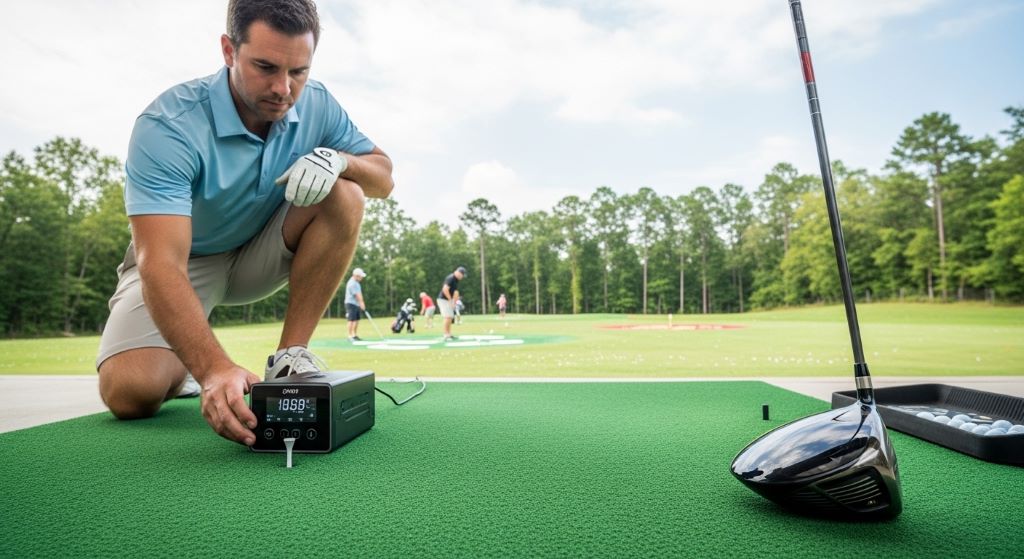
Golf has always been a game of precision. Every swing carries data — launch angle, ball speed, spin rate, carry distance. For years, that data was only available to tour pros and elite academies using expensive equipment. However, times have changed. Today, golfers at every level can access powerful launch monitors without spending a fortune.
The challenge is finding one that actually works. The market is full of cheap golf devices that promise tour-level accuracy but deliver little more than rough estimates. So how do you tell the difference? How do you find a monitor that gives you reliable numbers at a price that makes sense?
This guide walks you through everything you need to know. You will learn what to look for, what to avoid, and how to make a smart purchase decision.
What Is a Golf Launch Monitor and Why Do You Need One?
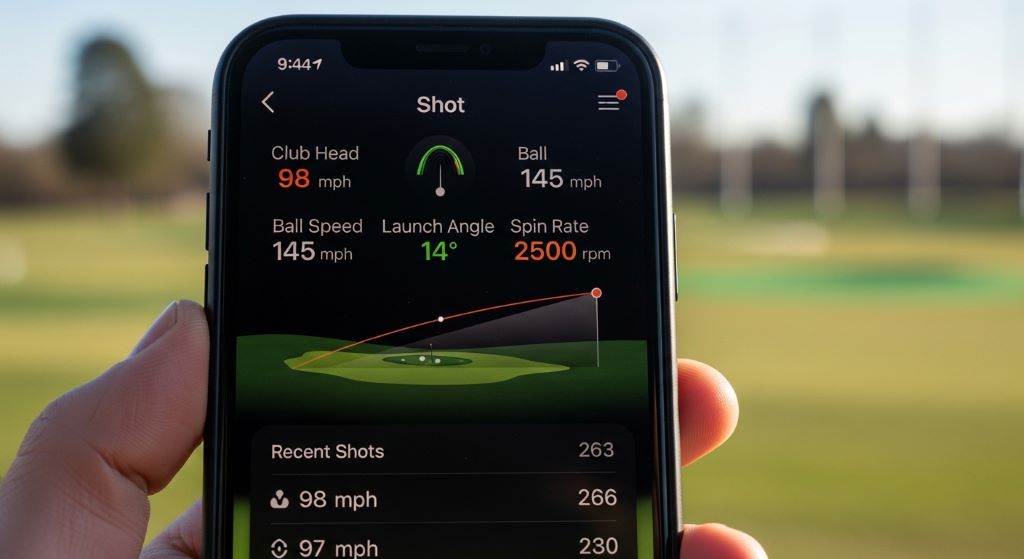
A golf launch monitor is a device that measures data from your golf shots. It captures information like ball speed, club head speed, launch angle, spin rate, and carry distance. Some models also measure smash factor, shot shape, and apex height.
Traditionally, launch monitors used Doppler radar technology. These systems are accurate and consistent, but they are also large and expensive. More recently, photometric monitors using high-speed cameras have entered the market. Additionally, a newer wave of devices combines both technologies to improve performance at lower price points.
Why do you need one? Practice becomes far more productive when you have real feedback. Instead of hitting ball after ball and guessing what went wrong, a launch monitor shows you exactly what happened. Therefore, you can fix problems faster and build better habits more efficiently.
Setting a Realistic Budget
Before you shop, decide what you can reasonably spend. Budget launch monitors typically fall between $150 and $600. Premium consumer models range from $600 to $2,000. Professional systems can cost $10,000 or more.
For most recreational golfers, the sweet spot is somewhere between $200 and $500. In this range, you can find affordable golf tech that delivers accurate enough data to meaningfully improve your game. You do not need to spend $1,500 to get useful numbers.
However, be cautious about going too low. Monitors priced under $100 often produce inconsistent readings. They may work some of the time, but you cannot rely on the data to make real decisions about your game.
Key Metrics to Look For
Not all launch monitors track the same data points. Some entry-level devices only measure a handful of metrics. Before buying, understand which numbers matter most for your goals.
Here are the most important metrics to consider:
- Ball speed: This tells you how fast the ball leaves the club face. It is directly tied to how far the ball will travel.
- Launch angle: This is the angle at which the ball leaves the face. The right launch angle maximizes carry distance.
- Spin rate: Too much or too little spin affects accuracy and distance. Spin is especially important for iron and driver fitting.
- Carry distance: This is how far the ball travels through the air before landing. It is one of the most useful numbers for club selection.
- Club head speed: Knowing your swing speed helps you choose the right shaft flex and ball type.
If a budget monitor only tracks two or three of these, it may still be useful for basic feedback. However, if you want to do real club fitting or serious practice work, aim for a device that tracks at least five to six metrics.
Radar vs. Camera: Which Technology Is Better for Budget Buyers?
This is one of the most important questions to answer before buying. The technology inside the monitor determines how accurate it is and how it needs to be set up.
Doppler radar devices emit a signal that bounces off the ball and club. They calculate data by measuring how the signal changes during the swing. Radar monitors tend to be more forgiving in terms of placement. You can often set them behind or beside you without losing accuracy. The Garmin Approach R10, for example, uses radar and is one of the most popular budget options available.
Camera-based monitors use high-speed cameras to photograph the ball at the moment of impact. They measure things like spin by tracking dots printed on the ball or by reading ball markings. These devices are often highly accurate for the metrics they track. However, they usually require specific ball types or placement directly in front of the hitting area.
For outdoor use, radar tends to work better. For indoor simulators where the monitor is placed close to the ball, camera systems often shine. Therefore, think about where and how you plan to use the device before choosing a technology type.
Top Features That Separate Good Budget Monitors From Bad Ones
Shopping for cheap golf devices can feel overwhelming because so many products look similar on the surface. Here are the features that actually matter.
Portability matters if you plan to use the monitor on the range or on the course. Look for lightweight designs with long battery life. Some monitors clip onto a bag or set up in seconds. Others require a tripod and careful alignment, which adds time and hassle.
App integration is increasingly important. Many modern monitors connect to a smartphone app that displays data, tracks shot history, and organizes practice sessions. A strong app makes the device far more useful. Look for one with a clean interface and regular software updates.
Shot tracking and session history allow you to compare your performance over time. A single session of data tells you what happened today. Months of session history tells you whether you are improving. Therefore, a monitor with good history tracking is far more valuable long term.
Indoor and outdoor compatibility gives you flexibility. If you play outdoors but also use a simulator in winter, a monitor that works in both environments is worth the slight extra cost.
Accuracy ratings and user reviews are your best friends. Read what real golfers say about a device, not just the manufacturer’s claims. Compare numbers from consumer reviews against what professionals report. Consistency is more important than hitting a perfect reading once.
How to Evaluate Accuracy Without a Comparison Test
Most buyers cannot access a side-by-side comparison with a professional-grade monitor. However, there are still ways to judge accuracy before you buy.
First, look for devices that have been reviewed by trusted golf publication sites or YouTube channels that show actual data comparisons. Several reviewers regularly test budget monitors against TrackMan or Foresight systems. These reviews show you exactly how close the budget device gets to professional-level accuracy.
Second, check the claimed measurement ranges. A monitor that claims to measure spin rates between 1,000 and 10,000 RPM is likely using real sensor data. A device that only displays whole numbers or strangely round figures may be estimating rather than measuring.
Third, look at the data consistency across repeated shots. Accurate monitors show small, realistic variation between similar swings. If a device shows wildly different numbers for identical shots, something is wrong with the sensor or algorithm.
Additionally, pay attention to how the company handles firmware updates. A manufacturer that regularly improves accuracy through software updates is more trustworthy than one that never updates its product.
Where to Buy and What to Avoid
You can find budget launch monitors at golf retailers, sporting goods stores, and online marketplaces. Buying from a reputable retailer gives you better access to returns and warranties. This matters more than it might seem, because some devices simply do not work as advertised.
Avoid buying unbranded or obscure devices from discount marketplaces. These products often look impressive in photos and claim professional-level specs, but real-world performance frequently disappoints. There is a reason they are priced far below established brands.
Stick with recognizable names in affordable golf tech — companies like Garmin, Rapsodo, Voice Caddie, Flightscope, and Bushnell have established track records. Their budget lines may not match their premium products, but they deliver far more reliable performance than unknown alternatives.
Look for a warranty of at least one year. Some premium budget monitors offer two-year warranties. A company that stands behind its product with a meaningful warranty is a good sign of quality.
Making the Most of Your Budget Monitor
Buying the device is only the beginning. Getting real value from it requires deliberate practice.
Start by establishing a baseline. Spend one full session simply measuring your current numbers without changing anything. Record your average ball speed, launch angle, and carry distance for each club. This gives you a starting point for comparison.
Next, identify the biggest gap. Is your driver launching too low? Is your iron spin rate inconsistent? Focus your practice on one variable at a time. Trying to fix everything at once leads to confusion and slow progress.
Use the data to make smarter club selection decisions on the course. If your launch monitor shows your 7-iron carries 155 yards on average, you now have reliable information for real course situations. Therefore, every round becomes more strategic.
Finally, revisit your baseline every four to six weeks. Comparing current numbers against your starting point shows you whether your practice is actually working. This kind of measurable progress keeps motivation high and keeps your practice purposeful.
Conclusion
Buying a budget golf launch monitor does not mean settling for bad data. It means being smart about what you need, what you are willing to spend, and which device best matches your goals. Start by understanding the key metrics that matter for your game. Then choose the right technology — radar or camera — based on where you plan to practice. Focus on real-world accuracy, app quality, and manufacturer reputation rather than headline price alone.
Affordable golf tech has improved dramatically in recent years. Several excellent monitors now deliver genuinely reliable data for under $500. With the right device and a commitment to deliberate practice, you can use real numbers to build a better swing, make smarter club choices, and ultimately shoot lower scores. The technology is available. The only remaining step is choosing wisely.
Frequently Asked Questions
What is the most accurate budget golf launch monitor available today?
The Garmin Approach R10 and Rapsodo Mobile Launch Monitor are consistently rated among the most accurate budget options. Both offer reliable ball speed, launch angle, and carry distance readings at a consumer-friendly price.
Can I use a budget launch monitor indoors for a golf simulator?
Yes, many budget monitors work indoors. Camera-based systems like the Rapsodo MLM2PRO are designed for indoor use. However, some radar devices need more space behind the ball to function correctly, so always check the minimum distance requirements.
How many data points does a good budget monitor need to track?
A useful budget monitor should track at least five core metrics: ball speed, launch angle, spin rate, carry distance, and club head speed. More metrics are better, but these five give you enough information for meaningful practice and basic club fitting.
Are cheap golf devices accurate enough for club fitting?
Entry-level devices can provide a useful starting point for club fitting, especially for identifying launch angle and spin trends. However, for precise fitting decisions — particularly around shaft selection — a professional fitting session using a higher-end system is still recommended.
Do I need special golf balls to use a launch monitor?
It depends on the technology. Radar-based monitors like the Garmin R10 work with any ball. Some camera-based systems require balls with specific markings or use sticker dots to measure spin. Always check compatibility before buying.
Related Topics:
How to Find Unique Perfume Gift Ideas for Women This Mothers Day
How to Maintain a Heated Wetsuit for Long-Term Performance