
Key Takeaways
- Heat, humidity, rain, and drought can change where pests seek food, water, and shelter.
- Inspect for standing water, moisture, damaged screens, gaps, and other entry points after weather changes.
- Seasonal inspections can help identify pest activity before it becomes a larger problem.
- Use prevention, monitoring, sanitation, and targeted control as part of an integrated approach.
- Seek professional help when pest activity is persistent, damaging, hazardous, or difficult to identify.
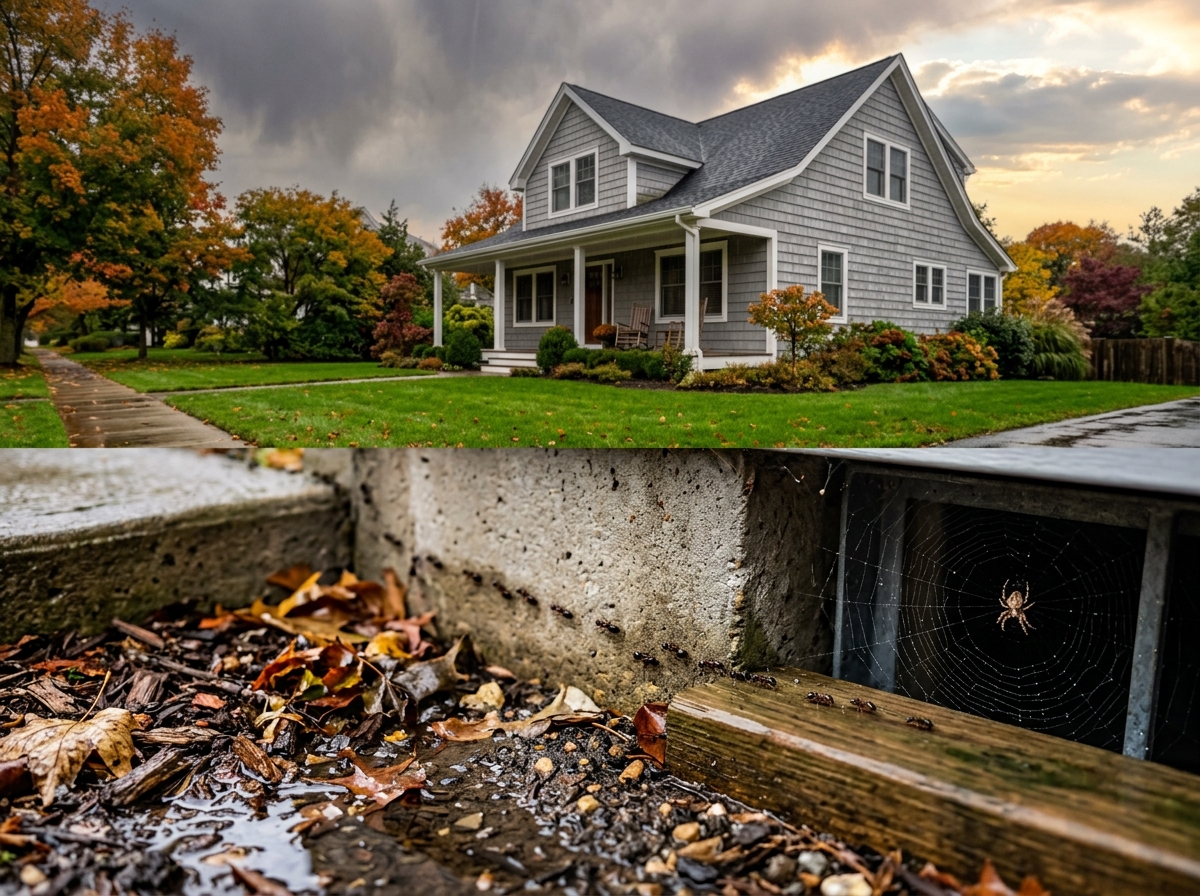
After a downpour, humid stretch, or sudden cold snap, it is common for homeowners to notice insects or rodents in new places. Weather can change where pests travel, feed, nest, and seek shelter, but it is rarely the only reason they appear. For property-specific help with pest control in Monmouth County, Alliance Pest Services offers a relevant local option. The family-owned New Jersey company, founded in 1983 and based in Tinton Falls, provides residential, commercial, termite, rodent, mosquito, and tick services for Monmouth County and nearby communities.
The practical takeaway is simple: use major weather changes as a reminder to inspect your home and yard. Openings around the foundation, accessible food, indoor moisture, clutter, and overgrown landscaping can all make a property more appealing once pests are already moving through the area.
How Heat and Humidity Affect Common Household Pests
Warm, humid weather can make ants, mosquitoes, flies, cockroaches, and stinging insects more noticeable around homes. Damp conditions near crawl spaces, basements, drains, air-conditioning equipment, and outdoor containers can provide the moisture many pests seek. Warm periods may also shorten development time for some insects, allowing activity to build when food and suitable shelter are available.
Mosquitoes need standing water for their immature stages, so a small amount of water in clogged gutters, plant saucers, toys, tarps, or buckets can matter. New Jersey residents can review the state’s mosquito activity guidance for seasonal information and practical steps that reduce breeding habitat.
What Heavy Rain Can Drive Toward a Home
Heavy rain can saturate soil, flood low areas, and disturb nests or burrows, driving ants, rodents, and other pests into higher, drier spaces such as garages, sheds, basements, wall voids, and beneath decks. Rain does not cause infestations but can expose existing vulnerabilities.
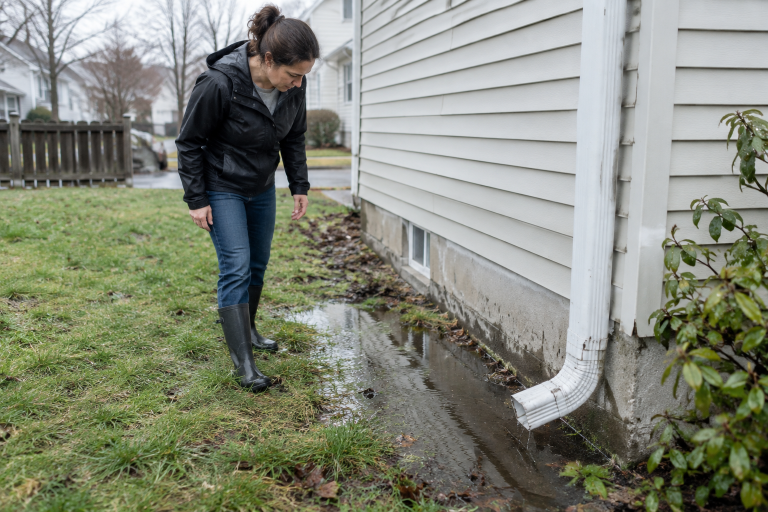
After a storm, ensure the sump pump works, floor drains are clear, downspouts direct water away from the foundation, and basement windows are secure. Check for lingering puddles, especially near landscaping, storage areas, and outdoor equipment.
Why Drought Can Also Increase Indoor Pest Sightings
Long dry periods can reduce the water available outdoors. Ants and other pests may look for moisture near homes, including around plumbing, pet bowls, irrigation leaks, condensate lines, and damp foundation areas. Wildlife may also investigate dependable water sources on a property.
Repair dripping faucets, address irrigation problems, and avoid leaving water-filled containers outside overnight. A dry summer does not guarantee a pest problem, but it can change the resources pests seek.
Seasonal Pest Patterns to Watch in New Jersey
- Spring: Rising temperatures can bring more ant activity, termite swarmers, wasps, and rodent movement around yards and structures.
- Summer: Watch for mosquitoes, ticks, flies, yellowjackets, and insects drawn to food waste or moisture.
- Fall: Inspect rooflines, screens, vents, doors, utility openings, and foundation cracks before rodents and overwintering insects seek protected spaces.
- Winter: Look for droppings, gnaw marks, insect activity near warmth or moisture, and sounds from attics or wall spaces.
Weather-Related Pest Risks for Monmouth County Properties
Monmouth County properties can face different conditions from one neighborhood to the next. Coastal moisture, storm runoff, wooded lot lines, dense shrubs, older construction, and nearby drainage areas may all influence where pests travel and hide. Homes in Tinton Falls, Middletown, Red Bank, Freehold, and surrounding communities benefit from regular inspections that focus on their landscapes, structures, and moisture patterns.
For example, vegetation touching siding can create a bridge for insects, while leaf buildup near a foundation can hold moisture against the home. Low spots in a yard may collect rainwater, and exterior clutter can create protected harborages for pests and wildlife.
Simple Checks to Complete After a Storm or Heat Wave
- Walk the foundation and look for standing water, damaged screens, gaps, and loose weatherstripping.
- Empty containers that collect rainwater and clear clogged gutters.
- Make sure downspouts carry water away from the house.
- Trim branches and plants away from siding, windows, and rooflines.
- Inspect mulch, firewood, sheds, grills, and outdoor storage areas.
- Look for droppings, mud tubes, chewed materials, nests, or repeated insect trails.
- Seal small openings around pipes, vents, doors, and utility lines when it is safe to do so.
When a Pest Problem Needs More Than DIY Steps
An occasional insect does not always indicate a serious issue. Repeated daily sightings, rodent noises, droppings, termite swarmers, mud tubes, damage to materials, or stinging insect nests near living areas deserve closer attention. Do not disturb an active wasp nest or handle an unknown rodent. If the source is unclear, or repairs and cleanup do not reduce activity, an inspection can help identify the conditions that need correction.
Using Integrated Pest Management at Home
Integrated pest management is a practical approach based on inspection, accurate identification, prevention, monitoring, and targeted control when needed. The principles of integrated pest management emphasize choosing controls based on the pest and the situation rather than treating every sighting the same way. At home, that often means removing food, water, and shelter before relying on routine pesticide use.
Common Questions About Weather and Pests
Do pests come inside after it rains?
Some may move indoors when outdoor nests, burrows, or food sources are disturbed. Others simply become easier to notice after wet weather changes their usual activity.
Does hot weather create more mosquitoes?
Warm conditions can support mosquito activity, but standing water and local habitat remain essential factors.
Why are rodents more noticeable in the fall?
As temperatures fall, rodents may search for sheltered indoor spaces with warmth, food, and nesting material.
Can a dry summer cause ants to enter a house?
Ants may search indoors for moisture during dry periods, particularly near kitchens, bathrooms, plumbing fixtures, and damp foundations.
How soon should a homeowner call for help?
Seek professional guidance when activity is persistent, damaging, hazardous, difficult to identify, or concentrated near living spaces.
Let Weather Guide the Inspection
Weather provides useful clues, not a complete diagnosis. Regular checks, moisture control, sanitation, exclusion work, and prompt attention to warning signs can help Monmouth County homeowners address small pest issues before they become larger problems.