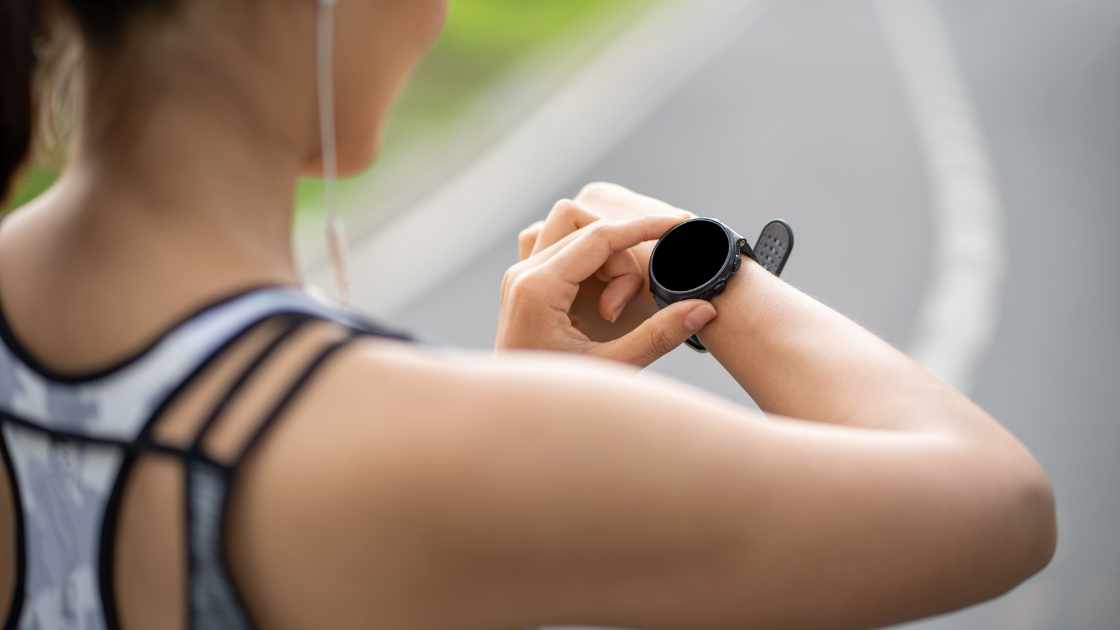

Wearable fitness technology has become an essential part of modern health and wellness routines, blending technology with daily activities to track, monitor, and improve fitness levels. If you’re thinking about diving into the world of fitness wearables, here’s what you need to know:
Wearable Fitness Tech
Types of Wearable Fitness Tech
- Fitness Trackers: Simple devices like the Fitbit or Xiaomi Mi Band that track basic metrics like steps, heart rate, sleep patterns, and calories burned.
- Smartwatches: Devices like the Apple Watch or Samsung Galaxy Watch combine fitness tracking with other features like GPS, notifications, and apps.
- Smart Clothing & Accessories: Innovations such as shoes, shirts, or rings with embedded sensors to track your movement, heart rate, or posture in more detail.
- Heart Rate Monitors: Chest straps or optical sensors that offer more accurate heart rate measurements for serious athletes.
- GPS Running Watches: Devices like Garmin watches are designed specifically for runners, offering detailed stats on pace, route, and elevation.
Key Features to Consider
- Heart Rate Monitoring: Essential for tracking workout intensity, resting heart rate, and overall cardiovascular health.
- Sleep Tracking: Monitors how long and how well you sleep, offering insights to improve recovery and wellness.
- Activity Tracking: Step counts, calories burned, and active minutes give a clear picture of your daily movement.
- GPS: Ideal for runners, cyclists, and hikers who want detailed route tracking and distance accuracy.
- Smart Notifications: Calls, texts, and app notifications directly to your wrist can be convenient but may also distract.
- Battery Life: Some devices need daily charging, while others last for weeks, depending on usage and features.
- Water Resistance: If you swim or sweat heavily, ensure your wearable is water-resistant or waterproof.
- ECG and SpO2 Sensors: Some advanced devices can monitor electrocardiograms and blood oxygen levels, which are helpful for health insights.
How Wearables Can Improve Fitness
- Goal Setting & Motivation: Many wearables encourage daily goals (steps, calories) and offer rewards or reminders to stay active.
- Fitness Analytics: Detailed reports on workout performance help users understand their strengths and areas for improvement.
- Heart Rate Zones: Using heart rate data, wearables can guide you to exercise in the correct zone for fat burn, cardio, or peak performance.
- Personalized Workouts: Some smartwatches and fitness trackers suggest or guide workouts based on your previous activity levels and fitness goals.
- Social Features: Compete with friends or join communities for extra motivation.
Challenges & Concerns
Accuracy: While wearables provide valuable data, they aren’t perfect, especially when it comes to calorie tracking or step counts in specific situations.
Data Privacy: With wearables collecting detailed personal health data, there’s concern over how companies store and use this information.
Price: High-end smartwatches with advanced health features can be costly, while basic fitness trackers are more affordable.
Popular Brands
- Fitbit: Known for affordable and user-friendly fitness trackers with strong community features.
- Garmin: Renowned for GPS accuracy, particularly popular with runners and athletes.
- Apple Watch: A premium option with robust fitness and health features combined with a full smartwatch experience.
- Samsung Galaxy Watch: A strong competitor to the Apple Watch, offering comprehensive fitness tracking with Android compatibility.
- Whoop: Focused on continuous health monitoring and recovery, used often by serious athletes.
Who Benefits Most from Wearable Fitness Tech?
- Beginners: Fitness trackers can be motivating, making it easier to start and stick to a new exercise routine.
- Athletes: Advanced features like heart rate variability, VO2 max, and training load are invaluable for serious athletes looking to optimize their performance.
- Health-Conscious Individuals: Those interested in overall wellness, monitoring sleep, stress, and heart health will benefit from continuous tracking.
FAQ
What is wearable fitness tech?
Wearable fitness tech includes devices like fitness trackers, smartwatches, and smart clothing that monitor physical activities and health metrics such as steps, heart rate, sleep, and calories burned.
How does wearable fitness tech work?
These devices use sensors like accelerometers, gyroscopes, and optical sensors to track movement, heart rate, and sometimes even more advanced metrics like blood oxygen levels. The data is then processed and displayed on the device or synced to a smartphone app for analysis.
How accurate are wearable fitness trackers?
While they provide a good general sense of activity and health metrics, they are not always 100% accurate. Heart rate monitoring and step counting can be reasonably accurate, but calorie burn and sleep tracking may vary depending on the device.
Conclusion
Wearable fitness technology can be a great tool to enhance your fitness journey, offering valuable insights and motivation. Whether you’re a beginner just starting or a seasoned athlete, there’s a device that can cater to your needs. Just remember to consider features, accuracy, data privacy, and budget when selecting the right one for you.