
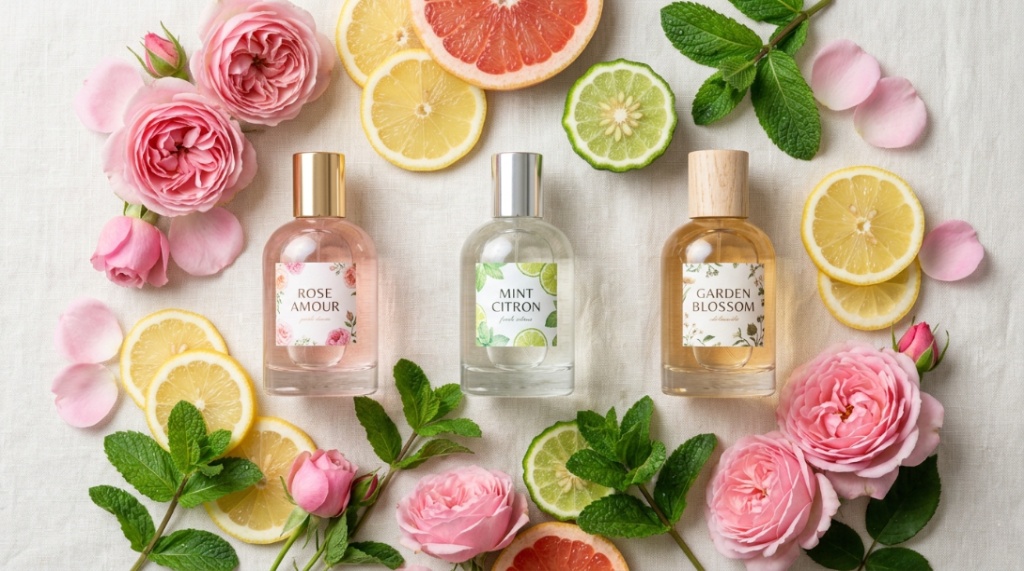
You’re standing in a perfume aisle, overwhelmed by dozens of bottles, when the sales associate asks what you like. “Something floral? Fruity? Fresh?” You freeze because you honestly don’t know the difference. Choosing the wrong scent can mean headaches within an hour or a perfume that disappears before lunch. The good news is that fragrance families are actually simple once you understand the basic building blocks, and knowing how to match them to your personality, season, and occasion transforms shopping from frustrating to fun. Whether you’re selecting your first signature scent or looking for reliable women’s fragrance recommendations, this guide breaks down everything you need to know.
What Exactly Defines a Floral Fragrance?
A floral fragrance is built around the scent of flowers, either as a single bloom or a bouquet of multiple blossoms. These are the most traditionally “feminine” perfumes and range from light and airy to heavy and intoxicating. The defining characteristic is that flower notes form the heart of the fragrance, meaning they are the most prominent part of the scent profile.
Floral fragrances can be divided into two major categories. Soliflores feature a single flower, like rose, jasmine, or tuberose. Floral bouquets blend multiple flowers together for a complex, garden-like scent. You will also encounter floral blends mixed with other notes like green leaves, powder, or spices.
Common Floral Notes You Should Know
- Rose: Romantic, classic, slightly sweet. Works year-round.
- Jasmine: Warm, sensual, almost creamy. Best for evening wear.
- Lavender: Clean, herbal, calming. Great for daytime and work.
- Tuberose: Heavy, heady, very strong. A night-time powerhouse.
- Peony: Light, fresh, watery. Perfect for spring and summer.
- Violet: Powdery, soft, nostalgic. Often used in vintage-style perfumes.
Who Should Choose a Floral Fragrance?
Florals work best if you enjoy classic femininity, prefer romantic or soft aesthetics, and want a scent that feels elegant without being overwhelming. However, be cautious with heavy heady florals like tuberose or gardenia if you are sensitive to strong scents, as they can trigger headaches. Lighter florals like peony, freesia, and lily of the valley are safer for daily wear.
What Makes a Fruity Fragrance Different from Florals?
A fruity fragrance centers on the scent of fruits rather than flowers, creating a sweet, juicy, and often playful aroma. Unlike florals which feel romantic or elegant, fruity perfumes lean toward youthful and energetic. The sweetness comes from natural fruit essences rather than sugar, so they smell fresh rather than cloying when properly formulated.
Fruity fragrances fall into several subcategories. Citrus fruits like lemon, bergamot, and grapefruit bring sharp, zesty brightness. Berry notes such as raspberry, blackcurrant, and strawberry add sweetness with a tart edge. Tropical fruits including mango, pineapple, and coconut create a vacation-in-a-bottle feeling. Stone fruits like peach, apricot, and plum offer softer, creamier sweetness.
Pros and Cons of Fruity Fragrances
| Pros | Cons |
|---|---|
| Highly uplifting and mood-boosting | Can feel too youthful for some settings |
| Excellent for daytime and casual wear | Often have lower longevity than florals |
| Great for warm weather | May come across as immature in professional environments |
| Appealing to people who dislike strong florals | Very sweet blends can become cloying in heat |
When Should You Wear Fruity Fragrances?
Fruity scents shine brightest in spring and summer, during daytime activities, and in casual or social settings. They are perfect for brunch with friends, a day at the park, or a beach vacation. If you are younger or simply young at heart, fruity perfumes help you project energy and approachability. For evening events or formal occasions, consider a fruity-floral hybrid instead of a straight fruity scent.
How Do Fresh Fragrances Compare to Floral and Fruity?
Fresh fragrances are built around clean, crisp, and aquatic notes that mimic the smell of water, air, rain, or freshly cut grass. They are the most subtle and versatile of the three categories, offering brightness without sweetness and cleanliness without heaviness. Fresh scents are often described as “shower-fresh” or “soapy clean.”
The fresh family includes several distinct subfamilies. Aromatic fresh includes herbs like rosemary, basil, and mint. Aquatic fresh evokes ocean breezes and sea salt. Green fresh features cut grass, cucumber, and leafy greens. Citrus fresh overlaps with fruity but focuses on the sharp, bitter, or zesty aspects of citrus rather than sweetness.
Step-by-Step Guide to Testing Fresh Fragrances
- Spray on skin, not paper. Fresh notes evaporate quickly, and paper strips give an incomplete picture.
- Wait ten minutes. The initial alcohol blast can mask the true fresh character. Let it settle.
- Check longevity. Many fresh scents last only 2-4 hours. Spray on moisturized skin to extend wear.
- Test in different weather. A fresh scent that works in humid summer may feel thin in winter.
- Compare dry-downs. Fresh scents often change dramatically as base notes emerge. What starts as lemon may become woody musk after an hour.
Which Fragrance Family Lasts the Longest on Skin?
Floral fragrances generally have the longest staying power, followed by fruity, with fresh scents often disappearing fastest. The longevity difference comes from the molecular weight of the scent compounds. Floral notes like rose, jasmine, and patchouli are heavier and evaporate slowly. Fruity notes, particularly citrus, are lighter and dissipate quicker. Fresh aquatic notes are the lightest of all and typically last only 2-4 hours on most skin types.
However, concentration matters more than fragrance family. An eau de parfum (EDP) will always outlast an eau de toilette (EDT), regardless of whether it is floral, fruity, or fresh. Look for EDP concentrations if longevity is your top priority. Another factor is your skin chemistry. Oily skin holds fragrance longer than dry skin, so if you have dry skin, apply an unscented moisturizer before spraying.
How to Make Any Fragrance Last Longer
- Apply to pulse points: wrists, neck, behind ears, inside elbows
- Layer with matching body lotion
- Moisturize skin before application
- Avoid rubbing wrists together (this breaks down molecules)
- Store perfumes away from heat and direct sunlight
Can You Wear Floral Fragrances in the Winter?
Yes, and certain floral scents actually perform better in cold weather. Heavy florals like tuberose, jasmine, and rose with woody or amber bases are excellent for winter because the cold air helps project them more evenly, and they provide a comforting warmth. The key is matching the concentration to the season. Light floral mists that work beautifully in summer will disappear instantly in winter, so switch to EDP or parfum concentrations during colder months.
For winter, look for floral fragrances that include base notes like sandalwood, vanilla, musk, or amber. These heavier bases anchor the floral notes and keep the perfume performing well. Avoid watery floral scents like peony or lily of the valley in winter as they will feel thin and lack projection in the cold air.
How Do You Test a Fragrance Properly Before Buying?
Testing fragrance correctly saves money and prevents regret. The common mistake of sniffing bottles at the store and buying same-day leads to many returns. Your nose needs time to process scent properly, and skin chemistry changes how a perfume smells compared to paper. Follow these steps for accurate testing.
First, never test more than three fragrances in one session. After three, your sense of smell becomes fatigued and unreliable. Second, always spray on skin, not just paper. The alcohol needs to evaporate for the true scent to emerge. Third, live with the scent for several hours. The top notes disappear within 15 minutes, the heart notes last 2-4 hours, and the base notes remain for 6-8 hours. You need to experience all three stages to know if you truly like the fragrance.
Testing Tips for Each Fragrance Family
- Florals: Test on inner elbow, not wrist, because wrists rub against everything and distort the scent
- Fruity: Test on the front of your neck to catch the sweetness properly
- Fresh: Spray on both wrists and check if you can still smell it after four hours
- All types: Test at least one hour after eating (food scents on your breath affect your perception)
Which Fragrance Is Best for Daily Wear at Work?
Fresh and light floral fragrances are the best choices for professional environments because they are subtle, inoffensive, and unlikely to overwhelm coworkers. Fresh aquatic and green scents signal cleanliness and professionalism without drawing too much attention. Light floral bouquets with notes like peony, freesia, or lavender are also office-friendly. Heavy sweet fruits and intense heady florals can be distracting in close quarters like cubicles or meeting rooms.
A good rule for workplace fragrance is the “arm’s length rule.” If someone standing at arm’s length can smell you, you are wearing too much. Apply one spray to the chest under clothing, which mutes projection while keeping the scent close to you. Save your bold tuberose, vanilla-heavy gourmands, and strong fruity blends for evenings and weekends.
How Can You Match Fragrance to Your Personality Type?
Matching fragrance to personality ensures your scent feels authentic rather than borrowed. If you are outgoing and energetic, fruity and citrus fragrances match your vibrancy. If you are romantic and sentimental, floral scents echo your warmth. If you are clean, minimalist, and organized, fresh aquatic and green scents align with your lifestyle. If you are bold and confident, try heavier florals or fruity-floral hybrids with depth.
There are no rigid rules, but starting with your personality makes choosing easier. Many women end up owning all three categories for different moods and occasions. Your “signature scent” does not have to be one perfume. It can be a pattern of preferences you consistently choose across categories.
Quick Personality-Fragrance Matching Guide
| Your Personality | Recommended Fragrance Family | Example Notes |
|---|---|---|
| Romantic, soft, traditional | Floral | Rose, peony, lavender |
| Energetic, playful, youthful | Fruity | Raspberry, peach, citrus |
| Minimalist, clean, organized | Fresh | Cucumber, green tea, sea salt |
| Bold, confident, dramatic | Heavy floral or oriental | Tuberose, jasmine, vanilla |
| Adventurous, outdoorsy, active | Fresh aromatic or citrus | Basil, mint, bergamot |
Why Does the Same Perfume Smell Different on Me Versus My Friend?
Body chemistry changes how fragrance oils interact with your skin’s pH level, temperature, and natural oils. The same floral perfume can smell sweet and powdery on one person but sharp and metallic on another. This explains why a best-selling fragrance you love on a friend may disappoint when you try it yourself. Factors like diet, medications, skin moisture, and even your menstrual cycle can alter how a perfume wears.
The practical takeaway is that reviews and recommendations are useful starting points, but you must test on your own skin before committing to a full bottle. Fragrance you love on another person may be completely wrong for you. This is also why buying sample sets or travel sizes is wise before investing in expensive full bottles.
When settling on your signature profile, remember that premium houses specialize in balancing these exact notes across their collections. If you want to see how a luxury brand masterfully executes these profiles across every scent family, explore our definitive guide to the Best Bvlgari Perfume in 2026 for Every Occasion to find your next signature bottle.
Is It Okay to Mix Floral, Fruity, and Fresh Fragrances?
Mixing fragrances is perfectly acceptable when done carefully and can create unique personal scents. The key is understanding fragrance families and knowing which ones complement each other. Floral and fruity blend beautifully because sweetness from fruit softens floral intensity. Fresh and floral work well together because crisp notes lift heavier flowers. However, mixing fruity and fresh can create a sharp or sour effect if not balanced properly.
To layer successfully, start with a base of a light fresh scent, then add a floral or fruity fragrance on top. Apply the lighter fragrance first to pulse points, then the heavier one. Alternatively, choose perfumes that are already blended across categories. Many modern fragrances are fruity-floral or fresh-floral hybrids, giving you the best of both worlds without the risk of clashing.
Frequently Asked Questions
What is the most universally flattering fragrance family?
Light floral and fresh fragrances are the most universally flattering because they are subtle, inoffensive, and adaptable to different skin chemistries. Peony, white musk, and aquatic notes work well on most people without triggering headaches or allergic reactions.
How many perfumes should I own for different occasions?
Three to five perfumes is ideal for most women. Aim for one fresh daytime scent, one floral for romantic occasions, one fruity for casual fun, one evening or winter fragrance, and one versatile everyday option. This covers all seasons and events without overwhelming your collection.
Can fruity fragrances be worn by older women?
Absolutely. Fruity fragrances are not age-restricted, but the fruit choice matters. Ripe peach, plum, and blackcurrant feel more sophisticated than candy-sweet strawberry or artificial watermelon. Choose deeper, richer fruit notes for a more mature profile.
Do fresh fragrances work for evening events?
Fresh fragrances can work for evenings if they have strong base notes like musk, amber, or wood. Straight aquatic or citrus fresh scents are generally too light for evening projection. Look for fresh perfumes that develop into warmer base notes as they dry down.
How do I prevent a floral perfume from smelling “old lady”-ish?
Avoid heavy powder notes, excessive violet, and dated rose combinations. Modern floral perfumes blend flowers with clean musk, white tea, or light woods to keep them fresh. Look for words like “modern,” “airy,” or “clean” in the description.
What is the best fragrance family for sensitive skin?
Fresh aquatic and light citrus scents typically have fewer allergenic compounds than heavy florals or complex fruity blends. However, everyone’s sensitivities differ. Always patch test on a small area of skin and wait 24 hours before full application.
How long does a typical perfume last before it expires?
Most perfumes last 3 to 5 years if stored properly away from heat, light, and humidity. Citrus-dominant fresh scents expire fastest and can lose their top notes within 18 months. Heavier floral and oriental perfumes often improve with age if stored correctly.
Conclusion
Choosing between floral, fruity, and fresh fragrances is not about finding one “perfect” category but understanding how each family behaves on your skin, in different seasons, and across various occasions. Floral scents offer timeless romance, fruity brings playful energy, and fresh delivers clean versatility. The smartest approach is to build a small collection with one or two from each family so you always have the right scent for every moment. Start by identifying your personality match, test thoroughly on your skin, and never rush a fragrance purchase. Your ideal perfume is out there, and now you have the framework to find it confidently. If you are looking for budget-friendly starting points, explore women’s fragrance recommendations that offer quality without the designer price tag.