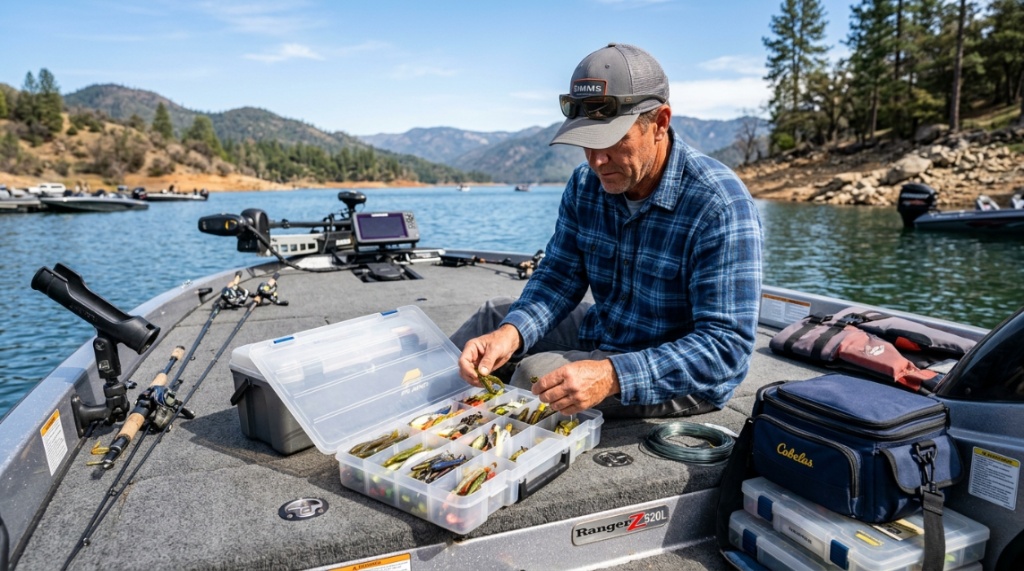
You’ve spent hours studying tide charts, selecting the perfect lures for halibut, and mapping out your next trip to the Sacramento Delta. But when you arrive at the shore, your gear is a tangled mess of hooks and mono, your soft plastics have melted together, and your expensive jerkbaits are rattling loose in a cheap plastic box. Every California angler has faced this frustration. The problem isn’t your fishing skills—it’s your storage system. With California’s diverse environments ranging from rocky coastal jetties to scorching desert bass ponds, you need smart fishing storage California conditions demand. This guide walks you through exactly how to choose storage that protects your investment, saves you time on the water, and adapts to the Golden State’s unique fishing challenges.
What Makes Fishing Storage “Smart” in California?
Why Generic Tackle Boxes Fail in California’s Climate
Smart fishing storage goes beyond just holding your lures. In California, you face extreme temperature swings from the 110-degree heat of the Central Valley to the damp, salt-laden air of the Pacific coast. Standard tackle boxes often warp in the heat, rust quickly in salt spray, and lack the compartment flexibility needed for California’s multi-species fishing. A smart system uses corrosion-resistant materials, airtight seals, and modular dividers that let you reconfigure your setup between trips targeting trout, striped bass, or yellowtail.
Defining Features of an Intelligent Storage System
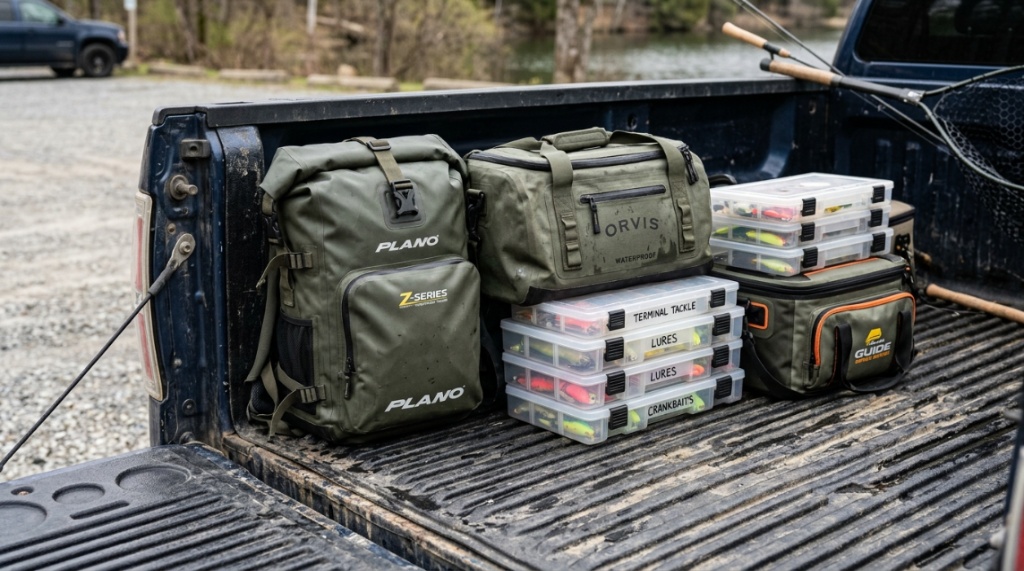
A truly smart storage solution offers three core benefits: protection, organization, and portability. Protection means waterproof or water-resistant construction to shield hooks from salt corrosion. Organization means transparent lids or removable trays so you locate a specific swimbait without dumping everything onto the sand. Portability means fitting comfortably into a kayak hatch, a backpack for surf fishing, or the bed of a pickup truck for a trip to Lake Shasta. Look for materials like polypropylene or ABS plastic that resist UV damage from long hours in the California sun.
How Does California’s Diverse Fishing Environment Affect Your Storage Needs?
Saltwater Considerations for Coastal Anglers
If you fish from piers in Santa Monica, rockfish spots near Monterey, or surf zones in San Diego, you need storage that fights corrosion. Stainless steel hinges and latches are non-negotiable. Avoid boxes with exposed metal rivets. Instead, choose models with molded plastic hinges and rubber gaskets that prevent salt spray from seeping inside. Rinse your boxes with fresh water after every trip, but a smart design minimizes the crevices where salt crystals can hide and cause long-term damage.
Freshwater Demands for Lakes and Rivers
Fishing the California Delta, the Sacramento River, or Lake Berryessa presents a different challenge: mud, algae, and humidity. Your storage should have trays that lift out easily for cleaning. When you’re switching between topwater frogs for bass and small spinners for panfish, you need removable dividers that allow quick reconfiguration. A solid smart storage system lets you dedicate one tray to hard baits and another to soft plastics without mixing them.
Extreme Heat and UV Exposure Protection
Leaving your tackle box in a hot car for an afternoon in Bakersfield or Palm Springs can ruin soft plastic baits and even warp hard baits. Smart storage uses materials with high melting points (above 250°F) and UV-stabilized plastics that won’t become brittle after a season in the sun. Some premium boxes include insulated layers that slow heat transfer, keeping interior temperatures lower for longer periods.
Which Storage Type Is Best for Multi-Species California Fishing?
Utility Boxes for Versatile Anglers
Utility boxes with adjustable dividers are the gold standard for California anglers who target everything from trout to calico bass. They allow you to change compartment sizes depending on the size of your lures. Many models come in stackable configurations, so you can bring one box for freshwater and swap it out for a saltwater tray without carrying an entire bag. Look for boxes that are at least 12 inches long to accommodate larger saltwater lures like surface irons or swimbait hooks.
Backpack Systems for Mobile Fishing
Surf fishermen and kayak anglers in California often need hands-free transport. A fishing backpack with integrated rod holders and multiple tackle trays is an excellent smart storage choice. The best models have waterproof main compartments and a separate padded pocket for your phone or wallet. For the long walks to remote surf spots near Point Reyes, a backpack distributes weight evenly and keeps your hands free for carrying a rod and a net.
Bags and Sleeves for Minimalist Approaches
If you’re targeting trout in small streams or hiking to remote Sierra lakes, a sling bag or waist pack offers smart storage without the bulk. These hold a few trays with your essential lures, a small pliers tool, and a spool of leader. The key is choosing one with a quick-access front pocket for those moments when a bass explodes on a topwater plug and you need to grab a backup lure fast.
How Do You Match Storage Size to Your Fishing Style?
Selecting Dimensions for Car or Kayak Storage
Measure your available space before buying anything. A tackle box that fits beautifully in the store but doesn’t slide under your truck seat or fit in your kayak hatch is useless. For car anglers, a standard 14-inch by 10-inch utility box fits most vehicle trunks and rear seats. For kayak fishing, look for boxes under 10 inches tall to fit inside round hatch openings. Remember that you also need room to open the lid while it’s inside the hatch.
Weight Considerations for Long Walks
A fully loaded tackle box can easily weigh 20 pounds, which is manageable for a short walk from the car to a dock. But for California’s surf fishing spots that require hiking over sand dunes or down bluffs, keep your total storage weight under 10 pounds. Choose a bag with a padded shoulder strap and a waist belt that transfers weight to your hips. Lightweight polypropylene boxes save ounces compared to heavy ABS plastic models.
What Materials Should You Prioritize for Durability?
Polypropylene vs. ABS Plastic
Polypropylene is flexible, resists cracking in cold water, and is lighter weight, making it ideal for soft plastic storage. ABS plastic is harder, more impact-resistant, and better for protecting hard lures like crankbaits from crushing. For saltwater anglers, avoid boxes with metal or fabric components that can rot or rust. An all-polypropylene box with a rubber gasket is often the most durable smart fishing storage California anglers can buy for coastal use.
Corrosion-Resistant Hardware Options
Check the latches and hinges, as these often fail first. Look for stainless steel, brass, or aluminum hardware. Avoid chrome-plated steel, which bubbles and rusts after one season in saltwater. The best smart storage uses over-molded rubber latches that never corrode and provide a tight seal. Some high-end boxes use marine-grade stainless steel that withstands years of exposure to salt fog and ocean spray.
Can Modular Systems Save You Money and Space?
Benefits of Interlocking Trays
Modular systems allow you to start with a single tray and expand as your collection grows. They stack together using interlocking designs and fit inside larger bags or boxes. This is especially useful in California where you might chase bass in the morning and halibut in the afternoon. You can swap trays without emptying your entire bag. Modular systems also make airline travel easier if you fish in Baja or the Bahamas.
How to Build a Starter System Without Overspending
Start with three medium-sized utility trays with adjustable dividers. Add one larger tray for big saltwater lures and one slim tray for hooks, weights, and terminal tackle. When you’re ready to upgrade, consider the most reliable smart fishing storage California options that balance cost and durability for your specific region. This approach lets you spend less than $60 on a foundation that grows with your fishing addiction.
How Do You Organize Soft Plastics Without Melting or Sticking?
Keeping Baits Separated in High Heat
Soft plastics are notorious for melting together when stored improperly. In California’s summer heat, never leave soft plastics in direct sunlight inside a closed box. Use dedicated soft plastic bags with wax paper inserts or specialized plastic tackle boxes that have non-stick dividers. Some anglers use small resealable plastic bags (like snack bags) to separate different bait types before placing them in a tray. This prevents colors from bleeding and keeps plastics pliable.
The Best Compartment Design for Worms and Craws
Choose boxes with deep, narrow compartments for stick baits and flatter, wider sections for creature baits. Avoid cramming too many baits into one section—less is more. A smart approach is to organize by color group: one row for natural greens and browns, another for bright chartreuse and pink. Label the outside of the box with the bait type to avoid opening five compartments to find your favorite senko.
What Accessories Complete a Smart Storage System?
Magnetic Strips and Tool Holders
Adding a magnetic strip to the lid of your tackle box keeps hooks, small jigs, and scissors accessible without digging through trays. Some smart storage boxes come with built-in magnetic panels. For California surf fishing, a tool holder on the outside of your bag keeps your pliers and hook sharpener within reach while you fight a fish in the waves. These small upgrades significantly reduce frustration during a hot bite.
Moisture Control and Silica Gel Packs
Humidity is an enemy of tackle. Place silica gel packets inside your boxes to absorb moisture between trips. Rechargeable silica gel packs can be baked dry and reused. For extreme storage, some California anglers use small battery-powered dehumidifier sticks designed for gun safes inside their larger tackle boxes. This is overkill for most but essential if you store expensive terminal tackle for months at a time. How to balance your budget between investing in durable organization gear and upgrading your tackle setup Affordable Fishing Rod Combos Without Losing Quality for your next coastal trip.
How Much Should You Invest in Fishing Storage?
Budget Options That Still Perform
You can find excellent smart storage for under $30. Brands like Plano and Flambeau offer utility boxes with adjustable dividers, clear lids, and decent durability. These are perfect for freshwater use or lighter saltwater trips where you rinse gear afterward. Avoid the absolute cheapest boxes from dollar stores—they crack in the sun and their latches break within weeks. Spending $20-$30 on a reputable brand is the sweet spot for casual anglers.
When Premium Storage Is Worth the Cost
Professional guides and dedicated tournament anglers in California need storage that lasts years of daily abuse. Premium boxes from brands like Pelican, SKB, or Waterproof Cases use rotomolded construction, heavy-duty gaskets, and locking latches. They cost $80 to $150 per box but offer absolute waterproof protection and a lifetime warranty. If your gear is worth $1,000 or more, spending 10-15% of that on storage is a smart investment. These boxes survive being thrown into a boat deck, left in rain, or accidentally tossed overboard (though they float!).
Frequently Asked Questions
Can I use any tackle box for saltwater fishing in California?
No, you need a box designed for saltwater. Look for models with non-corrosive hardware, rubber gaskets, and all-plastic construction. Boxes with metal hinges or latches will rust quickly in California’s coastal salt spray.
How often should I clean my fishing storage?
After every saltwater trip, rinse the entire box with fresh water and dry it thoroughly. For freshwater, clean your boxes at least once a month or whenever you notice mud, algae, or moisture buildup. Deep clean with mild soap and water every season.
What size tackle box is best for California surf fishing?
A medium-sized backpack or sling bag that holds 2-4 tackle trays is ideal for surf fishing. It keeps your hands free and carries enough lures for a long beach walk. Choose one with a waterproof main compartment and a padded shoulder strap.
Does smart fishing storage help with airline travel?
Yes, many modular systems are TSA-friendly. Use clear, small trays for checked bags and avoid carrying large metal hooks in carry-on luggage. A compact modular system fits easily into a standard suitcase.
How do I prevent my soft plastics from melting in the car?
Never leave soft plastics in a closed tackle box inside a hot car for more than an hour. Carry them in a separate cooler bag with an ice pack during summer trips, or store them in your home garage until you arrive at the water.