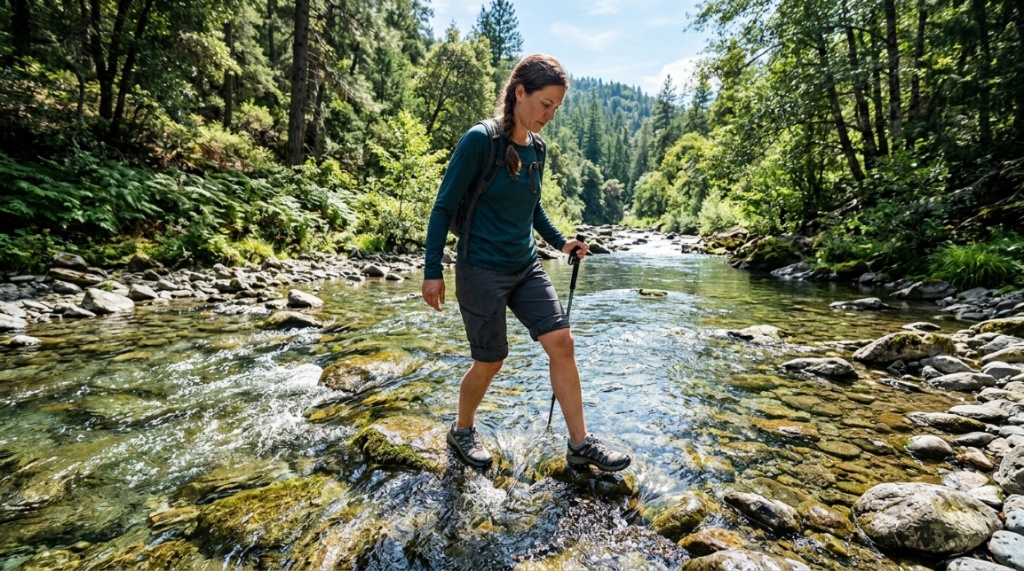
Picture this: you’re standing on a rocky lakeshore, ready to wade in, but the stones are sharp, the bottom is slippery, and the sand is boiling hot. You hesitate. Your lake day is about to be ruined before it even starts. This is the exact problem that makes choosing the right footwear essential. The solution isn’t a heavy boot or a flimsy flip-flop; it’s a pair of dedicated swim shoes for lakes and rivers. These aren’t just accessories—they are your safety gear and comfort system for unpredictable aquatic terrain. In this guide, we’ll break down exactly how to pick the perfect pair, so you can step confidently into any water body without a second thought.
What Are Swim Shoes for Lakes and Rivers and Why Do You Need Them?
Swim shoes for lakes and rivers are lightweight, quick-drying footwear designed specifically to protect your feet on wet, uneven, and slippery surfaces. Unlike regular sneakers, they are built to drain water instantly and provide superior grip on submerged rocks. They are the essential bridge between you and the rugged underwater environment.
Defining the Essential Footwear
These shoes are typically made from neoprene, mesh, or synthetic rubber. The construction focuses on flexibility and drainage. You need them because lakebeds are rarely smooth. Hidden hazards like broken glass, zebra mussels, sharp sticks, and algae-covered rocks can cause serious injuries. A good pair creates a protective barrier without weighing you down.
The Primary Difference Between Water Shoes and Regular Shoes
Standard sneakers absorb water, become heavy, and take days to dry. They also offer poor traction on wet surfaces. Swim shoes, however, are engineered with perforated soles and hydrophobic materials. This design allows water to escape with every step, reducing blisters and maintaining grip. Wearing regular shoes in water is dangerous; wearing swim shoes is smart.
Protection Beyond the Shoreline
Your feet are vulnerable even out of the water. Portages, rocky trails, and boat ramps are all part of the river experience. A quality pair of swim shoes offers protection both in the water and on land. They act as a versatile piece of gear, eliminating the need to constantly change footwear, which is a huge advantage for kayakers and hikers.
Which Features Matter Most for Rocky and Slippery Terrain?
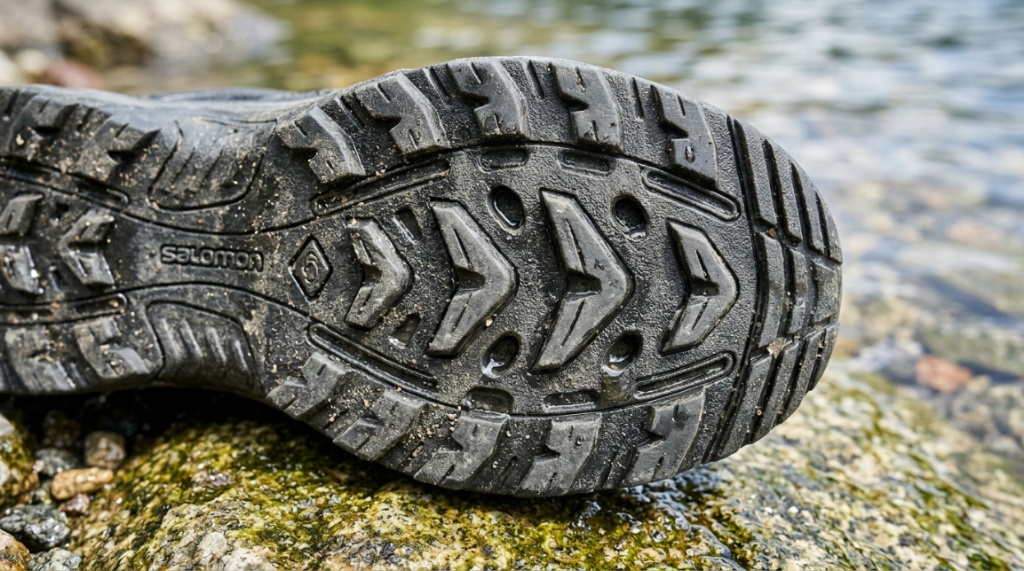
When selecting footwear for lakes and rivers, the outsole is your primary concern. You need a rubber sole with aggressive lugs or a sticky compound that grips wet surfaces. Drainage holes and a secure fit system are the next critical factors to prevent sand and debris from ruining your swim.
Sole Grip and Traction Patterns
Look for shoes with “aqua stop” or “siping” technology. These are small slits in the rubber that channel water away from the contact patch, increasing friction. A sole with multi-directional lugs is best for mossy rocks, as they provide grip in both forward and lateral movements. Avoid smooth-bottomed shoes for these environments.
Drainage and Drying Capability
The ability to shed water is crucial. Shoes with large drainage eyelets or mesh uppers allow water and sand to escape quickly. Neoprene liners help retain a bit of warmth in cold rivers, while open mesh is better for hot summer lakes. Your choice depends on the water temperature you expect to encounter.
Secure Fit and Heel Support
Ill-fitting shoes cause blisters, especially when wet. The best models feature an elastic cord lock system or a velcro strap at the heel. This “second skin” fit prevents slippage and keeps your foot stable on angled surfaces. Ensure there is no dead space around your arch or heel before you purchase.
How Do You Determine the Right Size and Fit for Water Shoes?
Sizing for swim shoes differs from normal footwear. Most brands recommend going up a half size when your feet will be in wetsuit socks or if you prefer extra toe room. The shoe should feel snug but never tight, because wet feet will swell slightly. A proper fit prevents heel lift and cramping.
Measure Your Feet Like a Pro
Trace your foot on a piece of paper at the end of the day when your feet are largest. Measure the length and width. Compare these numbers to the manufacturer’s size chart, not your usual shoe size. Since brands vary, always check the specific “last” of the shoe. Some run narrow, others wide.
Testing the Snugness
If possible, try the shoes with the socks you plan to wear. A good test is to kick your foot forward; your toes should not jam into the front. Then, try to lift your heel. If the heel rises more than a quarter inch, the shoe is too loose. These shoes should feel like a glove, holding your foot firmly in place.
Adjusting for Wetsuit Socks
If you kayak in cold water, you may require 2mm to 3mm neoprene socks. In this case, you must size up. Adding the volume of the sock changes the fit completely. A tight shoe over a neoprene sock will restrict circulation, making your feet colder than they would be without the shoe.
Are Expensive Swim Shoes Worth the Investment or Are Budget Options Fine?
Yes and no. Expensive shoes often use higher-quality rubber and more durable stitching, making them last longer and perform better on extreme terrain. However, many budget options are perfectly fine for casual swimmers and warm-water lakes. The decision depends on frequency of use and the harshness of the terrain.
Pros and Cons of Budget Shoes
- Pros: Affordable, easy to replace, suitable for pool use and sandy bottoms.
- Cons: Often wear out quickly, less supportive, may have weak glue joints that fail.
Pros and Cons of Premium Models
- Pros: Superior grip, better materials, excellent warranty, replaceable insoles.
- Cons: High cost, may be too heavy for minimalists.
For occasional lake visits, a budget shoe below $30 will work. For serious river trekking, consider a mid-range option that offers a balance of durability and cost. Look for sales on last year’s models to get high-end features for less.
Where to Find Reliable Options
If you are searching for durable and affordable options, you might want to explore top-rated gear that won’t break the bank. Many retailers now offer a wide selection of swim shoes for lakes and rivers that balance quality with price. Always read reviews regarding the sole bond quality and whether the shoe dries quickly in real-world use.
Why Are Enclosed-Toe Swim Shoes Better Than Open-Toe Sandals?
Open-toe sandals expose your toes to stubbing, sharp rocks, and biting insects. Enclosed-toe swim shoes offer 360-degree protection. While sandals offer ventilation, the safety trade-off is significant. For rivers and lakes, protection is paramount, making enclosed shoes the superior choice.
The Safety Argument for Toe Coverage
Stepping off a boulder into a hidden gap is a common river injury. With open-toe shoes, a falling rock can slice your skin. Enclosed models have reinforced toe caps made of thick rubber. This prevents injuries that could end your trip and require urgent medical attention.
Debris Exclusion and Sand Management
Sandals allow gravel and pebbles to enter easily, causing discomfort. Swim shoes with snug uppers and tight ankle collars prevent large particles from entering. While smaller sand grains may get in, they are flushed out quickly. This keeps your feet comfortable for longer periods.
Thermal Regulation in Cold Water
In cold mountain streams, open-toe shoes offer zero insulation. Enclosed shoes, especially those lined with thin neoprene, provide a slight thermal barrier. This keeps your feet functional even in chilly conditions, which is crucial for safety in preventing cold shock and numbness, For maintenance tips on your other footwear after outdoor adventures, check out our guide on how to clean white Converse shoes.
How Do You Care For and Extend the Life of Your Water Shoes?
Proper maintenance can double the lifespan of your swim shoes. The most common killer of these shoes is leaving them damp in a hot car, which causes adhesives to degrade. Rinse them with fresh water after every use, especially if you’ve been in salt water or muddy lakes.
Rinsing and Drying Best Practices
After your trip, remove the insoles and rinse both the shoes and insoles with clean water. Squeeze out excess water with a towel, then let them air dry in the shade. Avoid direct sunlight and dryers, as heat warps the rubber and delaminates the upper from the sole.
Deodorizing and Deep Cleaning
Use a solution of mild soap and water to scrub the interior. For stubborn odors, sprinkle baking soda inside and leave overnight. You can machine wash on a cold gentle cycle using a laundry bag, but this should be done rarely as it can stress the materials.
When to Replace Your Swim Shoes
Check the tread depth regularly. If the lugs are worn flat, the grip is compromised. Also, look for cracks in the rubber or peeling of the sole. Once the structure starts to fail, your risk of slipping increases dramatically. Replace them to ensure your safety.
Can You Use Surf Shoes or Pool Shoes for River Trekking?
Yes, you can use them, but they are not ideal for river trekking. Surf shoes are designed for riding waves on a board; they have thinner soles and less ankle support. Pool shoes are often made of thin mesh and offer minimal traction. For long river walks, dedicated aquatic trekking shoes are better.
The Differences in Outsole Firmness
Surf shoes are flexible enough to feel the surfboard. River shoes are stiffer to protect against sharp edges of rocks. Walking on land in soft surf shoes is uncomfortable. The hard rubber of a river shoe provides the necessary foot armor, while still being flexible enough to walk naturally.
Ankle Coverage and Support
Surf and pool shoes typically have a low-cut, slipper-like profile. This exposes your ankle to scrapes and lacks support on uneven terrain. River shoes often have a higher collar or a secure heel strap. This added support reduces the risk of ankle rolls when carrying a kayak.
The Bottom Line for Versatility
If you plan strictly to stand on a sandy lake bottom, pool shoes are fine. However, if you are jumping off rocks, wading in current, or portaging, you need the safety features of a dedicated river shoe. Choose gear based on your activity to avoid injury and discomfort.
What Is the Best Time to Wear Swim Shoes in a Lake or River?
You should wear them from the moment you leave the shore until you are completely out of the water. This includes entering, swimming, and exiting. The most common injuries happen during entry and exit, where the bottom is rarely visible. Wearing them at all times eliminates this risk window.
Scouting Hidden Hazards
Even if the water looks clear, sudden drop-offs and sharp objects lurk beneath the surface. Waves and currents stir up sediment, reducing visibility. Shoes protect against stumbling into a hidden branch or an unexpected rock ledge. This is especially important for children who are less aware of their footing.
Protection During Water Sports
If you are involved in paddleboarding, tubing, or wakeboarding, these shoes offer board grip and foot protection. Landing in the water after a fall is safer with footwear. They also keep your feet warm and prevent sunburn on the tops of your feet during long days on the water.
Late Season Versus Early Season
In spring, rivers are high and fast, making trails slippery. In autumn, leaves cover the rocks, hiding gaps. During these times, swim shoes are not optional; they are a critical safety tool. In the heat of summer, they provide benefits too, like preventing painful blisters from hot sand and abrasive rocky shores.
Frequently Asked Questions
Do I need socks with swim shoes?
No, most swim shoes are designed to be worn barefoot. The linings are smooth and anti-microbial. If the shoes tend to rub, you can wear thin water socks, but this is usually unnecessary.
Can swim shoes be used for hiking?
Yes, for short distances and mostly wet trails. They lack the arch support and cushioning for long hikes on dry terrain. Use them for approaches and portages, but switch to proper hiking boots for long treks.
How do I stop sand from getting into my swim shoes?
Choose models with a tighter mesh weave and a gusseted tongue. You can also wear neoprene gaiters that cover the ankle opening. Rinsing your feet off before putting on the shoes helps reduce the initial intake.
What is the difference between water shoes and aqua socks?
Aqua socks are thin, like a sock, with a slight rubber sole. Water shoes have a firmer, lugged sole and sturdy upper. Aqua socks are for the beach, while water shoes are for rough rocks and rivers.
Are swim shoes suitable for saltwater?
Yes, but they need immediate rinsing with fresh water. Salt crystals can damage the glue and corrode metal eyelets. Regular fresh water rinsing preserves the elasticity of the rubber and the integrity of the seams.
How long should swim shoes last?
With moderate use, a quality pair should last 1-2 seasons. Frequent use on abrasive surfaces like granite will shorten this. If you notice the sole separating or tread flattening, it’s time for a new pair.
Can I machine wash my swim shoes?
Yes, on a cold, gentle cycle. Place them in a mesh laundry bag to protect the velcro and eyelets. Air dry them afterward, away from heat. Do not put them in the dryer.
Conclusion
Choosing the right swim shoes for lakes and rivers is about balancing protection, grip, and comfort. You need a shoe that drains well, fits snugly, and has an aggressive outsole to keep you upright on slippery rocks. Remember to prioritize enclosed toes and firm soles for safety. Whether you are a casual swimmer or a whitewater enthusiast, the right pair of shoes ensures that your focus remains on the beauty of nature and not the pain on your feet. Don’t wait for an injury to happen—assess your current gear and upgrade to a pair that offers true aquatic protection. Step onto the shore with confidence, and make your next trip the most comfortable yet.