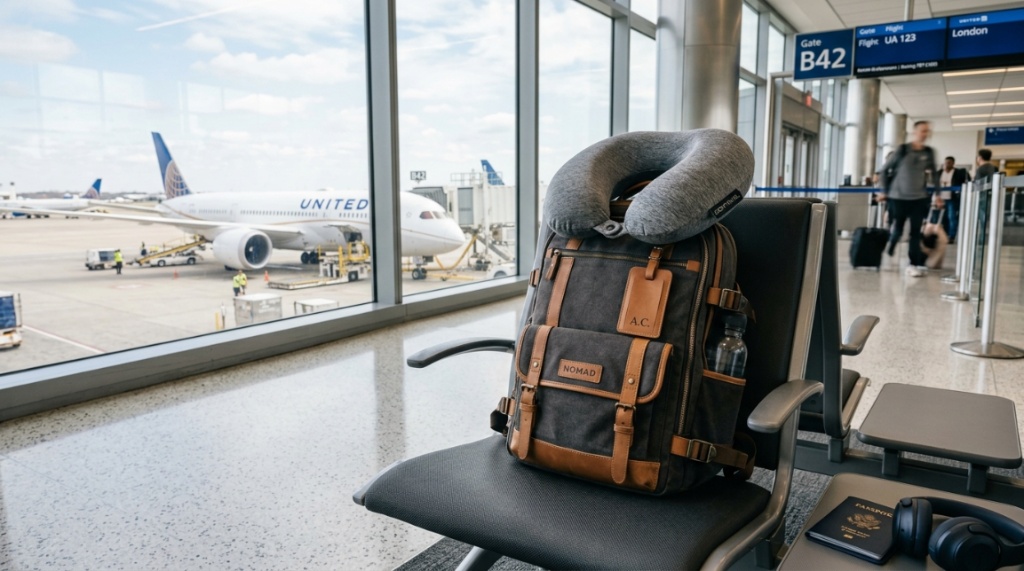
You know the feeling: you’ve finally buckled in, the engine hums, and you’re ready to sleep. But after 20 minutes, your neck is throbbing, and your head keeps falling forward like a ragdoll. The culprit? A poor-quality travel pillow that offers zero support. Finding the best air travel neck pillow isn’t just about comfort; it’s about protecting your cervical spine and arriving at your destination without a stiff neck. This guide cuts through the marketing noise to help you choose the perfect inflatable or memory foam companion for your travels.
Why Does the Right Air Travel Neck Pillow Matter More Than You Think?
Waking up with a “travel neck” is a common misery. The right pillow prevents your head from dropping into awkward angles, which can strain muscles and misalign your spine. A good pillow also promotes better blood circulation and reduces the risk of deep vein thrombosis (DVT) on long-haul flights. In short, it’s a small investment with massive returns for your well-being.
The Hidden Dangers of a Poorly Designed Pillow
Most standard U-shaped pillows push your head forward, creating a “chin tuck” that strains the front neck muscles. Over a 10-hour flight, this can lead to severe muscle spasms and headaches. A quality pillow, however, supports the cervical curve, keeping your ears aligned with your shoulders.
How the 2026 Sleep Science Changed the Game
Recent ergonomic research emphasizes the 4-point support system: neck (cervical), chin, side, and occipital (back of the head). Modern designs are no longer just “donuts.” They are contoured to fit the specific gap between your neck and the headrest, which is crucial for maintaining a neutral spine while seated.
Can an Inflatable Pillow Really Match the Comfort of Memory Foam?
Yes, but only if you use it correctly. For years, inflatables had a “cheap” reputation, but technological advances in 2026 have changed the game. The key is adjustability—an inflatable allows you to control the firmness infinitely, whereas memory foam offers a fixed but plush support. The choice depends on your preference for firmness versus softness.
When to Choose Inflatable: The Solo Traveler’s Secret
Inflatable pillows are the undisputed champions of packability. They compress to the size of a water bottle, making them perfect for backpackers and minimalist travelers. Furthermore, they allow you to personalize the pressure, ensuring the pillow is exactly as firm as you need, regardless of the seat’s recline angle.
- Pros: Ultra-portable, adjustable firmness, easy to clean.
- Cons: Requires inflation, best air travel neck pillow options often have a “plastic” feel if not premium.
Why Memory Foam is Stil the Gold Standard for Sleepers
Memory foam absorbs the pressure points and provides a cloud-like feel. It is ideal for long-haul flights where you want deep sleep. The downside is the bulk—carrying a foam pillow is annoying—but many designs now include a compression travel bag that reduces the volume by 60%.
- Pros: Superior softness, contouring support, no inflation required.
- Cons: Bulky, retains heat, harder to clean.
What Makes a Neck Pillow “Airplane-Grade” for Economy Seats?
Economy seats have a unique challenge: they lack the deep headrests of business class. The best air travel neck pillow for economy must bridge the gap between the seat and your neck. Look for a pillow with a higher back (occipital support) that fills the void between your head and the seat top.
The Crucial Role of the Closure Mechanism (Clasp vs. Velcro)
The closure keeps the pillow positioned, but it also affects comfort. Velcro is infinitely adjustable but can catch your hair. Magnetic closures are elegant and strong, but they can interfere with pacemakers (though rare). The new snap-fit buckles are the sweet spot—they are secure, quiet, and do not scratch your neck.
Why the “Chin Support” Design is Non-Negotiable
If the pillow doesn’t support your chin, your head will still tilt forward. Look for a “wrap-around” design that curves under the chin. This acts like a hand holding your head up. A simple U-shape is often insufficient because it only supports the sides of the neck, not the front.
| Feature | Why It Matters | Red Flag |
|---|---|---|
| Chin Support | Prevents head bob | Pillow is flat at the front |
| Height at Back | Fills seat gap | Thin in the back |
| Adjustable Firmness | Custom comfort | One-size-fits-all |
How to Choose the Right Size for Your Body Type?
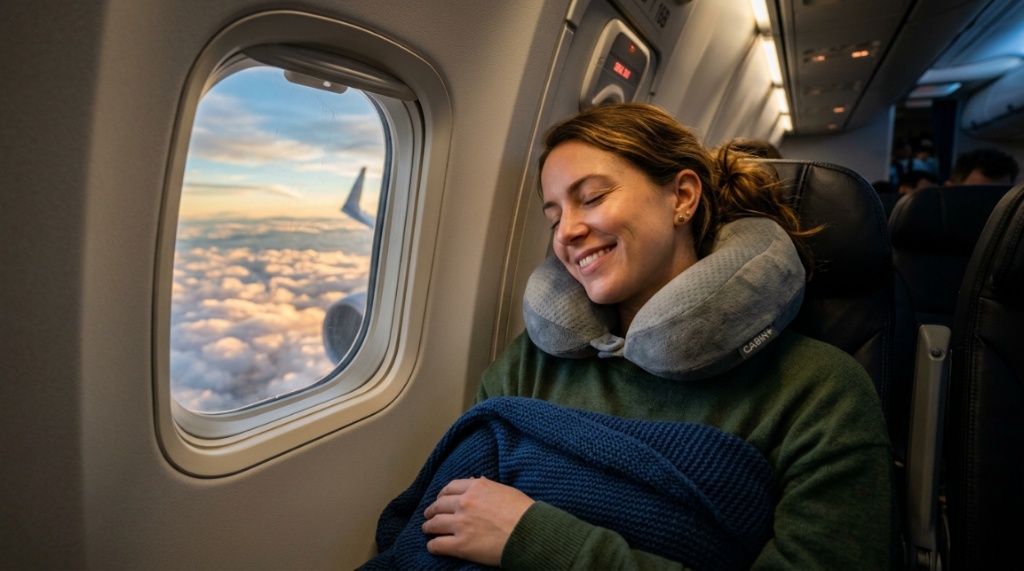 A universal-size pillow is a myth. If you have a long neck, you need a taller pillow; if you have a shorter neck, a bulky pillow will push your head forward. Measure the distance from your shoulder to your ear. Add 1 inch to that measurement to find your ideal pillow height when compressed.
Petite Travelers: Avoid the “Float” Effect
If you are under 5’4″, oversized pillows can lift your head off the seat, causing strain. Look for “compact” or “slimline” versions. These are specifically designed with a smaller curvature and a shorter height, ensuring your head stays centered over your spine.
Tall Travelers: The “Lumbar” Hack for Your Neck
Taller individuals (above 6 feet) often need the pillow placed slightly lower, closer to the shoulder blades. Choose a pillow with a lower cut-out at the back that allows it to sit flush against the seat. Avoid thick memory foam bases that push your head too far forward,ooking to upgrade your sleep routine beyond your travels? For sustainable comfort at home, check out our guide to help you Switch to Eco-Friendly Sleep with LOFE Buckwheat Pillow.
Which Fill Material Survives a Decade of Travel (2026 Test)?
After 100 flights, the “microbead” fill clumps, and cheap memory foam flattens. The new era uses Open-Cell Memory Foam or Nylon-Coated Inflatables. Open-cell foam breathes better, preventing neck sweat, while coated nylon inflatables resist punctures better than PVC.
The “Squeeze Test” to Determine Quality
Press your fist into the pillow. If it takes 3–5 seconds to spring back, it’s high-density. If it springs back instantly, it’s too stiff. If it doesn’t spring back at all, it will flatten during your flight. This test quickly separates premium materials from cheap ones.
Hypoallergenic and antimicrobial covers
Airplane seats are covered in bacteria. A pillow cover that is removable and washable is mental peace. In 2026, many top brands use woven bamboo or silver-ion-infused fabrics that actively kill microbes. This reduces the risk of skin breakouts and respiratory irritation during long flights.
When Should You Replace Your Old Travel Pillow?
If you start waking up with pins and needles in your arms, it’s time to replace your pillow. The general rule of thumb is every 2–3 years for foam, but for inflatables, replace them immediately upon noticing any air leakage or seam separation.
Deflation Test: The Bite Method
For inflatable pillows: Inflate it fully. Press your mouth to the valve. If you hear any hiss, throw it away. Even a micro-leak will cause you to wake up with your head touching the tray table at 30,000 feet.
Foam Discoloration and Heat Retention
When yellow spots appear on the foam, it is absorbing moisture and sweat. This breaks down the cellular structure. Once the foam becomes sticky or disintegrates, it’s not just uncomfortable—it’s unsanitary.
How to Inflate Your Pillow Like a Pro (The 80% Rule)
Do not fully inflate! Inflate to 80% capacity. This leaves room for the air to shift and adapt to your movements. A rock-hard pillow acts like a brick and will cause jaw pain. After inflating, zip the valve closed *while* holding the pillow against your chest to seal the pressure properly.
Why Manual Inflation Beats Built-in Pumps in 2026
Built-in pumps are heavy and often break. Manual inflation takes 10 seconds and saves weight. The new “one-way pressure valve” ensures you don’t lose air while inflating. Don’t waste money on electric pumps; they are a gimmick.
The “Rolling” Deflation Technique
To pack your pillow quickly, fold it in half and press down on the valve while rolling it upward. Start from the bottom and push air out. Press the valve shut *before* letting go. This creates a vacuum seal that makes the pillow tiny.
Is the “Tie-On” Style Better Than the Standard Wrap?
No. The tie-on style (with straps that attach to the seat) has been proven ineffective. Head straps dangerously restrict your range of motion. If you need to sneeze or cough suddenly, your neck muscles contract, and a tied-down pillow prevents your head from moving naturally, leading to whiplash-like injuries.
Why Home-Based Pillows Don’t Belong on Planes
Your bed pillow is too wide for the headrest. It pushes your neck forward. Specifically designed travel pillows have a “beveled” front edge that allows your jaw to fall forward slightly, mimicking your natural sleeping posture at home.
The “Side-Sleeper” Adaptation
If you are a die-hard side sleeper, look for a pillow with a longer side wall. This allows your shoulder to fit comfortably underneath while the pillow supports your head. Standard pillows force you to lean into the aisle or window.
How to Clean and Maintain Your Neck Pillow to Extend Its Life?
Always spot clean with mild soap and water. Never machine-wash memory foam—it destroys the cell structure. For inflatables, wipe them with a disinfectant wipe after every trip, as the surface contacts the airplane’s headrest.
The Vinegar Bath for Deodorizing Foam
Mix one cup of water with 2 tablespoons of white vinegar. Dab the surface of the foam with this solution to kill odor-causing bacteria. Let it air dry completely for 24 hours before packing. This prevents mold in the thick foam.
Valve Maintenance for Inflatables
Salt and sand can jam the flap valve. Blow a burst of air into the valve to clear debris. If the valve sticks, rub a tiny amount of silicone lubricant on the flap. This ensures a tight seal for your next flight.
Budget vs. Premium: Is the Expensive Pillow a Marketing Scam?
No, but you can get excellent value at $25. The price jump is usually for the fabric (bamboo vs. polyester) and the warranty (1 year vs. lifetime). A $15 pillow with good foam is better than a $60 pillow with a stylish logo but poor ergonomics. Focus on the foam density, not the brand.
Where You Should Spend Your Money
Spend on the cover material and the clamp. A premium cover feels cold and smooth, reducing neck sweating. A strong clamp prevents slipping. Spend on the structural aspects; skip the extra pockets and sleep masks that inflate the price.
The “Test Flight” Method at Home
Bring the pillow to your couch. Sit upright, place the pillow around your neck, and close your eyes for 15 minutes. If you feel any pressure on your throat or a gap at the back, adjust it now. If you can’t get comfortable at home, you won’t be comfortable in the air.
Frequently Asked Questions
Can a travel pillow help with neck surgery recovery?
Yes, a firm inflatable pillow is often recommended post-op to immobilize the neck. However, you must consult your surgeon before using any device that limits mobility. The adjustable air pressure allows you to find a safe, neutral position that reduces strain on surgical sites.
Is it weird to bring a neck pillow on a business trip?
Absolutely not. In 2026, ergonomics are seen as a professional necessity. It is smarter to arrive with a straight neck than to appear tough with a sore back. It saves you from being groggy during meetings and shows you care about your health metrics.
Can I use a travel pillow while sleeping in a car?
Yes, but be careful. The typical U-shape is fine, but the wrap-around chin support can be dangerous in a car if it restricts your ability to turn your head during cross-traffic checks. Use it only when parked or as a passenger on a long highway stretch where you don’t need to check blind spots often.
Does a travel pillow stop snoring?
Sometimes. Snoring is often caused by the jaw falling backward. A neck pillow that provides firm chin support (the wrap-around style) keeps the airway open by preventing the tongue from blocking the throat. It works for travel, but it’s not a treatment for sleep apnea.
Why does my jaw hurt after using a travel pillow?
Because you probably have a “donut” pillow that supports too much under the jaw. The pressure is compressing the temporomandibular joint (TMJ). Switch to a pillow with a recessed groove at the front or a taller side support that keeps the weight off your jaw bone.
Which is better: Inflatable or foam for a 15-hour flight?
For a 15-hour flight, premium memory foam is best. The constant adjustability of an inflatable means you’ll be messing with the valve every hour. Foam provides consistent support for long durations. However, if you pack light, a high-quality inflatable with a velvet cover is the second-best choice.
What is the lifespan of an inflatable travel pillow?
With proper care, a good inflatable will last 2–3 years if used monthly. The seal usually fails around the weld lines. Never over-inflate, as this creates pressure on the seams. Deflating it and storing it flat also extends its life.
Conclusion: Your Ticket to a Pain-Free Flight
Picking the best air travel neck pillow is not about buying the most expensive one—it’s about matching the design to your sleeping style and seat constraints. Prioritize chin support, a high back to fill the seat gap, and a fabric that breathes. Test every pillow as you would shoes: walk around, bend, and simulate sleep. Your neck carries your head every day; give it the support it deserves at 35,000 feet. Remember to check the warranty and return policy before you buy. Now, go book that flight and sleep like a baby.