
Key Takeaways
- New Jersey Shore communities can feel very different even when they are only a short drive apart.
- A realistic comparison includes taxes, insurance, maintenance, parking, and possible association costs, not just the purchase price.
- Visiting during different seasons and times of day can reveal traffic, noise, parking, and access conditions that a single showing may not show.
- Flood exposure and insurance should be reviewed early, particularly for homes near the ocean, bay, river, or low-lying areas.
- The best community is the one that supports your intended lifestyle, budget, and ownership horizon.
Buying along the New Jersey Shore is not simply a search for the right house. It is a decision about how you want to spend weekends, manage a commute, handle seasonal changes, and plan for ownership costs that can vary widely from one coastal community to the next. For buyers evaluating Rumson, Monmouth County, and nearby coastal areas, Rumson, NJ, real estate experts Ten Hoeve Realty Group, now represented by Ten Hoeve Advisory, offer home-search tools, valuation resources, neighborhood information, and buyer guidance across Monmouth County and other New Jersey markets. That local perspective can help buyers look beyond listing photos and compare communities according to daily needs, property characteristics, and long-term plans.
Why the New Jersey Shore Is Not One Market
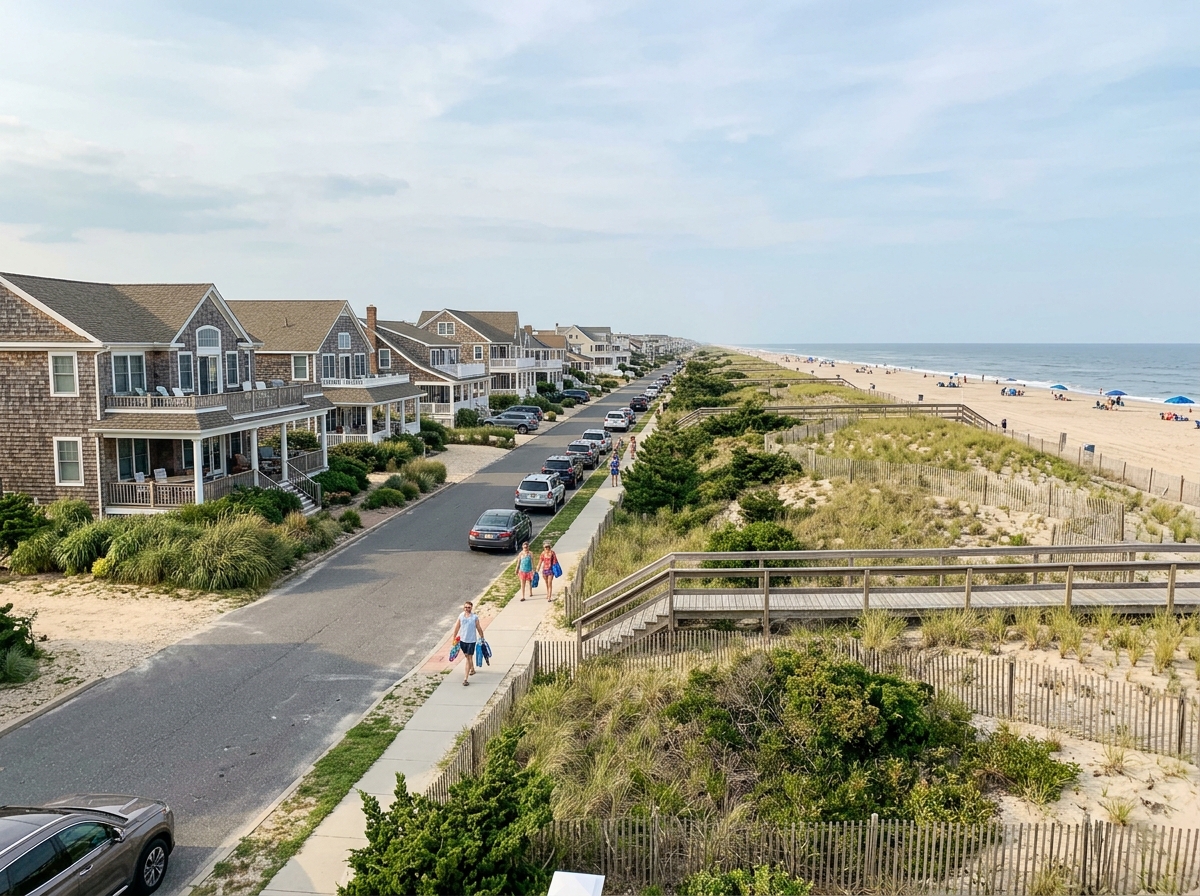
The Jersey Shore includes a long stretch of coastal communities with distinct housing patterns, downtowns, shore access, and year-round rhythms. A buyer considering Rumson may be comparing riverfront streets and established residential neighborhoods with more ocean-oriented towns, active boardwalk areas, marina communities, or barrier-island locations. Those differences affect more than atmosphere. Nearby towns may offer different home styles, lot sizes, public transportation options, beach access rules, school arrangements, local services, and seasonal activity. A quiet residential street in winter can have a very different feel when summer visitors, beach traffic, and weekend events return.
Start With Lifestyle, Not the Listing
Before saving listings, define how the property will actually be used. A household seeking a full-time home near work, schools, and everyday services may prioritize different features than a buyer planning occasional summer stays or a future retirement home.
Questions to Ask Before Narrowing the Search
- Will the home be used year-round, seasonally, or partly as a rental?
- Do you want a walkable downtown, waterfront access, a larger yard, or a quieter residential setting?
- How important is proximity to the beach, bay, train station, major roads, or family members?
- Will children, guests, or older relatives need convenient parking and easy entry?
- Would you rather be near restaurants and recreation, or farther from peak-season activity?
Write down three non-negotiable lifestyle needs and three preferences. This helps prevent an attractive kitchen or water view from distracting you from practical priorities.
Compare Communities by Housing Type
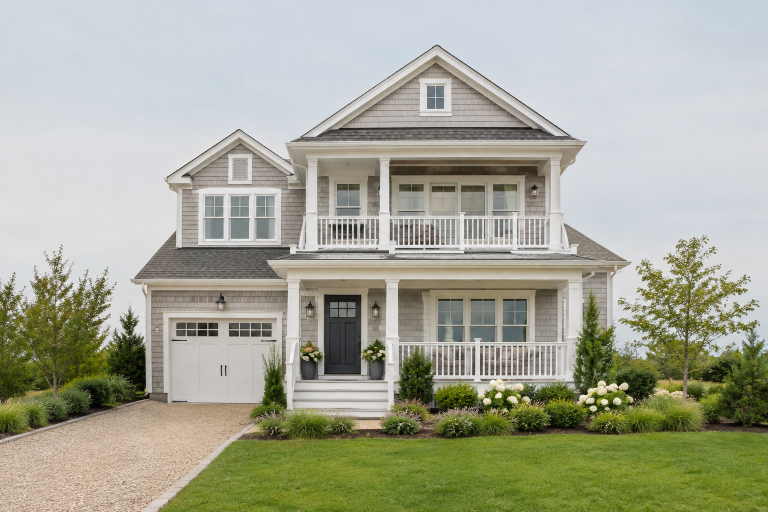
Housing stock varies substantially throughout coastal New Jersey. One community may have older cottages and traditional homes, while another has condominiums, townhomes, recently built residences, or larger waterfront properties. Comparing similar property types makes the search more useful.
- Older shore homes: These may offer character and established locations, but buyers should budget for inspections, repairs, and updates to major systems.
- New construction: Newer systems and finishes can reduce immediate projects, though the purchase price may reflect those features.
- Condos and townhomes: Shared exterior maintenance can simplify ownership, but association fees, financial documents, rules, and planned assessments deserve careful review.
- Waterfront homes: Water access and views can be compelling, while exposure, drainage, insurance, docks, bulkheads, and exterior upkeep may require additional due diligence.
Build a Realistic Cost Comparison
Two homes with similar asking prices can have very different monthly and annual costs. Create the same ownership worksheet for every serious contender rather than estimating costs only after you fall in love with a property.
Include These Costs in Every Comparison
- Mortgage principal and interest.
- Property taxes.
- Homeowners, wind, and flood insurance quotes where applicable.
- Condominium or homeowners association fees.
- Utilities, landscaping, snow removal, pest control, and seasonal services.
- Expected repairs, renovations, and exterior maintenance.
- Parking permits, beach badges, storage, or marina-related costs if relevant.
Ask for current tax information, association documents, and insurance estimates early enough to adjust your target price range. A property that fits the down payment may still strain the household budget if recurring costs are higher than expected.
Check Flood Risk and Insurance Early
Coastal buyers should make flood and water-related diligence part of the first review, not a last-minute task. Start with the property address, ask about prior water intrusion and mitigation work, and use the FEMA Flood Map Service Center to review mapped flood information.
Useful Due Diligence Questions
- Is the property mapped in a flood zone, and does the lender require flood insurance?
- Has the home experienced water damage, flooding, or drainage problems?
- Are elevation certificates, surveys, inspections, or mitigation records available?
- What protective features, if any, are already in place?
- What do preliminary homeowners and flood insurance quotes show?
- Could local requirements affect future renovation, elevation, or expansion plans?
Test Commute and Daily Access
Map distance is not the same as travel time. Test the routes that matter most, including trips to work, school, grocery stores, medical care, train stations, and family. If the home will be used on weekends, test arrival and departure times when shore traffic is more likely to affect the trip. Also consider practical access within the town. Look at off-street parking, street width, sidewalks, lighting, proximity to services, and how easily visitors can reach the property. These details can matter every day, especially in a community with active summer demand.
Visit More Than Once
A thoughtful buyer sees a preferred community under more than one set of conditions. Make one visit on a weekday morning, another during a busy weekend, and one after dark. Walk the surrounding blocks, stop at a local store, and observe how parking, traffic, noise, and public spaces change. When possible, speak with residents about seasonal changes, service availability, and daily routines. The goal is not to find a perfect town. It is to understand the trade-offs clearly before making a major commitment.
Use a Simple Buyer Scorecard
Score each community from one to five, then give greater importance to the categories that affect your daily life most.
- Budget fit: Purchase price, taxes, insurance, and maintenance.
- Commute and access: Travel time, roads, transit, and parking.
- Flood and insurance comfort: Property-specific risk and available coverage.
- Housing options: Condition, size, lot, layout, and future flexibility.
- Walkability and amenities: Shops, parks, dining, recreation, and services.
- Long-term fit: Whether the location works for the next stage of your life.
Common Buyer Questions
Is It Better to Buy Near the Beach or Near Downtown?
It depends on your routine. Beach proximity may suit buyers focused on shore access and outdoor time, while a downtown location may offer more convenient year-round dining, shopping, and services. Compare parking, noise tolerance, maintenance expectations, and how often you will use each amenity.
Should Price Per Square Foot Drive the Decision?
It can be a useful starting point, but it does not fully capture lot size, condition, views, layout, flood exposure, renovation needs, or location within a community. Compare recent sales with similar characteristics whenever possible.
Is a Shore Home a Good Investment?
A shore home can offer personal enjoyment, possible rental income, and long-term ownership value, but it also carries expenses and responsibilities. Buyers should evaluate rental rules, vacancy risk, repairs, taxes, insurance, and their intended use before treating any property as an investment.
A Practical Decision Checklist
- Set a maximum monthly ownership budget.
- Choose three communities that meet your core lifestyle needs.
- Compare taxes, insurance estimates, and association costs.
- Review flood information and property-condition records.
- Test weekday, weekend, and seasonal travel patterns.
- Visit each area more than once before making an offer.
- Choose the community that fits daily life, not simply the most attractive listing.
Conclusion
Choosing the right home along the New Jersey Shore requires more than finding an attractive property near the water. Buyers should compare communities based on lifestyle, housing options, commute times, total ownership costs, and potential flood exposure before making a decision. Reviewing insurance estimates, property conditions, local regulations, and seasonal changes can also help clarify the responsibilities that come with coastal ownership. Working with local real estate professionals like Ten Hoeve Advisory can provide useful insight when exploring Rumson, Monmouth County, and nearby shore communities. Ultimately, the best choice is a home and location that fit your budget, support your preferred lifestyle, and remain manageable over the long term.