

Surfing is one of the most thrilling activities you can enjoy in the ocean. However, it also puts your skin through a lot of stress. Hours in saltwater, constant paddling, and friction against a wetsuit or board can quickly lead to painful chafing. The good news is that with the right gear and habits, you can stay comfortable from the first wave to the last.
Why Chafing Happens in the Water
Chafing occurs when skin repeatedly rubs against another surface. In surfing, that surface could be your board, your wetsuit, or even your own clothing. Saltwater makes the problem worse. It dries out the skin and creates a rough surface that increases friction with every movement.
Additionally, prolonged exposure to water softens the skin. Soft skin breaks down faster under friction than dry skin does. This is why surfers often develop raw patches on their inner thighs, underarms, chest, and neck after long sessions.
Understanding the cause helps you choose the right prevention strategy. Therefore, the first step is always to look at what you are wearing.
Choosing the Right Anti-Chafing Swimwear
The fabric and fit of your swimwear matter more than most surfers realize. Anti-chafing swimwear is designed with flat seams, smooth materials, and a snug fit that reduces unwanted movement. These features work together to keep friction low even during intense paddling sessions.
Look for swimwear made from nylon or neoprene blends. These materials move with your body rather than pulling against it. Polyester-spandex blends are also a solid choice because they hold their shape in saltwater and dry quickly between sets.
Avoid swimwear with thick inner seams, loose waistbands, or rough textures on the inside. Even a small ridge of fabric can cause significant irritation after an hour in the water. Furthermore, swimwear that is too loose allows extra movement, which increases rubbing.
For women, a one-piece or a surf-specific bikini top with wide straps tends to stay in place better than standard fashion swimwear. For men, boardshorts with a smooth internal liner reduce inner thigh chafing noticeably.
The Role of Wetsuits in Rash Prevention
A well-fitted wetsuit is one of the best tools for rash prevention in colder water conditions. It creates a barrier between your skin and the board, and it reduces direct water contact. However, a poor-fitting wetsuit can make chafing far worse.
If a wetsuit is too large, it shifts around during movement. That shifting creates repeated friction in the same spots. Look for a wetsuit that feels snug without restricting breathing or movement. The neck seal should lie flat against your skin without digging in.
Wetsuit liners are another useful option. These thin garments go underneath a wetsuit and create a smoother surface against your skin. They are particularly helpful for surfers who wear the same wetsuit for long sessions or back-to-back days.
Additionally, always rinse your wetsuit with fresh water after each use. Residual salt crystals inside the fabric act like sandpaper on your skin the next time you wear it.
Rash Guards: A Simple and Effective Solution
Rash guards are lightweight, stretchy shirts worn over or instead of a wetsuit top. They are one of the most practical tools for surf tips focused on skin protection. A good rash guard fits close to the body, covers key friction zones like the underarms and torso, and dries quickly.
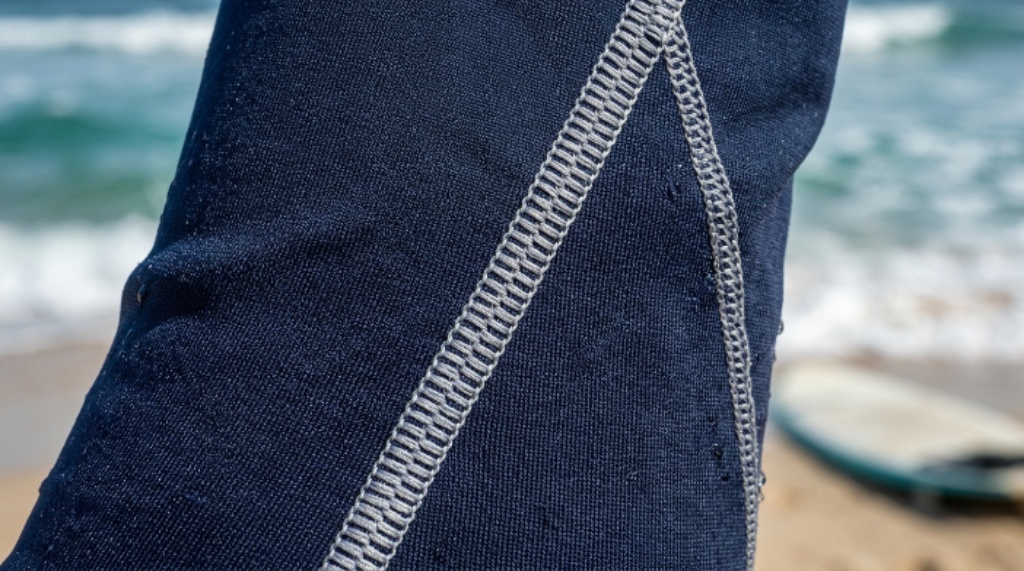
Flatlock stitching is the key detail to look for in a rash guard. This type of stitching lies flat against the skin instead of creating a ridge. It is the standard in quality surf apparel and makes a real difference over a long session.
Some surfers prefer long-sleeve rash guards for extra coverage. Others choose short sleeves for warmer conditions. Either way, wearing a rash guard on top of your swimwear adds a protective layer that significantly reduces skin-on-board contact.
Applying Protective Balms and Lubricants
Even the best swimwear cannot eliminate all friction. Therefore, many experienced surfers also apply a skin lubricant or protective balm before paddling out. These products create a slippery barrier on the skin that reduces the damage caused by repeated rubbing.
Look for balms that are water-resistant and free from harsh chemicals. Natural options like petroleum jelly, coconut oil-based balms, or dedicated surf balms work well. Apply them generously to high-friction zones such as the inner thighs, underarms, neck, and behind the knees.
Reapply after long sessions if you come back to shore and head out again. Water, especially saltwater, breaks down most lubricants over time. A quick reapplication only takes a moment and can prevent hours of discomfort afterward.
Surf Board Grip and Wax Considerations
The texture of your surfboard also plays a role in chafing. Board wax, while essential for grip, can be abrasive against soft skin. Rough wax patterns on the deck of the board often cause chest and stomach chafing for prone paddlers.
Consider using a deck pad instead of wax on the areas where your body contacts the board most. Deck pads offer good grip while presenting a smoother, more consistent surface to the skin. Alternatively, choose softer wax formulas designed for warmer water, as these tend to have a smoother texture than hard cold-water wax.
Additionally, keep an eye on old wax buildup. Dirty, lumpy wax is far more abrasive than a fresh, even coat. Removing old wax and applying a clean layer before a session is a small habit that pays off quickly.
Post-Session Skin Care
What you do after surfing is just as important as your preparation before. Rinse your skin thoroughly with fresh water as soon as possible. This removes salt, wax particles, and sand that continue to irritate the skin long after you leave the water.
Pat your skin dry gently rather than rubbing. Rubbing already-irritated skin causes further damage. After drying, apply a moisturizer to restore hydration. Surfers often forget that salt water is drying, and dry skin is more prone to cracking and chafing in future sessions.
If you already have chafed skin, treat it with a gentle antiseptic cream and allow it to fully heal before your next session. Surfing on broken skin opens the door to infection, especially in ocean water.
Conclusion
Chafing while surfing is common, but it is entirely preventable with the right approach. Start by choosing anti-chafing swimwear made from smooth, well-fitting materials with flat seams. Add a rash guard for extra coverage and protection against board friction. Use a protective balm on vulnerable areas before you paddle out, and rinse and moisturize thoroughly after each session.
Additionally, pay attention to your wetsuit fit and the condition of your board wax. Small adjustments in these areas make a big difference over time. With the right habits and gear, you can focus on what matters most: enjoying every wave without discomfort.
Frequently Asked Questions
What is the best fabric for anti-chafing swimwear for surfing?
Nylon, neoprene blends, and polyester-spandex are the best choices. They are smooth against the skin, hold their shape in saltwater, and dry quickly between sessions.
Can I use regular sunscreen as a lubricant to prevent chafing?
Standard sunscreen is not designed for friction protection, so it is not the most effective option. A dedicated surf balm or petroleum-based product works much better for preventing skin irritation.
How does a rash guard help with rash prevention?
A rash guard creates a smooth barrier between your skin and the board. Its flatlock stitching prevents seam irritation, and its tight fit reduces shifting during paddling movements.
How often should I apply anti-chafing balm during a surf session?
Apply balm before your session and reapply if you take a break on shore for more than 30 minutes. Saltwater breaks down most products, so regular reapplication keeps protection effective.
Are boardshorts or wetsuits better for preventing inner thigh chafing?
A well-fitted wetsuit with a smooth lining is generally better for preventing inner thigh chafing. However, boardshorts with a smooth internal liner are a good alternative in warmer water where a full wetsuit is not needed.
Related Topics:
How to Start a Collection of Rare Stamps: The Expert Blueprint
Vegan Diet and Fitness: How to Get Enough Protein