

Cooking has become more than a daily task for many households. It now serves as a creative hobby, a valuable life skill, and a social activity. Around half of adults report cooking dinner at home most days, while hands on cooking programs continue growing in schools and communities. These trends show why cooking clubs have become increasingly popular. Whether you want better kitchen confidence or stronger social connections, joining a cooking club offers practical benefits that extend far beyond preparing meals.
What Is a Cooking Club?
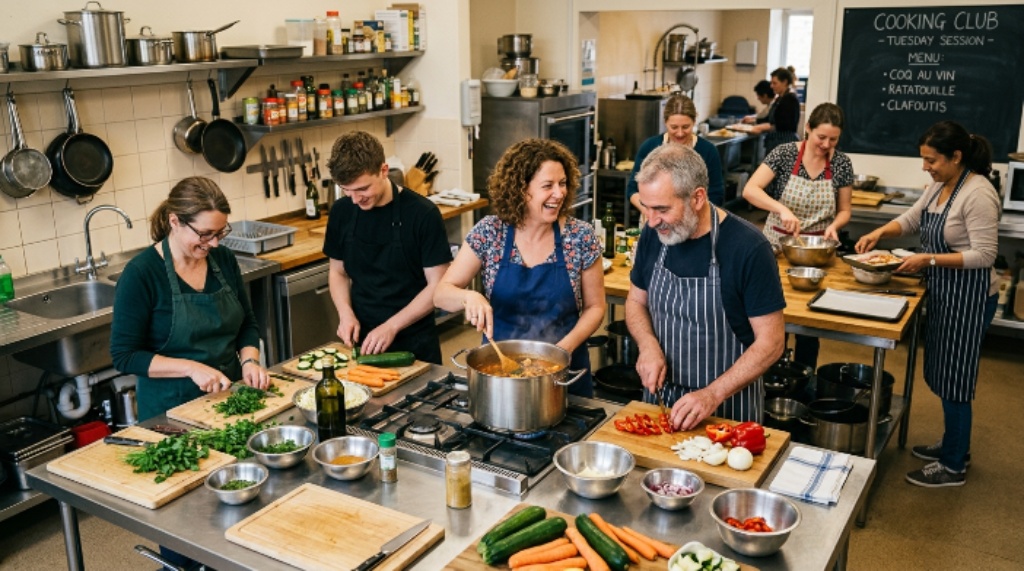
A cooking club is a group of people who meet regularly to cook, learn, and share meals together. Members usually focus on improving cooking skills while exploring new recipes, ingredients, and techniques. Every gathering encourages teamwork, conversation, and practical learning.
Unlike formal culinary classes, cooking clubs often create a relaxed environment where everyone participates equally. Members learn from each other while enjoying the cooking experience together. The atmosphere stays welcoming for both beginners and experienced home cooks.
Why Cooking Clubs Have Become Popular
Many people want healthier eating habits without making cooking feel like work. Cooking clubs transform meal preparation into an enjoyable social activity instead. As a result, members stay motivated while building lasting kitchen skills.
Busy lifestyles have also increased interest in shared cooking experiences. Friends, families, coworkers, and neighbors enjoy learning together because everyone contributes different ideas. This shared approach creates memorable experiences while reducing cooking stress.
Common Types of Cooking Clubs
Different clubs serve different goals. Choosing the right format helps members enjoy the experience even more.
Family Cooking Clubs
Families cook meals together while teaching children essential kitchen skills. Parents introduce healthy habits through enjoyable activities. Children also develop confidence by preparing simple recipes.
Friends Cooking Clubs
Groups of friends gather regularly to prepare themed meals. Each meeting often features a different cuisine or cooking challenge. Everyone shares responsibilities before enjoying the finished dishes together.
Community Cooking Clubs
Community organizations host cooking clubs that welcome local residents. These groups often encourage healthy eating, social interaction, and practical food preparation. Members also build friendships through shared experiences.
School Cooking Clubs
Schools use cooking clubs to teach food preparation, nutrition, and kitchen safety. Students gain valuable life skills while working in teams. Many programs also encourage creativity through simple recipes.
Online Cooking Clubs
Virtual cooking clubs connect members through video meetings. Participants prepare identical recipes while cooking from home. This format allows people from different locations to learn together.
Main Goals of a Cooking Club
Every cooking club may have different priorities. However, most successful clubs share similar objectives.
- Improve everyday cooking skills.
- Learn new recipes regularly.
- Explore international cuisines.
- Build confidence in the kitchen.
- Practice food safety habits.
- Reduce food waste.
- Encourage healthier eating.
- Strengthen friendships through shared meals.
These goals help members become more capable and comfortable cooks over time.
What Happens During a Typical Cooking Club Meeting?
Most meetings follow a simple structure that keeps everyone involved. Members usually arrive with ingredients, cooking tools, or assigned tasks. The organizer briefly explains the menu before cooking begins.
Participants divide responsibilities according to their experience levels. Some prepare vegetables while others cook proteins or create desserts. Everyone works together until every dish is complete.
After cooking, members sit together and enjoy the meal they created. Many clubs discuss cooking techniques, recipe improvements, and ideas for future gatherings. This reflection helps everyone continue learning.
Benefits of Joining a Cooking Club
Cooking clubs offer advantages that extend beyond preparing food. Members often notice improvements in multiple areas of daily life.
Better Cooking Skills
Regular practice naturally improves kitchen confidence. Members gradually master chopping, baking, roasting, grilling, and seasoning techniques. Every meeting introduces valuable practical experience.
Greater Food Knowledge
Cooking clubs expose members to unfamiliar ingredients and cuisines. Participants understand how flavors work together while learning proper preparation methods. This knowledge expands recipe choices.
Improved Kitchen Confidence
Many beginners fear making mistakes while cooking. Cooking clubs provide supportive environments where learning feels comfortable. Confidence grows with every successful recipe.
Healthier Eating Habits
Preparing meals from fresh ingredients often encourages better nutrition. Members become more aware of portion sizes and ingredient quality. Healthy cooking gradually becomes a daily habit.
Stronger Social Connections
Cooking naturally brings people together. Members enjoy conversations while preparing meals and sharing food. These experiences often develop lasting friendships.
Better Budget Management
Cooking at home usually costs less than frequent restaurant visits. Members also learn meal planning and ingredient management. These habits reduce unnecessary food expenses.
More Creativity
Cooking clubs inspire experimentation with ingredients and presentation. Members discover creative combinations they might never attempt alone. Each meeting encourages fresh ideas.
Skills You Can Learn
Cooking clubs teach practical abilities that remain useful throughout life.
- Knife handling techniques.
- Basic baking methods.
- Food preparation skills.
- Safe kitchen practices.
- Meal planning.
- Ingredient substitutions.
- Flavor balancing.
- Time management.
- Food storage.
- Recipe adaptation.
These everyday skills become easier through consistent practice.
How to Start Your Own Cooking Club
Creating a cooking club requires thoughtful planning but remains surprisingly simple.
Find Interested Members
Invite friends, relatives, coworkers, or neighbors who enjoy cooking. Small groups usually provide the best balance between participation and organization.
Decide Your Purpose
Choose whether your club focuses on healthy meals, international cuisine, baking, beginner cooking, or seasonal recipes. A clear direction keeps meetings organized.
Create a Schedule
Most clubs meet weekly or monthly. Consistent schedules help members plan ahead. Regular meetings also encourage long term participation.
Select a Location
Meetings can rotate between members’ homes or take place in community kitchens. Comfortable workspaces improve the cooking experience for everyone.
Plan the Menu
Choose recipes that match the group’s experience level. Balance simple meals with occasional cooking challenges. Variety keeps members interested.
Divide Responsibilities
Assign shopping, preparation, cooking, and cleaning tasks fairly. Shared responsibility reduces workload while encouraging teamwork.
Review Each Meeting
Discuss what worked well after every session. Members can suggest improvements and recommend future recipes. This feedback helps the club continue improving.
Tips for a Successful Cooking Club
Simple habits create enjoyable and productive meetings.
- Keep recipes realistic.
- Respect dietary preferences.
- Practice safe food handling.
- Encourage every member to participate.
- Rotate leadership responsibilities.
- Plan shopping lists carefully.
- Stay organized throughout cooking.
- Clean together after every session.
- Celebrate learning instead of perfection.
Following these habits helps every meeting run smoothly.
Common Mistakes to Avoid
Even enthusiastic cooking clubs sometimes face avoidable challenges.
Preparing overly difficult recipes can discourage beginners. Start with manageable meals before attempting advanced dishes. Gradual progress keeps everyone motivated.
Poor communication also creates confusion. Share ingredient lists, schedules, and responsibilities before every meeting. Clear planning reduces unnecessary stress.
Ignoring food allergies presents another serious mistake. Always confirm dietary restrictions before selecting recipes. Safe planning protects every participant.
Finally, avoid making one person complete every task. Balanced participation creates a more enjoyable experience for everyone.

Who Should Join a Cooking Club?
Cooking clubs welcome people from many different backgrounds.
Beginners learn essential cooking techniques without feeling overwhelmed. Experienced home cooks discover fresh ideas while sharing knowledge. Families strengthen relationships through shared activities.
Students develop valuable life skills before living independently. Retirees enjoy meaningful social interaction while exploring new recipes. Professionals also appreciate relaxing creative experiences after busy workdays.
Cooking Club Ideas for Every Meeting
Fresh themes keep members excited about future gatherings.
- Italian pasta night.
- Homemade bread workshop.
- Healthy meal preparation.
- Breakfast recipe challenge.
- International street food.
- Seasonal vegetable recipes.
- Comfort food classics.
- Dessert making session.
- Holiday celebration menu.
- Budget friendly family meals.
Changing themes encourages continuous learning and creativity.
Is a Cooking Club Worth Joining?
For most people, the answer is yes. Cooking clubs combine practical education with enjoyable social experiences. Members gain confidence while improving everyday cooking abilities.
The experience extends beyond learning recipes alone. Participants develop healthier habits, stronger friendships, and greater appreciation for homemade meals. These lasting benefits continue long after each gathering ends.
Conclusion
A cooking club offers far more than an opportunity to prepare food. It creates a welcoming space where people learn valuable skills, build confidence, and connect through shared experiences. Whether you join an existing group or create your own, every meeting becomes an opportunity to improve both your cooking and your relationships. Start with a small group, choose a simple recipe, and enjoy the rewarding journey together.
FAQs
What is a cooking club?
A cooking club is a group that meets regularly to prepare meals, learn cooking skills, and share food together.
Who can join a cooking club?
Anyone interested in cooking, regardless of experience, can join a cooking club.
How often do cooking clubs meet?
Most cooking clubs meet weekly or monthly, depending on member availability.
Do I need cooking experience before joining?
No, beginners are welcome because cooking clubs focus on learning together.
What should I bring to a cooking club?
Most clubs ask members to bring assigned ingredients, basic kitchen tools, or prepared items for the planned recipe.