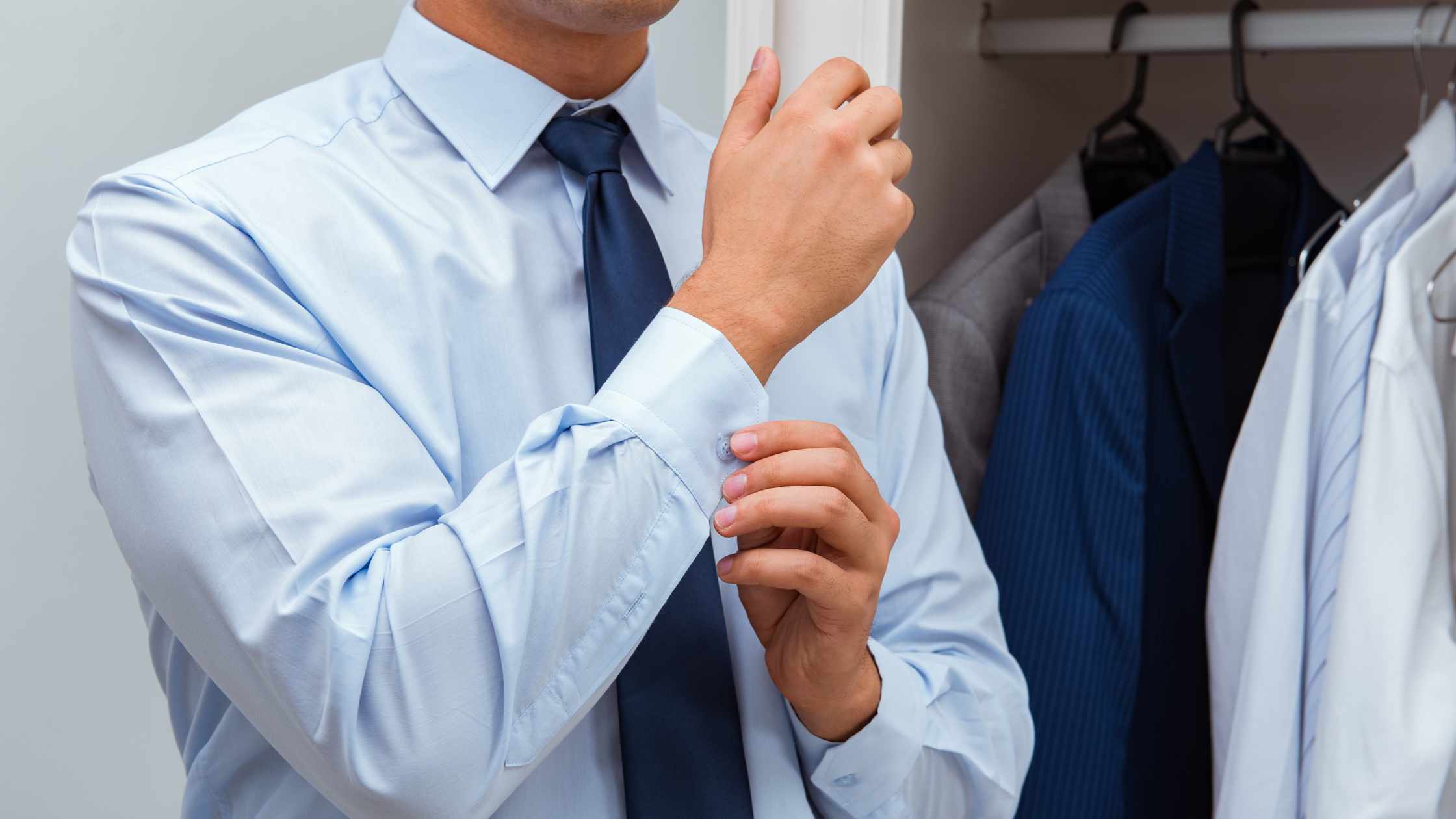
How to Color Coordinate Men’s Clothing

Color coordination is a crucial aspect of men’s fashion that can elevate a simple outfit to a stylish ensemble. This guide will help you understand the basics of color matching and provide practical tips for creating well-coordinated outfits.

Understanding Color Theory:

Color Wheel: Familiarize yourself with the color wheel to understand how colors relate to each other.
Primary Colors: Red, blue, and yellow are the foundation of all other colors.
Secondary Colors: Green, purple, and orange are created by mixing primary colors.
Complementary Colors: Colors opposite each other on the wheel (e.g., blue and orange) create high contrast.
Analogous Colors: Colors next to each other on the wheel (e.g., blue and green) create harmony.

Basic Color Coordination Rules:

Neutral Base: Start with neutral colors like black, white, gray, or beige as a foundation.
Monochromatic: Use different shades of the same color for a sleek look.
Complementary Colors: Pair complementary colors for a bold statement, but use one as an accent.
Analogous Colors: Combine neighboring colors for a harmonious, sophisticated look.

Practical Tips:

Skin Tone: Choose colors that complement your skin tone. Warmer skin tones look good in earth tones, while cooler skin tones pair well with blues and grays.
Seasonal Colors: Adjust your palette to match the season. Lighter colors for spring/summer, darker for fall/winter.
The 60-30-10 Rule: Use 60% of a dominant color, 30% of a secondary color, and 10% of an accent color in your outfit.
Pattern Mixing: When mixing patterns, vary the scale and keep colors in the same family.
Accessories: Use accessories like ties, pocket squares, or socks to add pops of color to neutral outfits.
Denim: Dark denim is versatile and pairs well with most colors.
Suit Coordination: Match your tie to your suit’s secondary color, not the primary color.
Shoes and Belt: Generally, match your belt to your shoes for a cohesive look.
Confidence: Wear colors that make you feel confident. Confidence is the best accessory.
Experiment: Don’t be afraid to try new color combinations. Fashion is about personal expression.

FAQS

How do I match my shirt and tie colors?

Choose a tie that contains a color from your shirt, but in a different shade. For patterned shirts, pick a tie color that complements the dominant shirt color.

Can I wear black and brown together?

While traditionally avoided, black and brown can work together if done thoughtfully. Try pairing dark brown shoes with a black suit for a modern look.

What’s an easy way to add color to a neutral outfit?

Use accessories like a colorful pocket square, socks, or watch strap to add a pop of color to an otherwise neutral ensemble.

By following these guidelines, you can create well-coordinated outfits that enhance your personal style. Remember, these are guidelines, not strict rules. As you become more comfortable with color coordination, feel free to experiment and develop your unique style.

How Do Shein Men’s Clothes Fit? A Comprehensive Guide

When it comes to online shopping, one of the biggest concerns is fit, especially with brands like Shein that offer trendy and affordable fashion. Understanding how Shein men’s clothes fit can help you make more informed purchasing decisions and avoid the hassle of returns. Here’s an in-depth look at Shein men’s clothing fit, including tips on sizing, quality, and how to find the right fit for your body type.

Understanding Shein’s Sizing

Shein is known for its diverse range of styles and competitive pricing, but sizing can sometimes be tricky. Here are some key points to consider:

Size Charts: Shein provides detailed size charts for each item, which include measurements for the chest, waist, hips, shoulders, sleeves, and overall length. Always refer to these charts before making a purchase.

Measurements: Take your own measurements using a flexible tape measure. Compare your measurements with those listed in the size chart to find the best fit. Pay attention to both the metric (cm) and imperial (inch) measurements.

Fit Descriptions: Shein often includes descriptions of the fit (e.g., slim fit, regular fit, oversized) in the product details. These descriptions can give you an idea of how the garment will sit on your body.

Common Fit Issues and Solutions

Inconsistent Sizing: Sizing can vary between different items and styles. Always check the specific size chart for each item rather than relying on a general size.

Asian Sizing: Some Shein clothing uses Asian sizing, which tends to run smaller than US or European sizes. Consider ordering one or two sizes up if the item uses Asian sizing.

Customer Reviews: Read customer reviews and look at the photos they provide. Reviews often mention whether an item runs true to size, small, or large. User-uploaded photos can also give a more realistic idea of fit and quality.

Tips for Finding the Right Fit

Check Fabric and Stretch: The type of fabric can affect the fit. Stretchy materials like spandex or elastane blends will have more give and can be more forgiving in terms of sizing.

Consider Your Body Type: Understand your body type and how different styles fit. For instance, slim-fit clothes may not be ideal for broader body types, while regular or relaxed fits may provide a more comfortable and flattering look.

Look for Adjustable Features: Items with adjustable features like drawstrings, elastic waistbands, and buttons can offer a better fit.

Shein Men’s Clothing Categories

Tops (T-shirts, Shirts, Hoodies): Generally, Shein tops have a standard fit. Pay attention to shoulder and chest measurements for the best fit. Hoodies and sweatshirts may have a looser fit compared to shirts and T-shirts.

Bottoms (Jeans, Trousers, Shorts): For bottoms, focus on waist and hip measurements. The inseam length is also crucial for trousers and jeans. Stretchy materials in shorts and joggers can provide additional comfort.

Outerwear (Jackets, Coats): Outerwear tends to run larger to accommodate layering. Check sleeve length and overall length to ensure a good fit, especially if you are taller or shorter than average.

Quality Considerations

Material: The quality of materials can vary. Read product descriptions carefully to know what materials are used. Higher-priced items may use better quality fabrics.

Stitching and Construction: Examine customer reviews for comments on stitching and construction. Poor stitching can indicate lower quality and affect the longevity of the garment.

FAQs

How do I determine the right size for Shein men’s clothes?

To determine the right size, refer to Shein’s detailed size charts provided for each item. Measure your chest, waist, hips, shoulders, and overall length, then compare these measurements to the size chart. Reading customer reviews and looking at user-uploaded photos can also help gauge the fit.

Do Shein men’s clothes run true to size?

Shein men’s clothes can vary in sizing, with some items running smaller due to Asian sizing. It’s recommended to check specific size charts for each item and consider ordering one or two sizes up if needed. Customer reviews often mention if an item runs true to size, small, or large.

What should I consider when buying Shein men’s clothes?

When buying Shein men’s clothes, consider the fabric type and whether it has any stretch, as this can affect the fit. Pay attention to the fit descriptions (e.g., slim fit, regular fit) and adjustable features like drawstrings or elastic waistbands. Reading customer reviews can also provide insights into the fit and quality of the garment.

Final Thought

Shein offers a wide variety of men’s clothing, but finding the right fit requires careful consideration of size charts, customer reviews, and your own measurements. By paying attention to these details, you can enjoy stylish and affordable fashion without the frustration of ill-fitting clothes. Happy shopping!


Aesthetic and Functional Benefits of Exterior Lighting

Exterior lighting enhances your home’s curb appeal and adds security. Strategically placed lights illuminate pathways, highlight architectural features and create an inviting atmosphere. Additionally, proper exterior lighting deters potential intruders by increasing visibility around the property, making it both a stylish and practical addition to any home.

The Art of Draping: How to Wear a Shawl with a Formal Dress

A shawl is a versatile accessory that can elevate the elegance of any formal dress. Whether you are attending a wedding, a gala, or a formal dinner, knowing how to wear a shawl can add sophistication and style to your ensemble. This article will guide you through various ways to wear a shawl with a formal dress, ensuring you look graceful and chic on any occasion.

Classic Drape

Steps:

Fold the Shawl: Start by folding the shawl in half lengthwise if it’s too wide. This helps in managing the fabric better.
Drape Over Shoulders: Drape the shawl evenly over your shoulders, allowing it to hang down your back.
Adjust Front Length: Adjust the front so that the ends are of equal length.
Secure: You can either let the shawl hang loose or secure it with a decorative brooch or pin at the center of your chest.
When to Wear: This classic drape works well with strapless dresses or gowns with intricate bodice details that you don’t want to hide.

The Wrap Around

Steps:

Center the Shawl: Center the shawl on your back with the ends hanging over your shoulders.
Cross the Ends: Bring the ends of the shawl in front of you, crossing them over your chest.
Wrap Around: Wrap the ends around your back again, bringing them back to the front.
Tie or Knot: Tie a knot or a bow in front, just below your bust or at your waist.
When to Wear: This style is perfect for chilly evenings as it provides extra warmth and keeps the shawl secure.

Over-the-Shoulder Toss

Steps:

Drape Over Shoulders: Drape the shawl over your shoulders, ensuring that one end is longer than the other.
Toss Over Shoulder: Take the longer end and toss it over the opposite shoulder, letting it drape elegantly down your back.
When to Wear: Ideal for dresses with intricate back designs or low backs, allowing the dress to be the focal point.

Belted Shawl

Steps:

Drape Shawl: Drape the shawl evenly over your shoulders.
Add a Belt: Place a belt over the shawl at your waist, cinching it in to create a structured look.
Adjust Shawl: Adjust the shawl so that it drapes nicely over your torso and flows down your sides.
When to Wear: This look is great for adding shape to flowy dresses and creating a more defined silhouette.

The Shawl Scarf

Steps:

Fold Shawl: Fold the shawl into a long, narrow strip.
Drape Around Neck: Drape the folded shawl around your neck, with the ends hanging down your front.
Tie Ends: Tie the ends in a loose knot or a bow, letting them hang elegantly.
When to Wear: Suitable for dresses with high necklines or when you want to add a touch of warmth without covering your shoulders.

One-Shoulder Drape

Steps:

Place Shawl on One Shoulder: Drape the shawl over one shoulder, allowing one end to hang down in front and the other end down your back.
Secure with a Pin: Secure the shawl on your shoulder with a decorative pin or brooch to keep it in place.
When to Wear: Perfect for asymmetrical dresses or dresses with unique shoulder details.

Tips for Choosing the Right Shawl

Material: Choose a shawl made of silk, chiffon, or cashmere for a luxurious feel. Avoid bulky fabrics that might overshadow your dress.
Color: Select a shawl that complements your dress. Neutral colors like black, white, and nude are versatile, while a bold color can add a pop of interest.
Size: Ensure the shawl is large enough to drape gracefully but not so large that it overwhelms your frame.
Embellishments: If your dress is simple, a shawl with embellishments like embroidery, sequins, or lace can add a touch of glamour.

FAQs

How do I keep my shawl from slipping off during an event?

To prevent your shawl from slipping, you can secure it with a decorative brooch or pin. Another option is to choose a style that wraps the shawl around your shoulders or ties it in place, such as the wrap-around or belted shawl style.

Can I wear a patterned shawl with a formal dress?

Yes, you can wear a patterned shawl with a formal dress, but it’s important to ensure the patterns complement each other. If your dress is plain, a patterned shawl can add visual interest. Conversely, if your dress has intricate designs, opt for a solid-colored shawl to avoid a clashing look.

What shawl material is best for a formal occasion?

For formal occasions, choose luxurious materials like silk, chiffon, or cashmere. These fabrics drape beautifully and add an elegant touch to your ensemble. Avoid heavy or bulky materials that can detract from the sophistication of your outfit.

Final Thought

Wearing a shawl with a formal dress is an elegant way to enhance your outfit. Whether you choose a classic drape or a more creative wrap, the key is to ensure the shawl complements your dress and adds to your overall look. Experiment with different styles to find the one that suits you best, and enjoy the added touch of sophistication that a shawl brings to your formal attire.


How Often Should You Get a Pedicure?

Pedicures are a delightful way to pamper your feet, ensuring they stay healthy, attractive, and comfortable. However, the frequency of getting a pedicure can vary based on several factors, including lifestyle, foot health, and personal preferences. This article will guide you through determining how often you should get a pedicure to maintain optimal foot health and aesthetics.

Factors Influencing Pedicure Frequency

Personal Lifestyle and Activities

Your daily activities significantly impact how often you should get a pedicure. For example, if you frequently wear open-toed shoes, sandals, or go barefoot, your feet are more exposed to dirt, debris, and potential damage. In such cases, a pedicure every 2-3 weeks can help keep your feet clean and well-maintained.

On the other hand, if you mostly wear closed-toe shoes and socks, your feet are better protected, and you might not need pedicures as frequently. A pedicure every 4-6 weeks could suffice.

Foot Health

Foot health plays a crucial role in determining pedicure frequency. Individuals with certain foot conditions, such as fungal infections, ingrown toenails, or calluses, may benefit from more frequent pedicures. Regular pedicures can help manage these conditions and prevent them from worsening.

If your feet are generally healthy, you may not need pedicures as often. However, routine maintenance every 4-6 weeks can help prevent issues from developing.

Nail Growth Rate

The rate at which your toenails grow also influences how often you should get a pedicure. On average, toenails grow about 1.5 millimeters per month. If your nails grow quickly, you may need more frequent pedicures to keep them trimmed and shaped.

For those with slower-growing nails, extending the time between pedicures is perfectly acceptable. Monitoring your nail growth can help you decide the best schedule for you.

Seasonal Considerations

Seasonal changes can affect your feet and influence pedicure frequency. In warmer months, feet are more exposed, leading to increased wear and tear. During this time, a pedicure every 2-3 weeks can help maintain their appearance and health.

In colder months, feet are usually covered, reducing exposure to the elements. Consequently, you may extend the interval between pedicures to every 4-6 weeks.

Benefits of Regular Pedicures

Regular pedicures offer numerous benefits beyond just aesthetic improvements:

Improved Foot Health

Pedicures help prevent common foot problems such as fungal infections, ingrown toenails, and calluses. Regular exfoliation and moisturizing keep the skin on your feet smooth and hydrated, reducing the risk of cracks and infections.

Enhanced Circulation

The massage component of a pedicure stimulates blood flow, promoting better circulation in your feet and lower legs. Improved circulation can reduce pain and swelling, particularly for individuals who spend long hours on their feet.

Stress Relief

Pedicures provide a relaxing experience that can help reduce stress and promote overall well-being. The pampering and attention to your feet can offer a mental health boost, leaving you feeling refreshed and rejuvenated.

Early Detection of Problems

Regular visits to a professional nail technician allow for early detection of potential issues. Technicians are trained to identify signs of infections, abnormalities, and other foot-related problems, ensuring timely intervention and treatment.

Determining Your Ideal Pedicure Schedule

Based on the factors outlined above, you can tailor your pedicure schedule to suit your needs. Here are some general guidelines:

Every 2-3 Weeks

If you frequently wear open-toed shoes or go barefoot.
If you have foot conditions requiring regular maintenance.
During the summer months when feet are more exposed.

Every 4-6 Weeks

If you mainly wear closed-toe shoes and socks.
If your feet are generally healthy and don’t require frequent attention.
During the winter months when feet are less exposed.
DIY Pedicures Between Professional Visits

To maintain foot health and appearance between professional pedicures, consider incorporating some at-home care:

Regular Cleaning and Exfoliation

Clean your feet daily and exfoliate them once a week to remove dead skin cells. Use a pumice stone or foot file to gently buff away calluses and rough spots.

Moisturizing

Apply a good quality foot cream or lotion daily to keep your skin hydrated and prevent dryness and cracking.

Nail Care

Trim your toenails regularly, cutting them straight across to prevent ingrown toenails. Gently file the edges to smooth out any rough spots.

Foot Soaks

Occasionally soak your feet in warm water with Epsom salts or essential oils to relax your muscles and soften the skin.

Final Thought

The ideal frequency for pedicures varies from person to person, depending on lifestyle, foot health, and personal preferences. Generally, a pedicure every 2-3 weeks is suitable for those with higher foot exposure or specific foot conditions, while every 4-6 weeks may be adequate for others. Regular pedicures offer numerous benefits, including improved foot health, enhanced circulation, stress relief, and early problem detection. By tailoring your pedicure schedule and incorporating at-home care, you can keep your feet healthy, beautiful, and ready for any occasion.


From Bland to Grand: Unlock the Hidden Potential of Upgrading Your Garage

Why Upgrade Your Garage?

Many homeowners often neglect their garages, using them solely for storage or parking. It can quickly become a cluttered, dusty space that adds little value to the home. However, with some effort and creativity, this space can be transformed into a functional and appealing extension of your living space. Imagine turning your neglected garage into a pristine, organized area. This transformation improves its aesthetic appeal and contributes to better home organization and increased property value. Whether you plan to use it as a workshop, home gym, or simply a more efficient storage space, the key is creating a garage that serves multiple purposes and matches the quality of your home. One highly effective way to achieve this transformation is by using the services of epoxy garage floor installers Asheville. These experts offer durable and stylish flooring solutions that dramatically enhance the appearance and utility of your garage.

How to Become a Fashion Stylist: A Comprehensive Guide

Fashion stylists play a crucial role in the fashion industry, working behind the scenes to create the looks that define trends and captivate audiences. If you have a keen eye for fashion, a passion for creativity, and the ability to bring out the best in people through clothing, becoming a fashion stylist might be your ideal career path. Here’s a detailed guide on how to embark on this exciting journey.

A Comprehensive Guide

Understand the Role of a Fashion Stylist

A fashion stylist is responsible for selecting clothing and accessories for editorial features, advertising campaigns, music videos, concert performances, and public appearances by celebrities and models. They work closely with designers, photographers, makeup artists, and clients to create cohesive and visually appealing looks.

Develop Your Fashion Sense

Fashion stylists need to have an innate sense of style and an understanding of current trends. Here’s how you can develop your fashion sense:

Stay Updated: Follow fashion blogs, magazines, and social media accounts of prominent fashion influencers and designers.
Attend Fashion Shows: If possible, attend fashion shows and industry events to see the latest collections and understand emerging trends.
Create Mood Boards: Use tools like Pinterest to create mood boards that capture your styling ideas and inspirations.

Get the Necessary Education and Training

While formal education is not strictly required, it can provide a solid foundation and make you more competitive in the industry:

Fashion Design or Styling Programs: Enroll in fashion design or styling programs offered by art schools or fashion institutes. These programs often cover key areas like fashion history, textiles, color theory, and trend forecasting.
Workshops and Courses: Participate in workshops and online courses focused on styling techniques, personal branding, and portfolio development.

Gain Practical Experience

Hands-on experience is crucial for becoming a successful fashion stylist:

Internships: Apply for internships with established stylists, fashion magazines, or design houses. This experience will give you insight into the industry and help you build a network of contacts.
Assisting: Start as a stylist assistant to gain on-the-job training. This role will help you understand the daily responsibilities and challenges of a fashion stylist.
Personal Projects: Work on personal projects like styling friends or organizing photoshoots to practice your skills and build your portfolio.

Build a Strong Portfolio

A compelling portfolio is essential for showcasing your styling abilities to potential clients and employers:

Diverse Looks: Include a variety of looks that demonstrate your versatility, from high fashion editorials to everyday styling.
Professional Photography: Collaborate with photographers to ensure your work is presented in the best possible light.
Online Presence: Create an online portfolio on platforms like Instagram, Behance, or your own website to reach a wider audience.

Network and Build Industry Connections

Networking is key to advancing your career as a fashion stylist:

Industry Events: Attend fashion shows, trade shows, and networking events to meet industry professionals.
Social Media: Use social media to connect with designers, models, photographers, and other stylists. Engage with their content and showcase your work.
Join Professional Organizations: Become a member of professional organizations like the Fashion Group International (FGI) to access resources and networking opportunities.

Market Yourself

Promoting your personal brand is crucial for attracting clients and job opportunities:

Social Media Marketing: Use platforms like Instagram, TikTok, and Pinterest to share your work, behind-the-scenes content, and fashion tips.
Blogging and Vlogging: Start a blog or YouTube channel to share your expertise and insights on fashion trends and styling advice.
Collaborations: Partner with brands, influencers, and other creatives to expand your reach and gain exposure.

Stay Adaptable and Continually Learn

The fashion industry is dynamic and constantly evolving. Stay adaptable and committed to continuous learning:

Professional Development: Attend workshops, take online courses, and read industry publications to stay informed about the latest trends and techniques.
Feedback and Improvement: Seek feedback from clients and colleagues to improve your skills and adapt to changing industry standards.


FAQs

What qualifications do I need to become a fashion stylist?

While formal qualifications are not strictly required to become a fashion stylist, having a background in fashion-related education can be beneficial. This includes:

Fashion Design or Styling Programs: Enrolling in programs at fashion schools or institutes that cover essential areas like fashion history, textiles, and trend forecasting.
Workshops and Online Courses: Participating in specialized styling workshops or online courses to enhance your skills.
Practical experience through internships, assisting established stylists, and working on personal projects is crucial to building your portfolio and industry knowledge.

How can I build a strong portfolio as a fashion stylist?

Building a strong portfolio is essential for showcasing your styling abilities. Here’s how you can do it:

Diverse Looks: Include a variety of styles that demonstrate your versatility, from high fashion to everyday wear.
Professional Photography: Collaborate with photographers to ensure high-quality images of your work.
Online Presence: Create an online portfolio on platforms like Instagram, Behance, or your own website to reach a wider audience.
Regularly update your portfolio with new work to reflect your current skills and aesthetic.

What are some effective ways to network in the fashion industry?

Networking is crucial for advancing your career as a fashion stylist. Effective ways to network include:

Attending Industry Events: Participate in fashion shows, trade shows, and networking events to meet industry professionals.
Social Media: Use platforms like Instagram and LinkedIn to connect with designers, models, photographers, and other stylists. Engage with their content and share your work.
Joining Professional Organizations: Become a member of organizations like the Fashion Group International (FGI) to access resources and networking opportunities.
Collaborations: Partner with brands, influencers, and other creatives to expand your reach and gain exposure in the industry.

Final Thought

Becoming a fashion stylist requires a blend of creativity, education, practical experience, and networking. By following these steps, you can develop the skills and connections needed to succeed in this competitive industry. Embrace your passion for fashion, continuously refine your styling abilities, and seize opportunities to make your mark as a fashion stylist.


Perfecting the Old Fashioned: How Much Simple Syrup to Use

The Old Fashioned, a timeless cocktail beloved by aficionados and casual drinkers alike, is a masterclass in simplicity and balance. Comprised of just a few key ingredients—whiskey, bitters, sugar, and water—it’s a drink that celebrates the rich flavors of the spirit while allowing subtle nuances to shine through. However, one question that often arises when crafting the perfect Old Fashioned is: How much simple syrup should be used? Let’s delve into this essential aspect of cocktail-making to ensure your next Old Fashioned is nothing short of perfection.

Step-by-step tips

Understanding the Old Fashioned

Before we delve into the specifics of simple syrup measurements, let’s take a moment to appreciate the essence of the Old Fashioned. Dating back to the early 19th century, this iconic cocktail is traditionally made with bourbon or rye whiskey, a dash of bitters, a sugar cube (or simple syrup), and a twist of citrus zest. Its beauty lies in its simplicity and the balance achieved between the sweetness of the sugar, the bitterness of the bitters, and the boldness of the whiskey.

Finding the Sweet Spot

When it comes to the sweet component of the Old Fashioned, the amount of simple syrup used is a matter of personal preference. Some prefer a sweeter cocktail with a more pronounced sweetness, while others prefer a drier, more spirit-forward drink. As a general guideline, start with a conservative amount of simple syrup—around ¼ to ½ ounce—and adjust to taste from there.

Tailoring to Taste

The beauty of the Old Fashioned lies in its versatility and adaptability to individual tastes. If you prefer a sweeter cocktail, you may opt for a larger amount of simple syrup, perhaps closer to ½ ounce or even slightly more. Conversely, if you prefer a drier, more spirit-forward drink, you may choose to use less simple syrup, aiming for around ¼ ounce or even just a few drops to lightly sweeten the cocktail.

Balancing Act

Regardless of the amount of simple syrup used, achieving balance is key when crafting the perfect Old Fashioned. The sweetness of the sugar should complement, rather than overpower, the other elements of the cocktail. It should enhance the flavors of the whiskey and bitters, adding depth and complexity without overwhelming the palate.

Experimentation and Refinement

As with any cocktail, the key to mastering the Old Fashioned lies in experimentation and refinement. Start with a basic recipe, then adjust the proportions of each ingredient—whiskey, bitters, and simple syrup—until you find the perfect balance that suits your palate. Don’t be afraid to get creative and tailor the cocktail to your personal preferences.

FAQs

How much simple syrup should I use in an Old Fashioned?

The amount of simple syrup in an Old Fashioned can vary based on personal preference. As a starting point, try using around ¼ to ½ ounce of simple syrup and adjust to taste from there, keeping in mind the desired sweetness level.

Can I make an Old Fashioned without simple syrup?

While traditional Old Fashioned recipes call for a sugar cube or simple syrup, you can experiment with alternative sweeteners such as honey, maple syrup, or agave nectar. Adjust the amount to achieve your desired level of sweetness.

What if I prefer a drier Old Fashioned?

If you prefer a drier, more spirit-forward Old Fashioned, use a smaller amount of simple syrup, such as around ¼ ounce or even just a few drops. This will lightly sweeten the cocktail without overpowering the other flavors.

In Conclusion

So, how much simple syrup should you use in an Old Fashioned? The answer ultimately depends on your individual taste preferences. Start with a conservative amount and adjust to taste, keeping in mind the importance of achieving balance and harmony in this timeless cocktail. With a little experimentation and a discerning palate, you’ll soon be crafting Old Fashioneds that are nothing short of perfection. Cheers!

Exploring the Classic Elegance: What’s in an Old Fashioned Cocktail?

The Old Fashioned cocktail stands as a timeless icon of mixology, revered for its simplicity, depth of flavor, and rich history. With roots dating back to the early 19th century, this classic cocktail has endured the test of time, captivating the palates of cocktail enthusiasts worldwide. But what exactly goes into crafting this beloved libation? Let’s embark on a journey to uncover the ingredients that make an Old Fashioned cocktail a true embodiment of sophistication and tradition.

The Origins of the Old Fashioned

Before delving into its ingredients, it’s essential to understand the origins of the Old Fashioned cocktail. The drink traces its lineage to the early days of American cocktail culture, emerging during the 19th century as a simple concoction designed to showcase the flavors of whiskey, then known as “spirituous liquor.” Over the years, the recipe has evolved, but its fundamental essence remains rooted in tradition and refinement.

The Ingredients

Whiskey

Base Spirit: The cornerstone of an Old Fashioned cocktail is whiskey, traditionally bourbon or rye. The choice of whiskey imparts distinct nuances to the cocktail, with bourbon contributing a slightly sweeter profile and rye adding a spicier character.

Sugar

Sweetening Agent: A touch of sweetness is essential to balance the robust flavors of whiskey. Traditionally, a sugar cube or simple syrup is used to sweeten the cocktail, imparting a subtle sweetness that harmonizes with the whiskey’s rich

Bitters

Aromatic Complexity: Bitters add depth and complexity to the Old Fashioned, elevating its flavor profile with nuanced herbal and spice notes. Angostura bitters, with its iconic blend of botanicals and spices, is the classic choice for this cocktail, although other varieties may be used to customize the flavor.

Ice

Chilled Elegance: Ice plays a crucial role in the Old Fashioned, chilling the cocktail while subtly diluting its intensity. Large ice cubes or a single large ice sphere are preferred to minimize dilution and maintain the drink’s integrity.

Citrus Peel (Optional)

Garnish and Aroma: A twist of citrus peel, typically orange or lemon, adds a final flourish to the Old Fashioned, imparting aromatic oils that enhance the drinking experience. The citrus oils provide a refreshing counterpoint to the cocktail’s richness, accentuating its complexity.

Crafting the Perfect Old Fashioned

Now that we’ve explored the key ingredients, let’s assemble them to create the quintessential Old Fashioned cocktail:

Place a sugar cube (or a spoonful of simple syrup) in an Old Fashioned glass.
Add several dashes of Angostura bitters to the sugar cube.
Muddle the sugar cube with the bitters to dissolve it and release its flavors.
Add a splash of water to the glass and stir to further dissolve the sugar.
Add a large ice cube or sphere to the glass.
Pour 2 ounces of bourbon or rye whiskey over the ice.
Stir gently to chill the drink and incorporate the ingredients.
Express a twist of citrus peel over the glass to release its oils, then garnish the cocktail with the peel.
Serve and enjoy the timeless elegance of the Old Fashioned.

FAQs

What type of whiskey is typically used in an Old Fashioned?

The Old Fashioned cocktail traditionally features bourbon or rye whiskey as its base spirit. Bourbon lends a slightly sweeter flavor profile, while rye whiskey adds a spicier character to the cocktail.

Can I use a different type of sweetener besides a sugar cube or simple syrup in an Old Fashioned?

While a sugar cube or simple syrup is the traditional choice for sweetening an Old Fashioned, some variations may incorporate alternative sweeteners such as demerara syrup or maple syrup for a unique twist on the classic recipe.

Is the citrus peel garnish essential in an Old Fashioned cocktail?

While the citrus peel garnish adds a final flourish and aromatic complexity to the Old Fashioned, it is not considered essential. Some variations of the cocktail omit the citrus peel garnish altogether or substitute it with a cherry for a different flavor profile.

Final Thought

The Old Fashioned cocktail embodies a bygone era of elegance and refinement, offering a harmonious balance of whiskey, sweetness, and aromatic complexity. With just a handful of ingredients, this classic libation captures the essence of cocktail culture, inviting enthusiasts to savor its timeless allure. Whether sipped in a dimly lit speakeasy or crafted at home with care and precision, the Old Fashioned remains a cherished symbol of sophistication and tradition in the world of mixology.