Unlocking Outdoor Bliss: Crafting Your Ideal Space Without a Patio

Not having a patio doesn’t mean you can’t enjoy the great outdoors from the comfort of your own home. Whether you have a small balcony, a deck, or simply a patch of grass, there are numerous creative ways to transform your outdoor space into a relaxing retreat. In this article, we’ll explore some innovative ideas for creating an inviting outdoor oasis without a traditional patio.

Creating an Inviting Outdoor Space Without a Patio: Ingenious Ideas for Every Home

Define Your Space:

Even without a patio, you can define your outdoor space by using furniture, rugs, or even plants to create boundaries. Arrange outdoor seating areas with chairs, benches, or hammocks to designate different zones for lounging, dining, and entertaining. Adding an outdoor rug can further define the space and provide a cozy foundation for your furniture arrangement.

Utilize Vertical Space:

Make the most of limited outdoor space by utilizing vertical space for gardening, storage, and decor. Hang potted plants or vertical gardens on walls or fences to add greenery and visual interest to your outdoor area. Install shelves or racks for storing gardening tools, outdoor accessories, or decorative items. Vertical space can also be used to hang string lights, lanterns, or artwork to create ambiance and enhance the atmosphere.

Incorporate Portable Features:

For flexibility and convenience, consider incorporating portable features into your outdoor space. Foldable tables and chairs can be easily set up and taken down as needed, making them ideal for small spaces or impromptu gatherings. Portable fire pits or chimineas can provide warmth and ambiance for cool evenings without the need for a permanent installation. Additionally, portable umbrellas or shade sails can offer protection from the sun and create a comfortable outdoor environment.

Create a Container Garden:

If you don’t have space for a traditional garden, consider creating a container garden using pots, planters, or raised beds. Choose a variety of plants, flowers, herbs, and vegetables that thrive in containers and complement your outdoor decor. Arrange the containers strategically to maximize space and create visual interest. Vertical planters or hanging baskets can also be used to add greenery without taking up valuable floor space.

Add Outdoor Accessories:

Enhance the comfort and style of your outdoor space by adding accessories such as cushions, throw pillows, rugs, and outdoor textiles. Choose durable materials designed to withstand the elements and complement your outdoor aesthetic. Incorporate decorative elements like lanterns, candles, and outdoor artwork to personalize the space and create a welcoming atmosphere.

FAQs

Can I create an outdoor space without a patio if I only have a small balcony or deck?

Absolutely! Even with limited space, you can transform your balcony or deck into a cozy outdoor retreat. Utilize vertical space with hanging plants or shelves, incorporate foldable furniture for flexibility, and add accessories like rugs and cushions to create a comfortable and inviting atmosphere.

What if I don’t have any outdoor flooring or grassy area to work with?

Lack of outdoor flooring or grass doesn’t have to hinder your creativity. Consider using outdoor rugs or artificial turf to define your space and create a soft surface for seating or lounging. Portable flooring options like interlocking deck tiles or roll-out decking can also provide a temporary solution for hard surfaces like concrete or asphalt.

Are there budget-friendly ways to create an outdoor space without a patio?

Absolutely! You don’t need to break the bank to create an inviting outdoor area. Look for budget-friendly furniture options such as secondhand or repurposed items, DIY projects, or affordable patio sets available at home improvement stores. Utilize inexpensive accessories like string lights, thrifted decor, or DIY planters to add personality and charm to your outdoor space without overspending.

Conclusion:

Creating an outdoor space without a patio opens up a world of possibilities for expressing your style and enjoying nature. Whether you have a small balcony, a deck, or a backyard, implementing these creative ideas can help you transform your outdoor area into a relaxing retreat where you can unwind, entertain, and connect with the outdoors. With a little imagination and resourcefulness, you can design an inviting outdoor oasis that suits your lifestyle and enhances your home.

Unlocking the Triad: Exploring the Interconnectedness of Fitness, Health, and Wellness

In the pursuit of a fulfilling and vibrant life, the concepts of fitness, health, and wellness often intertwine, each playing a vital role in shaping our physical, mental, and emotional well-being. While distinct in their definitions, these elements form an interconnected triad, with each aspect influencing and complementing the others. Let’s delve into how fitness, health, and wellness are interrelated and how nurturing one aspect can positively impact the others.

The Interconnected Triad: Exploring the Relationship Between Fitness, Health, and Wellness

Defining the Terms

Fitness

Fitness refers to the physical capability to perform daily activities with vigor and without undue fatigue. It encompasses attributes such as strength, endurance, flexibility, and cardiovascular health. Achieving fitness involves regular exercise, proper nutrition, and restorative sleep to enhance physical capacity and resilience.

Health

Health is a state of complete physical, mental, and social well-being, not merely the absence of disease or infirmity. It encompasses all aspects of an individual’s well-being, including physical health, mental health, and social well-being. Maintaining health involves preventive measures, such as regular check-ups, vaccinations, and disease management, to promote longevity and quality of life.

Wellness

Wellness is a holistic approach to living a healthy and fulfilling life, encompassing physical, mental, emotional, and spiritual well-being. It involves proactive behaviors and lifestyle choices that promote balance, resilience, and personal growth. Wellness practices may include mindfulness, stress management, self-care, and seeking support from others.

The Interrelationship

Fitness and Health

Fitness and health share a symbiotic relationship, with each influencing the other. Engaging in regular physical activity improves cardiovascular health, strengthens muscles and bones, and enhances immune function, thereby reducing the risk of chronic diseases such as heart disease, diabetes, and obesity. Conversely, prioritizing health through proper nutrition, adequate sleep, and stress management supports optimal fitness levels, enabling individuals to perform exercise effectively and recover efficiently.

Fitness and Wellness

Fitness is a cornerstone of overall wellness, contributing to physical vitality, mental clarity, and emotional resilience. Regular exercise releases endorphins, neurotransmitters that promote feelings of well-being and reduce stress and anxiety. Additionally, maintaining fitness supports healthy aging and longevity, allowing individuals to enjoy an active and independent lifestyle well into their later years.

Health and Wellness

Health and wellness are intrinsically linked, as optimal health is a foundation for holistic well-being. Prioritizing preventive care and disease management supports overall wellness by addressing physical health concerns and reducing the burden of illness on mental and emotional well-being. Similarly, cultivating wellness practices such as mindfulness, gratitude, and social connection enhances resilience and promotes a positive outlook on life, contributing to overall health and vitality.

Cultivating Balance

Achieving a harmonious balance between fitness, health, and wellness is essential for optimal well-being. By nurturing each aspect of the interconnected triad, individuals can cultivate a life of vitality, purpose, and fulfillment. Whether through regular exercise, nutritious eating, stress management techniques, or self-care practices, embracing a holistic approach to health and wellness empowers individuals to thrive in mind, body, and spirit.

FAQs

How does fitness contribute to overall health and wellness?

Fitness plays a crucial role in promoting overall health and wellness by enhancing physical strength, endurance, and cardiovascular health. Engaging in regular exercise releases endorphins, which boost mood and reduce stress, contributing to emotional well-being. Additionally, maintaining fitness supports healthy aging and longevity, enabling individuals to lead active and fulfilling lives.

How does prioritizing health impact fitness and wellness?

Prioritizing health through preventive care, nutritious eating, and disease management supports both fitness and wellness. By addressing physical health concerns and reducing the risk of chronic diseases, individuals can maintain optimal fitness levels and enjoy a higher quality of life. Furthermore, promoting physical health fosters emotional and mental well-being, contributing to overall wellness and resilience.

What role does wellness play in the relationship between fitness and health?

Wellness serves as the overarching framework that encompasses fitness and health, integrating physical, mental, emotional, and spiritual well-being. Cultivating wellness practices such as mindfulness, stress management, and self-care enhances resilience and promotes a balanced lifestyle. By prioritizing wellness, individuals can optimize their fitness levels, maintain good health, and cultivate a sense of purpose and fulfillment in life.

Conclusion

In the tapestry of human existence, fitness, health, and wellness weave together to create a portrait of vitality and flourishing. Recognizing the interconnectedness of these elements allows individuals to embrace a holistic approach to well-being, fostering resilience, balance, and joy in every aspect of life. By nurturing fitness, prioritizing health, and cultivating wellness, individuals can embark on a journey of self-discovery and transformation, unlocking their full potential and living life to the fullest.

How to Train a Dog

Training a dog is not just about teaching them to sit or stay; it’s about building a strong bond based on trust and communication. Whether you’ve just welcomed a new furry friend into your home or you’re looking to improve your existing companion’s behavior, learning how to train a dog effectively is key to fostering a happy and harmonious relationship. We’ll explore the essential tools, techniques, and strategies to help you navigate the rewarding journey of dog training.

Understanding Canine Behavior

Before diving into the specifics of how to train a dog, it’s crucial to understand the fundamentals of canine behavior. Dogs communicate primarily through body language, vocalizations, and scent, and they thrive in environments where they feel safe and secure. By learning to interpret your dog’s cues and signals, you can better respond to their needs and tailor your training approach accordingly.

Dogs are social animals with natural instincts and drives shaped by centuries of domestication and selective breeding. While some behaviors may seem perplexing or frustrating to us, they often serve a purpose in the canine world. By understanding the underlying motivations behind your dog’s actions, you can address behavioral issues more effectively and cultivate a deeper understanding of your furry companion.

Essential Tools and Techniques

Effective dog training requires the right tools and techniques to communicate your expectations clearly and reinforce desired behaviors. Here are some essential tools and techniques to consider when embarking on your training journey

Positive Reinforcement

One of the most powerful tools in how to train a dog is positive reinforcement. This involves rewarding your dog with treats, praise, or toys when they exhibit the desired behavior. By associating good behavior with positive outcomes, you can motivate your dog to repeat those behaviors in the future.

Clicker Training

Clicker training is a popular technique that pairs a distinct sound, such as the click of a clicker device, with rewards to mark desired behaviors. The precise timing of the click helps communicate to your dog exactly which behavior earned them a reward, making it an effective training tool for shaping specific actions.

Consistency

Consistency is key in how to train a dog. Establish clear rules and expectations for your dog’s behavior, and stick to them consistently. Inconsistency can confuse your dog and hinder their learning progress, so strive to maintain a unified approach to training among all family members.

Patience and Persistence

Rome wasn’t built in a day, and neither is a well-trained dog. Patience and persistence are essential virtues in how to train a dog. Be prepared to invest time and effort into your training sessions, and celebrate small victories along the way. Remember, every interaction with your dog is an opportunity to reinforce positive behaviors and strengthen your bond.

Building a Strong Bond with Your Dog

A strong bond between you and your dog forms the foundation of successful training. When your dog trusts and respects you, they’re more likely to listen and respond to your commands. Here are some tips for building a strong bond with your canine companion:

Quality Time

Spend quality time with your dog every day, engaging in activities they enjoy, such as playing fetch, going for walks, or simply cuddling on the couch. These shared experiences strengthen your bond and create positive associations with your presence.

Training as Bonding

View training sessions not only as a means to teach commands but also as an opportunity to deepen your bond. Use positive reinforcement and plenty of praise to make training sessions enjoyable and rewarding for your dog. The more fun they have during training, the stronger your bond will become.

Physical Affection

Show your dog affection through gentle petting, belly rubs, and cuddles. Physical touch releases feel-good hormones in both you and your dog, reinforcing your emotional connection.

Trust and Respect

Earn your dog’s trust and respect by being consistent, fair, and patient in your interactions. Avoid punishment-based methods that can erode trust and damage your bond. Instead, focus on positive reinforcement and clear communication to build a relationship built on mutual trust and respect.

Understanding Canine Psychology

To effectively train your dog, it’s essential to understand the basics of canine psychology. Dogs are intelligent and highly adaptable creatures with their own unique personalities and preferences. By understanding their thought processes and motivations, you can tailor your training approach to suit their individual needs.

Social Hierarchy

Dogs are pack animals with a natural instinct to follow a social hierarchy. As their human guardians, it’s important to establish yourself as the leader of the pack through confident leadership and consistent boundaries. When your dog sees you as a reliable leader, they’ll be more inclined to listen to your commands and follow your guidance.

Sensory Perception

Dogs perceive the world primarily through their senses of smell, sight, and hearing. They rely on these senses to navigate their environment and communicate with others. When training your dog, consider their sensory perception and use visual cues, verbal commands, and scent-based rewards to reinforce desired behaviors effectively.

Learning Styles

Just like humans, dogs have different learning styles and preferences. Some dogs may respond best to food rewards, while others may prefer play or praise. Observe your dog’s reactions during training sessions and adjust your approach accordingly to keep them engaged and motivated.

Establishing a Training Routine

Consistency is crucial in how to train a dog. Establishing a regular training routine helps reinforce desired behaviors and fosters a sense of predictability and security for your dog. Here are some tips for establishing a training routine:

Set aside dedicated training time

Schedule regular training sessions throughout the week, keeping them short and focused to maintain your dog’s attention and prevent boredom.

Be consistent

Use the same cues and commands consistently during training sessions to avoid confusion. Stick to the same rules and expectations across all training sessions and environments.

Start small and build up

Begin with simple commands and gradually increase the difficulty as your dog progresses. Break down complex behaviors into smaller, more manageable steps, and reward your dog for each success along the way.

Incorporate training into daily activities

Look for opportunities to reinforce training throughout the day, such as during meal times, walks, or play sessions. This helps integrate training into your dog’s daily routine and reinforces good behavior in various contexts.

Maintaining Consistency and Patience

Consistency and patience are the cornerstones of successful dog training. While it can be tempting to expect immediate results, it’s essential to understand that training takes time and dedication. Here’s how to maintain consistency and patience throughout the training process:

Stick to the Plan

Once you’ve established a training routine and set clear expectations for your dog, stick to the plan. Consistency is key in reinforcing desired behaviors and preventing confusion. Avoid making exceptions or bending the rules, as this can undermine your dog’s progress.

Stay Calm and Positive

Dogs are highly attuned to our emotions, so it’s important to remain calm and positive during training sessions. Avoid getting frustrated or angry if your dog doesn’t immediately understand a command. Instead, stay patient and use encouragement to keep them motivated.

Focus on Progress, Not Perfection

Training is a journey with ups and downs, so it’s important to celebrate progress along the way. Don’t expect perfection from your dog right away. Instead, focus on small improvements and milestones, and acknowledge your dog’s efforts with plenty of praise and rewards.

Take Breaks When Needed

If you or your dog start to feel overwhelmed or frustrated during a training session, don’t be afraid to take a break. Step away from the situation for a few minutes to regroup and reset, then return with a calm and positive mindset.

Seeking Professional Help When Needed

While many dog owners can successfully train their pets on their own, some situations may require the expertise of a professional dog trainer or behaviorist. Here are some signs that it may be time to seek professional help:

Behavioral Issues

If your dog exhibits aggressive, fearful, or destructive behavior that you’re unable to address on your own, it’s essential to seek help from a qualified professional. A professional trainer or behaviorist can assess the underlying causes of the behavior and develop a tailored training plan to address it.

Training Challenges

If you’re struggling to make progress with your dog’s training despite your best efforts, a professional trainer can provide guidance and support. They can offer personalized advice and techniques to help you overcome training challenges and achieve your goals more effectively.

Specialized Training Needs

Some dogs may require specialized training due to their breed, temperament, or previous experiences. A professional trainer with experience working with different types of dogs can provide the specialized guidance and support needed to address your dog’s unique training needs.

Safety Concerns

If your dog’s behavior poses a safety risk to themselves, other pets, or people, it’s crucial to seek professional help immediately. A professional trainer can help you implement strategies to manage and modify your dog’s behavior to ensure the safety of everyone involved.

FAQs

How do I potty train my dog?

Potty training requires patience and consistency. Start by establishing a routine for feeding and taking your dog outside to eliminate. Reward your dog with praise or treats when they go in the right spot. Clean up accidents with an enzymatic cleaner to remove any scent that might encourage repeat accidents.

What’s the best way to teach basic commands like sit, stay, and come?

Use positive reinforcement techniques such as treats, praise, and toys to encourage desired behaviors. Break down each command into small steps and be consistent with your cues. Practice in short sessions multiple times a day and gradually increase distractions as your dog learns.

How can I stop my dog from chewing on everything?

Provide appropriate chew toys and regularly rotate them to keep your dog interested. Supervise your dog closely, especially during the early stages of training, and redirect chewing onto acceptable items. Discourage chewing on inappropriate objects by using bitter sprays or deterrents.

My dog pulls on the leash during walks. How can I teach them to walk nicely on a leash?

Teach your dog loose leash walking by stopping whenever they pull and only moving forward when the leash is slack. Reward your dog for walking beside you with treats or praise. Use a front-clip harness or head halter to discourage pulling, and gradually increase the difficulty of walks as your dog improves.

How do I socialize my dog with other dogs and people?

Start socialization early and expose your dog to a variety of people, animals, and environments in a positive and controlled manner. Use treats and praise to reinforce calm and friendly behavior around new stimuli. Monitor your dog’s body language and intervene if they show signs of fear or aggression, and seek professional help if needed.

Conclusion

In conclusion, learning how to train a dog is a rewarding journey that requires patience, consistency, and dedication. By understanding canine behavior, building a strong bond with your dog, and employing effective training techniques, you can cultivate a harmonious relationship based on trust and mutual respect.

Throughout this guide, we’ve explored essential tools and techniques for training your dog, from positive reinforcement and clicker training to establishing a training routine and seeking professional help when needed. By incorporating these strategies into your training approach and maintaining patience and consistency, you can help your dog reach their full potential and become a well-behaved and happy member of your family.

Remember, training is not just about teaching commands; it’s about fostering a deep connection with your dog and creating a positive and enriching environment where they can thrive. With time, patience, and plenty of love, you can unlock the true potential of your canine companion and enjoy a fulfilling partnership for years to come.

If you have any further questions or need additional guidance on how to train a dog, don’t hesitate to reach out to a professional trainer or behaviorist who can provide personalized support tailored to your dog’s specific needs. Happy training.


Revitalizing Your Outdoor Space: Innovative Landscaping Trends and Tips for Homeowners

Key Takeaways:

  • Understanding the importance of sustainable landscaping and how it contributes to eco-friendliness and cost-saving.
  • Exploring the increasing popularity and benefits of creating outdoor living spaces for entertainment and relaxation.
  • Integrating innovative technology in the garden for better control and sustainability of the outdoor environment.
  • Discovering creative ways to maintain a vibrant landscape through the changing seasons and weather conditions.

Embracing the Outdoors: How to Renovate Your Sunroom for All Seasons

Key Takeaways:

  • Identifying the desired function of your sunroom is vital for successful renovation.
  • Invest in proper insulation, windows, and eco-friendly features for comfort and sustainability.
  • Choose durable, easy-on-the-eye materials that complement the purpose of your sunroom.
  • Create a versatile and green space with smart home features for added convenience.

Weekend-Ready Men’s Clothing for Outdoor Adventures

Weekends are the ideal time to spend time in the great outdoors and get away from routine. Whether you’re heading out on a mountain hike, going camping in the woods, or just exploring a local park, packing appropriately is key to staying cozy and ready for any adventures that may come your way. The following article will discuss the essential men’s apparel for weekend warriors preparing for outdoor adventures.

Nail Care Essentials: A Guide to Caring for Acrylic Nails

Acrylic nails are a popular choice for those seeking long-lasting and durable manicures. However, proper care is essential to maintain their appearance and integrity. Whether you’re a seasoned acrylic nail enthusiast or considering getting them for the first time, understanding how to care for them is crucial. In this comprehensive guide, we’ll walk you through the essential steps to keep your acrylic nails looking fabulous and in top condition.

The Ultimate Guide: How to Take Care of Acrylic Nails

Avoid Excessive Moisture

While acrylic nails are durable, prolonged exposure to moisture can weaken them and cause lifting. To prevent this, wear gloves while doing dishes, cleaning, or swimming. If your nails do get wet, gently pat them dry with a soft towel and avoid soaking them for extended periods.

Keep Nails Hydrated

Despite avoiding excessive moisture, it’s essential to keep your natural nails hydrated to maintain their health and prevent them from becoming brittle. Apply cuticle oil regularly to the nail beds and surrounding skin to nourish and moisturize. This helps prevent cracking and lifting around the cuticles, prolonging the lifespan of your acrylic nails.

Be Gentle with Your Nails

Acrylic nails are strong, but they’re not indestructible. Avoid using your nails as tools for tasks like opening cans or scratching off stickers, as this can cause them to chip or break. Instead, use appropriate tools for these tasks to prevent damage to your acrylics.

Regular Maintenance

To keep your acrylic nails looking their best, schedule regular maintenance appointments with your nail technician. This typically involves filling in the growth gap at the base of the nails every 2-3 weeks to maintain their shape and appearance. Additionally, if you notice any lifting or damage to your acrylics between appointments, don’t hesitate to seek professional help to avoid further issues.

Protect Your Nails

Apply a clear topcoat or nail polish to your acrylic nails to protect them from chipping and scratching. This not only enhances their appearance but also adds an extra layer of protection against daily wear and tear. Be sure to use non-acetone nail polish remover when changing nail colors to avoid weakening the acrylics.

Avoid Harsh Chemicals

Certain chemicals found in household cleaning products, such as acetone and bleach, can weaken acrylic nails and cause them to lift or become discolored. Wear gloves when using these products to protect your nails, or better yet, delegate cleaning tasks to minimize exposure.

Know When to Remove Them

While acrylic nails can last several weeks with proper care, it’s essential to know when it’s time to remove them. If you notice significant lifting, breakage, or signs of infection (such as redness or swelling around the nail beds), it’s best to have them professionally removed to prevent further damage to your natural nails.

FAQs

Can I use regular nail polish on acrylic nails?

Yes, you can use regular nail polish on acrylic nails. However, it’s essential to use a non-acetone nail polish remover when changing colors to avoid weakening the acrylics. Additionally, applying a clear topcoat or nail polish can help protect the acrylics from chipping and scratching, enhancing their longevity.

How often should I moisturize my acrylic nails?

It’s recommended to moisturize your acrylic nails and surrounding skin daily to keep them hydrated and prevent drying or cracking. Use a cuticle oil or moisturizing cream and massage it into the nail beds and cuticles to nourish and moisturize.

Can I do household chores with acrylic nails?

While acrylic nails are durable, it’s best to avoid using them as tools for tasks like opening cans or scrubbing surfaces. Prolonged exposure to harsh chemicals found in household cleaning products can weaken acrylic nails and cause them to lift or become discolored. If you must do chores, wear gloves to protect your nails from damage.

Final Thought

By following these tips, you can ensure that your acrylic nails remain beautiful and well-maintained for weeks to come. With proper care and attention, you can enjoy the long-lasting benefits of acrylic nails without compromising the health of your natural nails. So, flaunt those flawless fingertips with confidence and style!

Maximizing Home Value Through Strategic Remodeling

Understanding how to enhance the value of your home through strategic Remodeling can be a rewarding venture, both personally and financially. While there are many avenues to consider when undertaking such projects, it’s essential to prioritize those that cater to your taste and lifestyle and appeal to future buyers. Maximizing home value isn’t just about aesthetic updates; it’s about making informed decisions that yield a substantial return on investment. In this comprehensive guide, you’ll discover how to navigate the intricate process of Remodeling, apply the latest market trends to your advantage, and ultimately turn your house into a prized asset for years.

Peace of Mind for Your Home: Understanding and Maintaining Your Septic System

Key Takeaways

  • Learn how septic systems function and the importance of ongoing maintenance.
  • Dispel myths and uncover practical tips for septic care to prevent costly issues.
  • Understand the environmental impact of septic systems and how to manage them responsibly.

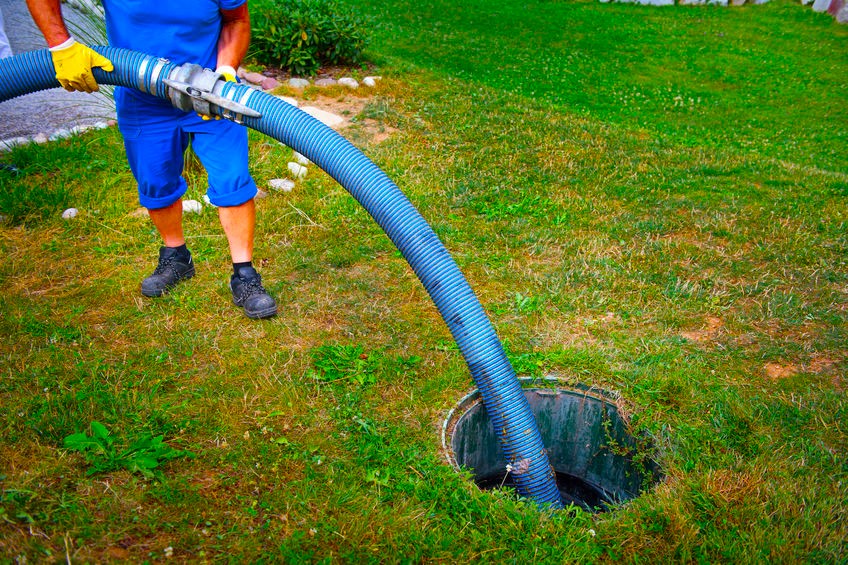
Most houses in areas bereft of centralized sewer systems rely on septic systems for wastewater treatment and disposal. These complex systems integrate natural processes and technology to manage household waste effectively. They’re often misunderstood as autonomous units that require minimal to no intervention. However, this is a common misconception that can lead to significant issues down the line. A septic system consists of a septic tank and a soil absorption field, also known as a drain field, which work together to filter and purify household wastewater. Homeowners need to understand that they’re responsible for the upkeep of this system, as regular maintenance is essential for its optimal functionality.

Regular Maintenance: A Necessary Routine

A septic system is not unlike a vehicle—it needs regular check-ups to run smoothly. A professional septic tank draining Orlando, FL that can recommend the appropriate service schedule should evaluate these systems every three years. The pumping frequency depends on the tank’s size, the number of people in the household, and the overall water use. Sticking to a maintenance routine not only prolongs the life of your system but also prevents health hazards and environmental damage due to system failure. A well-maintained septic system ensures proper wastewater treatment and prevents contamination of nearby water sources. Neglecting regular maintenance can result in costly repairs or even the need for a complete system replacement. By scheduling regular draining and inspection services with reputable professionals, homeowners can avoid these potential issues and enjoy peace of mind regarding their septic system’s functionality.

The Do’s and Don’ts of Septic System Upkeep

To properly care for your septic system, managing household waste is crucial. This means being conscious of what goes down your drains and toilets. Water must be conserved to reduce the volume of wastewater that must be treated and absorbed. Don’t dispose of non-biodegradable items in toilets, like diapers or plastics. One of the most harmful practices includes disposing of cooking grease and oils down sinks, which can clog the septic system’s pipes and cause backups.

Maintaining a Healthy Septic System in Different Climates

Climates across the country vary, each bringing challenges for septic systems. For example, in wetter climates, septic fields can become oversaturated, whereas in colder regions, systems might struggle with freezing temperatures. Each scenario might require different strategies to mitigate potential problems, such as increased inspections during wet seasons or added insulation for components in colder areas. Adapting maintenance procedures to local climate conditions is essential to protect the system’s integrity.

Septic System Pumping: When and Why It’s Necessary

Pumping is an integral component of septic system maintenance. Over time, solid waste accumulates and forms a layer of sludge at the bottom of the septic tank, and if not removed, it can lead to backups and other serious issues. Professionals inspect the tank for cracks, leaks, and other potential problems during a routine pump-out. The Environmental Protection Agency provides a comprehensive guide on The Benefits of Regular Septic Pumping, which homeowners will find indispensable.

The Environmental Aspect of Septic System Management

A well-maintained septic system is a sign of a responsible homeowner and an ally in the fight to protect our water resources. Efficient systems prevent the leaching of contaminants into soil and waterways, thereby upholding public health and environmental standards. The Centers for Disease Control and Prevention provides guidelines on protecting water quality with intelligent septic system practices, emphasizing the importance of proper septic management in safeguarding water quality.

Final Reflections on the Importance of Septic System Awareness

To sum up, septic system management is an often overlooked but critically important aspect of home maintenance. Simple practices and routine checks can extend the life of your system, prevent costly breakdowns, and protect the environment. By embracing our role as stewards of this essential infrastructure and heeding expert guidance, we ensure the well-being of our communities and the natural world surrounding us.

Featured Image Source:

Learn How to Permanently Remove Facial Hair

Facial hair can be a source of frustration for many individuals, leading them to seek permanent solutions for its removal. While various temporary methods exist, such as shaving, waxing, and threading, these techniques offer only temporary results and may require frequent maintenance. For those looking for a more permanent solution, several methods can effectively remove facial hair. In this comprehensive guide, we’ll explore different permanent hair removal options and provide insights into their effectiveness and safety.

Achieving Smooth Skin

Laser Hair Removal

Laser hair removal is a popular and effective method for permanently reducing facial hair. This procedure involves using a concentrated beam of light to target and destroy the hair follicles, inhibiting future hair growth. Laser hair removal is safe for most skin types and can be performed on various areas of the face, including the upper lip, chin, and cheeks.

During the procedure, a trained technician will administer the laser pulses to the treatment area, typically causing minimal discomfort. Multiple sessions are usually required to achieve optimal results, as hair grows in different stages and the laser is most effective during the active growth phase. While laser hair removal offers long-lasting results, it may not completely eliminate all hair, and occasional maintenance sessions may be necessary.

Electrolysis

Electrolysis is another permanent hair removal technique that works by destroying the hair follicles using a small electric current. Unlike laser hair removal, which targets multiple follicles simultaneously, electrolysis treats each follicle individually, making it suitable for small, precise areas like the eyebrows or upper lip.

During an electrolysis session, a fine probe is inserted into the hair follicle, and a mild electrical current is applied to destroy the follicle’s growth center. Over time, repeated treatments result in permanent hair removal. While electrolysis is highly effective, it can be time-consuming and may cause discomfort during the procedure. However, advancements in technology have made electrolysis more comfortable and efficient than ever before.

Prescription Medications

For individuals with hormonal imbalances or medical conditions contributing to excess facial hair growth, prescription medications may offer a solution. Medications such as oral contraceptives, anti-androgens, or topical creams containing eflornithine hydrochloride can help reduce facial hair growth by regulating hormone levels or inhibiting hair follicle activity.

Before considering prescription medications for facial hair removal, it’s essential to consult with a healthcare professional to determine the underlying cause of the excessive hair growth and evaluate the potential risks and benefits of treatment. Additionally, prescription medications may take time to produce noticeable results and may not be suitable for everyone.

FAQs

Is laser hair removal a permanent solution for facial hair?

Yes, laser hair removal is a permanent solution for reducing facial hair. This procedure targets hair follicles with concentrated light, inhibiting future hair growth. While multiple sessions may be required for optimal results, many individuals experience long-lasting hair reduction.

What is electrolysis, and does it permanently remove facial hair?

Electrolysis is a method of permanently removing facial hair by destroying hair follicles with a small electric current. Unlike laser hair removal, which targets multiple follicles simultaneously, electrolysis treats each follicle individually. With repeated sessions, electrolysis can provide permanent hair removal results.

Can prescription medications permanently remove facial hair?

Prescription medications may help reduce facial hair growth, especially for individuals with hormonal imbalances or medical conditions contributing to excess hair growth. Medications such as oral contraceptives, anti-androgens, or topical creams can regulate hormone levels or inhibit hair follicle activity, leading to long-term hair reduction. However, it’s essential to consult with a healthcare professional to determine the most suitable treatment approach.

Final Thought

Permanently removing facial hair requires careful consideration of the available options and individual preferences. Laser hair removal and electrolysis are highly effective methods for achieving long-term hair reduction, while prescription medications may be beneficial for addressing hormonal imbalances contributing to excessive hair growth. Consulting with a qualified dermatologist or licensed practitioner can help you determine the most suitable permanent hair removal solution based on your unique needs and circumstances. With the right approach, you can achieve smooth, hair-free skin and boost your confidence for years to come.