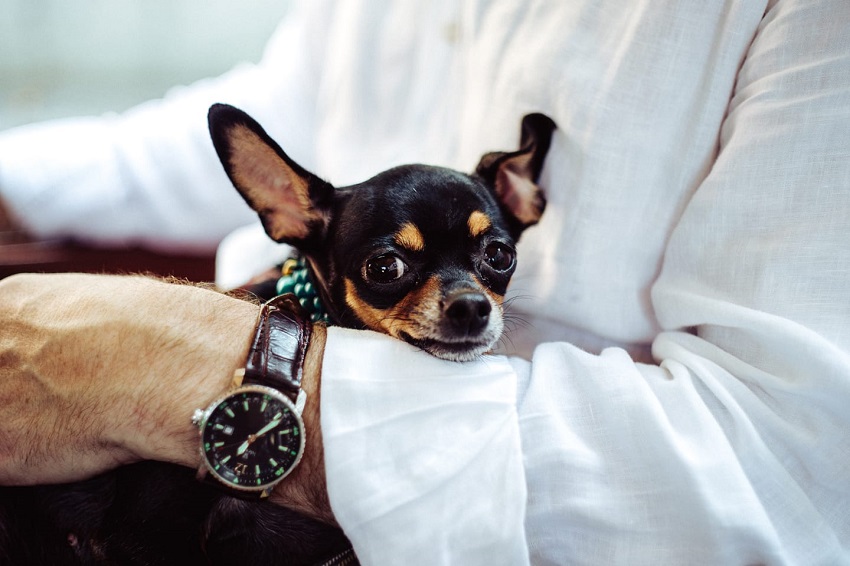

Picture this: it’s 2 AM, and you’re jolted awake by an eerie howling sound echoing through your home. Heart racing, you realize it’s not a ghost or an intruder—it’s your beloved dog, fast asleep on their bed, letting out haunting howls while their legs twitch and eyes dart beneath closed lids. If you’ve experienced this mysterious midnight serenade, you’re not alone. Millions of dog owners worldwide wonder about their pet’s sleep vocalizations, and today we’ll uncover the fascinating science behind why dogs howl in their sleep.
The Science Behind Canine Sleep Patterns
To understand why dogs howl during sleep, we must first explore how our four-legged companions experience rest. Dogs, much like humans, go through distinct sleep cycles that include both light sleep and deep REM (Rapid Eye Movement) phases. During these sleep stages, dogs experience dreams, muscle relaxation, and various forms of brain activity that can trigger physical responses.
Research conducted by veterinary sleep specialists indicates that dogs spend approximately 12-14 hours sleeping daily, with puppies and senior dogs requiring even more rest. During the REM phase, which accounts for roughly 10-12% of their total sleep time, dogs experience the most vivid dreams and are most likely to exhibit sleep behaviors like howling, barking, whimpering, or leg movements.
Primary Reasons Dogs Howl While Sleeping
Dreaming and REM Sleep Activity
The most common explanation for sleep howling relates to your dog’s dream state. Just as humans can talk, laugh, or cry in their sleep, dogs vocalize during dreams. When your pet howls in their sleep, they’re likely experiencing a vivid dream scenario that triggers their natural howling instinct.
Dreams in dogs often reflect their daily experiences, instincts, and memories. Your dog might be dreaming about chasing squirrels in the backyard, playing with other dogs at the park, or responding to sirens they heard earlier. These dream scenarios can activate their vocal cords, resulting in sleep howling that ranges from soft whimpers to full-throated howls.
Genetic Predisposition and Breed Characteristics
Certain dog breeds are more prone to howling behaviors, both during waking hours and sleep. Breeds with strong hunting or working backgrounds, such as Beagles, Bloodhounds, Siberian Huskies, and German Shepherds, possess heightened vocal instincts that may manifest during sleep.
These breeds were historically bred for communication purposes—whether signaling during hunts, alerting to dangers, or maintaining pack contact across distances. This genetic programming doesn’t simply disappear during sleep; instead, it can emerge through dream-induced vocalizations.
Processing Daily Experiences
Dogs use sleep as a crucial time for memory consolidation and emotional processing. If your dog encountered new experiences, stressful situations, or exciting events during the day, they might process these memories through sleep vocalizations. A trip to the veterinarian, meeting new dogs, or hearing unusual sounds can all contribute to more active dreaming and potential howling episodes.
When Sleep Howling Becomes a Concern
Distinguishing Normal from Problematic Behaviors
While occasional sleep howling is perfectly normal, certain signs warrant closer attention from pet parents. Normal sleep vocalizations typically last only a few seconds to a minute and occur sporadically. Your dog should easily wake up when gently called or touched, returning to peaceful sleep afterward.
Red Flags to Watch For
Monitor your dog’s sleep patterns for these concerning symptoms:
Excessive frequency: Howling multiple times nightly or for extended periods may indicate underlying issues such as anxiety, pain, or sleep disorders.
Difficulty waking: If your dog seems trapped in their dream state or appears confused and disoriented upon waking, this could signal a more serious condition requiring veterinary attention.
Physical distress signs: Excessive panting, trembling, or signs of pain during or after sleep episodes should be evaluated by a professional.
Behavioral changes: Increased anxiety, aggression, or lethargy during waking hours might connect to disrupted sleep patterns.
Age-Related Factors in Canine Sleep Behavior
Puppy Sleep Patterns
Young puppies often exhibit more frequent sleep vocalizations as their nervous systems develop and they process new experiences. Puppy dreams tend to be more active, reflecting their rapid learning and adaptation to their environment. Sleep howling in puppies usually decreases as they mature and their sleep patterns stabilize.
Senior Dog Considerations
Older dogs may experience changes in sleep quality due to cognitive decline, arthritis, or other age-related conditions. Senior canines might howl more frequently due to confusion, discomfort, or canine cognitive dysfunction (similar to dementia in humans). These age-related changes require special attention and potentially modified sleeping arrangements to ensure comfort.

Environmental Influences on Dog Sleep Behavior
External Sounds and Stimuli
Even during sleep, dogs maintain some awareness of their surroundings. Distant sirens, other dogs barking, or unusual household noises can trigger sleep howling as your dog responds to these stimuli while dreaming. Creating a quiet, comfortable sleep environment can help minimize these disruptions.
Stress and Anxiety Factors
Dogs experiencing anxiety or stress may exhibit more frequent sleep disturbances, including howling. Changes in routine, new family members, moving to a new home, or separation anxiety can all contribute to restless sleep and increased vocalizations.
Practical Solutions for Managing Sleep Howling
Creating an Optimal Sleep Environment
Establish a comfortable, secure sleeping area for your dog with appropriate bedding, consistent temperature, and minimal noise disturbances. Consider using white noise machines or calming music specifically designed for dogs to mask external sounds that might trigger sleep responses.
Maintaining Consistent Routines
Dogs thrive on predictability, and consistent daily routines can improve sleep quality. Regular feeding times, exercise schedules, and bedtime routines help regulate your dog’s internal clock and promote more restful sleep.
Exercise and Mental Stimulation
Adequate physical exercise and mental stimulation during waking hours contribute to better sleep quality. A tired dog is more likely to experience deep, peaceful sleep with fewer disturbances. Incorporate daily walks, play sessions, and puzzle toys to tire both body and mind.
Stress Reduction Techniques
For anxious dogs, consider implementing calming strategies such as aromatherapy with dog-safe essential oils, anxiety wraps, or calming supplements recommended by your veterinarian. These tools can help reduce stress-related sleep disturbances.
When to Consult Your Veterinarian
Professional Evaluation Guidelines
Schedule a veterinary consultation if sleep howling becomes frequent, intense, or accompanies other concerning symptoms. Your veterinarian can rule out underlying medical conditions, pain issues, or sleep disorders that might require treatment.
Potential Medical Interventions
In severe cases, veterinarians might recommend sleep aids, anxiety medications, or other interventions to improve your dog’s sleep quality. Never administer human sleep medications to dogs, as many are toxic to canines.
Supporting Your Dog’s Healthy Sleep Habits
Understanding that sleep howling is typically a normal canine behavior can help reduce your worry while ensuring you remain attentive to your pet’s needs. Most dogs who howl in their sleep are simply experiencing vivid dreams and processing their daily experiences in a healthy way.
Remember that every dog is unique, and what constitutes normal sleep behavior varies among individuals, breeds, and ages. By observing your dog’s patterns and maintaining open communication with your veterinarian, you can ensure your furry friend enjoys the restful sleep they need for optimal health and happiness.
Take Action for Better Canine Sleep
Your dog’s sleep quality directly impacts their overall well-being, behavior, and happiness. Start tonight by evaluating your pet’s sleep environment and implementing the strategies discussed in this guide. Create a comfortable sleeping space, establish consistent routines, and monitor your dog’s sleep patterns for any concerning changes.
If you’re worried about your dog’s sleep howling or notice any red flags mentioned above, don’t hesitate to contact your veterinarian for professional guidance. Share your observations about frequency, duration, and any accompanying symptoms to help your vet provide the best care for your beloved companion.
Related Topics:
Unraveling the Mystery of Why Do Dogs Eat Grass