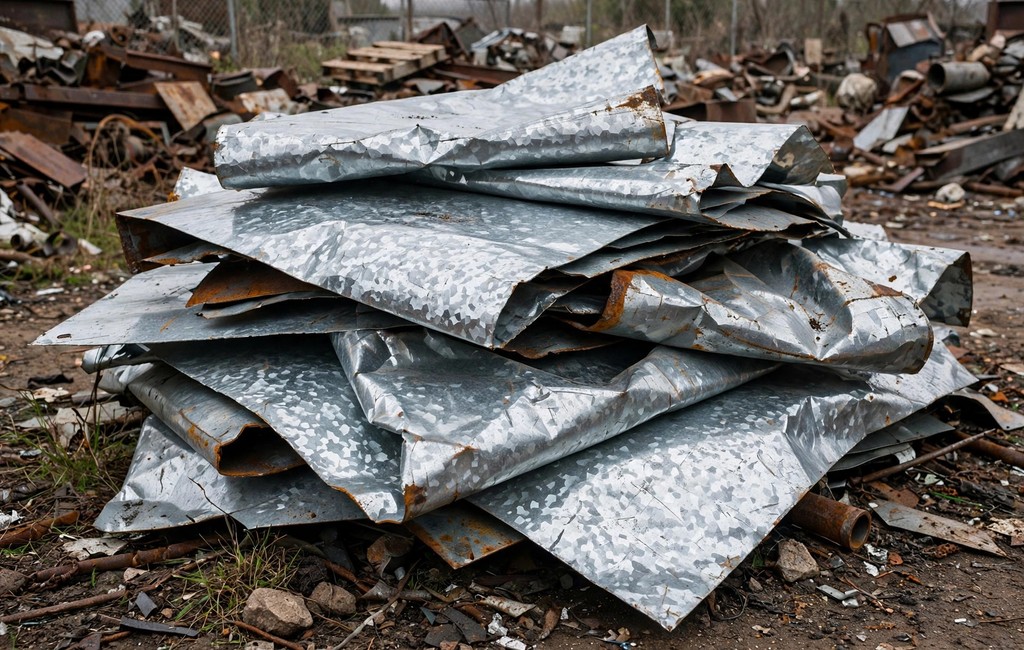
That dull, spangled gray fence panel looks like it could be worth something. Then you search online and discover prices that seem to describe an entirely different material. So which number is real?
The galvanized steel scrap price is often buried beneath pages about what new galvanized sheet costs at a supplier. Sellers need a different answer. This guide explains what yards actually pay, why galvanized steel earns less than copper or aluminum, how to identify it, and how to handle it safely.
What is galvanized steel?
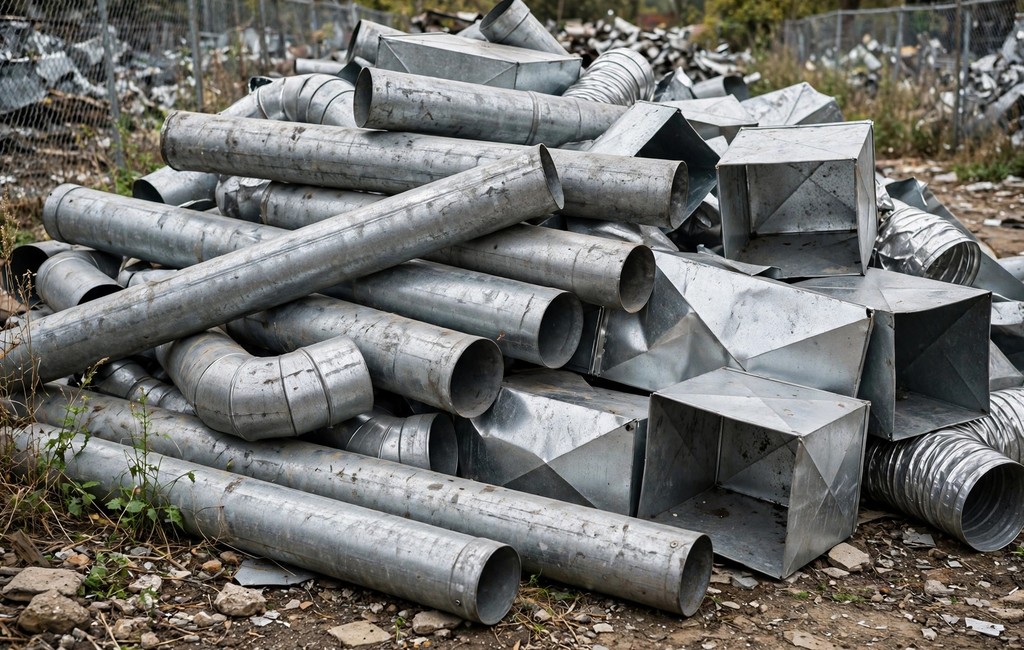
Galvanized steel is ordinary carbon steel coated with zinc to resist rust. The coating gives it a distinctive matte gray look, sometimes with a crystalline pattern called spangle. You will find it in fences, gutters, roofing, ductwork, conduit, pipe, buckets, and countless pieces of outdoor equipment.
Because the base metal is steel, galvanized scrap is magnetic and counts as ferrous scrap. That puts it in the same low-value family as ordinary light iron, which is priced for volume rather than premium.
Galvanized steel scrap price: what do yards pay?
Expect pennies per pound. Many yards price galvanized material alongside light or mixed steel, and rates are commonly quoted by the ton, often in the range of tens of dollars to low hundreds per ton, depending on the market and your region. A price of $100 per ton, for instance, equals five cents a pound.
The zinc coating can slightly complicate processing at the mill, which is one reason some buyers pay a little less than for clean, uncoated steel. Others simply treat it as ordinary steel. The best way to know is to ask your local yard how they classify it.
Why prices online seem so inconsistent
Search results often mix two worlds. One is the price of new galvanized sheet or coil from a steel supplier, which is quoted in dollars per pound and is far higher. The other is the scrap value of old galvanized material, which is much lower. If you are selling, ignore retail and supplier prices entirely and focus on yard buying rates.
Spelling adds confusion. You will see both galvanized and galvanised, depending on where the writer lives. The metal is identical, and so is the market, so use both spellings when searching for local buyers.
How to identify galvanized steel
- Magnet test: A magnet sticks firmly, which separates it from aluminum, copper, brass, and most stainless.
- Appearance: A dull, matte gray surface, often with a flowery spangle pattern on newer pieces.
- Weathering: Older galvanized metal turns uniformly dull gray and may show white zinc corrosion.
- Common items: Pipes, fence posts, chain-link, gutters, ductwork, and roofing sheets are typical.
Safety: never burn or weld galvanized metal carelessly
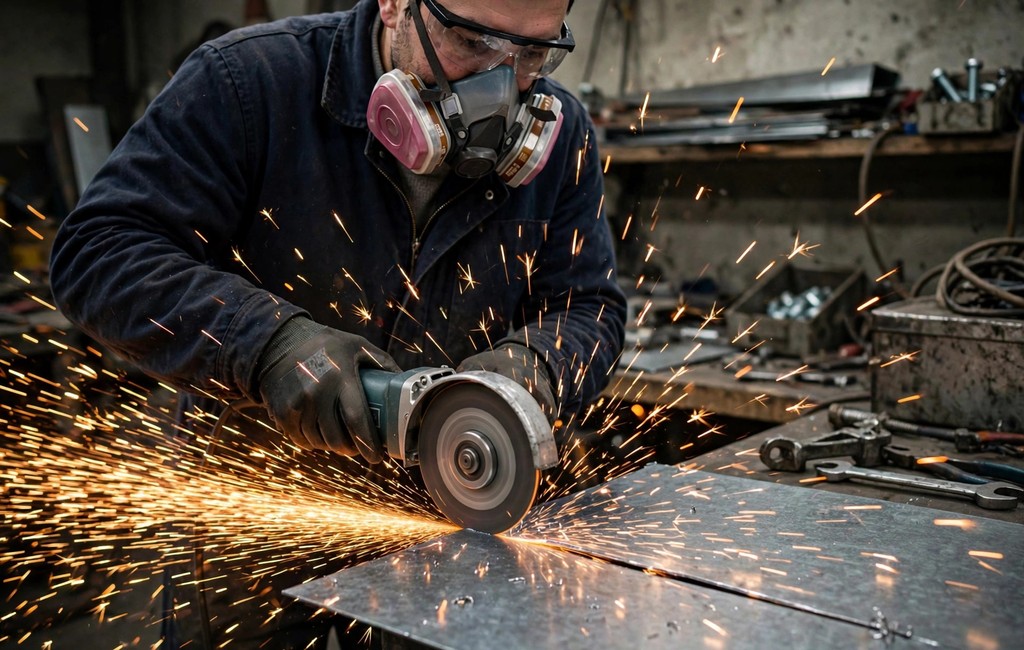
This is the point many guides skip. Heating galvanized steel, whether by cutting, welding, or burning, vaporizes the zinc coating and releases fumes. Breathing them can cause an illness often called metal fume fever, with flu-like symptoms. If you must cut it, do so outdoors with strong ventilation and appropriate respiratory protection, or better yet use mechanical methods such as shears or a saw. Do not burn galvanized material in a fire pit.
Ways to earn more from a galvanized haul
- Pull the valuable extras: Brass fittings, copper wire in conduit, and aluminum parts are worth many times more per pound than the steel. Remove them and sell them separately.
- Sort by type: Keep galvanized steel apart from aluminum, stainless, and heavy iron so that nothing gets downgraded.
- Cut to size if required: Many yards ask that long pieces be cut to manageable lengths. Check their limits.
- Bring volume: Because the rate is low, bring full loads or pair the haul with more valuable scrap.
- Ask about pickup: Some yards offer roll-off containers or collection for large cleanouts.
Is it better to sell or reuse?
Intact galvanized panels, tubs, and troughs often have reuse value. Farm supply buyers, gardeners, and DIY builders may happily pay for sound pieces. A few minutes browsing local classifieds can turn a five-dollar scrap load into a better deal.
Frequently asked questions
Is galvanized steel worth anything as scrap?
Yes, but it is a low-value metal. Its worth comes from weight, so larger loads matter far more than individual pieces.
Is galvanised steel scrap the same as galvanized?
Yes. The spelling differs by region, but the material and the scrap market are the same.
Why does galvanized scrap pay less than aluminum?
Because it is mostly steel, which is far cheaper per pound than non-ferrous metals like aluminum, copper, or brass.
Are galvanized pipes worth more with fittings attached?
Not usually. Brass or copper fittings are worth more if separated, while attached steel and plastic can lower the grade.
Is it safe to cut galvanized steel?
It can be, with precautions. Prefer shears or saws over torches, work outdoors, and avoid breathing fumes whenever heat is involved.
What to do next
Do a magnet test on your pile, strip off any brass or copper, and call two local yards for their current price on galvanized or light steel. Tell us in the comments what you have, and we will help you sort it. Subscribe for more clear, honest scrap price guides.