
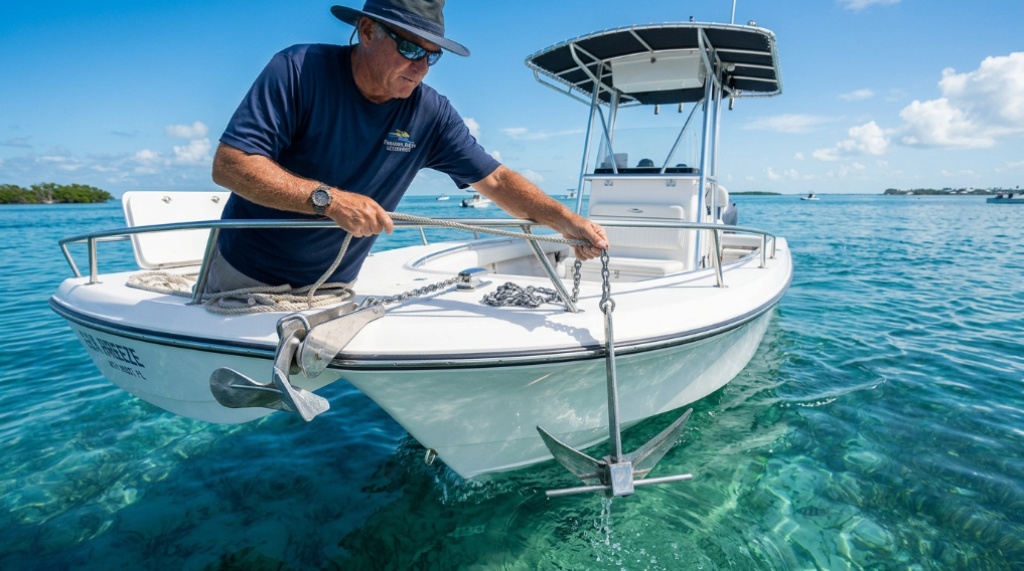
You’ve found the perfect sandbar, the sunset is starting, and you drop anchor—only to have a marine patrol officer pull alongside and ask you to move. In Florida, anchoring isn’t as simple as finding a quiet spot and letting out line. The state has specific rules about where you can anchor, how long you can stay, and what equipment you need on board. One detail that trips up many small-boat owners is rope selection: choosing the right anchor rope for small boats affects how well your anchor holds in Florida’s varied bottom conditions, from grassy flats to shifting sand. Add the right rope to the right rules, and you’ll avoid fines, drags, and awkward conversations with law enforcement.
Quick Answer
Florida generally allows anchoring in navigable waters outside marked channels and exclusion zones, but local ordinances can restrict anchoring in specific areas. You cannot anchor in swim zones, near public mooring fields in certain counties, or in areas marked by regulatory buoys. Recreational vessels must carry an anchor and appropriate line, and no state law sets a maximum anchoring time—though local rules may limit stays to 72 hours or impose other restrictions. Always check local county rules before dropping anchor.
Key Takeaways
- Florida law permits anchoring in most navigable waters, but local governments can restrict specific areas—so county rules matter as much as state law.
- Anchoring is prohibited in marked swim zones, certain mooring fields, and areas with regulatory markers restricting anchorage.
- Your anchor rode setup—rope, chain, and scope ratio—determines whether you hold or drag, especially in Florida’s variable seabeds.
- Some Florida counties enforce anchoring time limits, often around 72 hours, and require proper anchoring equipment on board.
- Check local ordinances before overnight anchoring, particularly in popular areas like the Florida Keys, Sarasota, and Miami-Dade.
Where Can You Legally Anchor in Florida?
Florida Statute 327.60 forms the backbone of anchoring law in the state. It generally allows vessels to anchor in navigable waters, but that permission comes with conditions. You cannot anchor in a way that obstructs navigation, creates a hazard, or blocks access to a public boat ramp, dock, or marina entrance. You also cannot anchor in areas where anchoring is specifically prohibited by state or local rules.
What surprises many boaters is how much power local governments have. Counties and municipalities can establish anchoring limitation areas and mooring fields. In these zones, you may be required to use a designated mooring ball rather than dropping your own anchor. The Florida Fish and Wildlife Conservation Commission (FWC) enforces these rules, and local marine patrol units often do the same.
Common Anchoring Restrictions You’ll Encounter
- Swim zones: Marked with buoys, typically near beaches. Anchoring inside these is prohibited for obvious safety reasons.
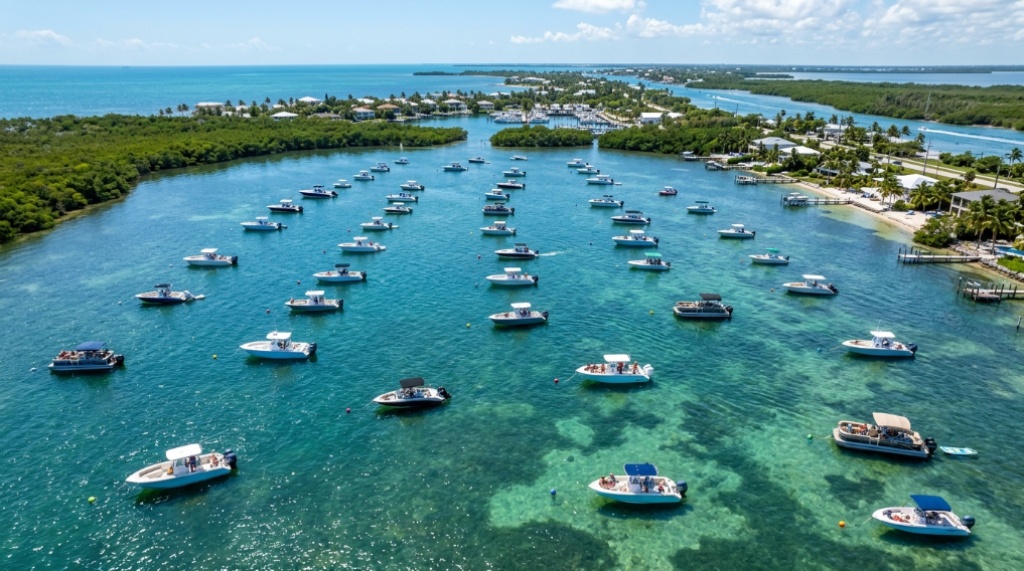
- Mooring fields: Areas where boats must use provided moorings instead of anchors. Common in the Keys, St. Augustine, and parts of Sarasota Bay.
- Manatee protection zones: Some seasonal or year-round zones restrict anchoring to protect seagrass beds and manatee habitats.
- Navigation channels: Anchoring in a marked channel is illegal and dangerous. You must keep channels clear for passing traffic.
- Military or security zones: Areas near naval bases, power plants, or port facilities may have permanent anchoring bans.
Do You Need Specific Equipment to Anchor in Florida?
Florida law requires recreational vessels to carry an anchor and enough line to anchor safely for the conditions. The law does not specify rope diameter, length, or type—but practical anchoring demands more than the minimum legal requirement.
Your anchor rode (the line connecting anchor to boat) should match your boat’s size, displacement, and the typical anchoring depth in your area. For small boats under 25 feet, many captains use a combination of chain and nylon rope. The chain adds weight to keep the anchor’s shank low and improve holding, while nylon provides stretch to absorb wave and wind loads.
Choosing the Right Rope for Florida Waters
Florida anchoring conditions vary widely. You might anchor in soft mud in the Intracoastal Waterway, hard sand off the Atlantic coast, or grassy bottoms in Tampa Bay. Each bottom type affects how your anchor sets and how much scope you need.
A few practical considerations for small-boat anchor rope:
- Nylon is the standard choice. It stretches under load, which reduces shock on your cleats and anchor. It also resists rot and UV damage better than natural fibers.
- Three-strand vs. braided: Three-strand nylon is economical and easy to splice. Braided nylon is stronger for its diameter and handles better on a windlass, but costs more.
- Diameter matters. A boat in the 16–22 foot range typically uses 3/8-inch line. Boats 22–30 feet often use 1/2-inch. Going too thin risks breakage; going too thick is harder to handle and stow.
- Length should be at least 7–10 times your maximum anchoring depth. For a 10-foot depth, that means 70–100 feet of rope. In rough conditions or strong currents, more scope is better.
Chain length also matters. A common rule is to use one foot of chain for every foot of boat length, though some captains use less. The chain protects the rope from abrasion on the bottom and helps the anchor set more reliably, planning to buy a vessel for your local trips? check out our guide on how to navigate the used boat market for coastal cruising in tampa, fl to find the right boat.
How Long Can You Anchor in One Spot?
Florida does not have a statewide time limit for recreational anchoring. However, many counties and municipalities have enacted their own limits, often 72 hours in one location. After that, you may need to move or use a designated mooring.
These local rules are not uniform. Some areas allow longer stays; others are stricter. The Florida Keys, for example, have specific anchoring and mooring regulations that differ from mainland counties. Sarasota, Miami-Dade, and other coastal counties have their own ordinances.
If you plan to anchor overnight or for extended periods, check the specific county’s rules before you go. The FWC website and local marine patrol offices are good starting points. Ignorance of local rules is not a defense, and fines can add up quickly.
Anchoring vs. Mooring: What’s the Difference?
Anchoring means using your own ground tackle—anchor, chain, and rope—to secure the boat. Mooring means tying to a permanent fixture, like a mooring ball or buoy, that is already installed in the water. Some Florida areas require you to use moorings instead of anchoring, particularly in environmentally sensitive zones or crowded anchorages.
Mooring fields are common near popular destinations. They reduce damage to seagrass and coral by concentrating boat traffic in specific areas. If you see a mooring field, assume anchoring is restricted or prohibited within its boundaries unless signs say otherwise.
Common Anchoring Mistakes Florida Boaters Make
Even experienced captains run into trouble. Here are mistakes that lead to drags, fines, or damaged equipment:
- Not enough scope. Letting out too little line is the most common cause of dragging. A 3:1 ratio might work in calm conditions, but 5:1 or 7:1 is safer in wind or current.
- Anchoring in the wrong bottom. Grass, rock, and coral give poor holding. Sand and mud are better. If your anchor skips across the bottom without setting, try a different spot.
- Ignoring local restrictions. Assuming state law overrides local rules is a costly mistake. Always check county ordinances.
- Using worn or undersized rope. A frayed line or one that’s too thin for your boat can part under load. Inspect your rode before every trip.
- Not setting the anchor properly. Dropping anchor and immediately cleating it off without backing down to set it leads to drags. Put the boat in reverse briefly to dig the anchor in.
- Anchoring in a channel or fairway. This obstructs traffic and is illegal. Move outside the marked channel before anchoring.
Practical Anchoring Tips for Florida Waters
Florida’s tides, currents, and weather can change quickly. A spot that holds well at noon may be exposed to a strong afternoon sea breeze or tidal current by evening. A few habits make anchoring safer and more predictable:
- Check the forecast and tide charts. Wind direction and tidal range affect how your boat swings and how much scope you need.
- Look at the bottom type on your chartplotter. Many charts indicate sand, mud, grass, or rock. Choose sand or mud when possible.
- Approach slowly and head into the wind or current. This helps you control the boat and lay out your rode in a straight line.
- Let out scope gradually. Pay out line as the boat falls back, then cleat it off and back down gently to set the anchor.
- Take a transit. Pick two fixed points on shore that line up. If they shift over time, you’re dragging—reset immediately.
- Use an anchor alarm if staying overnight. A GPS anchor alarm or a simple depth alarm can wake you if the boat moves.
Frequently Asked Questions
Can I anchor anywhere in Florida?
No. While Florida generally allows anchoring in navigable waters, local ordinances can prohibit anchoring in specific areas, including swim zones, mooring fields, manatee protection zones, and marked channels. Always check local rules before anchoring.
How long can I legally anchor my boat in Florida?
Florida has no statewide time limit, but many counties and municipalities enforce their own limits, often 72 hours in one location. Check the specific county’s ordinance if you plan an extended stay.
What type of anchor rope is best for small boats in Florida?
Nylon rope is the standard choice because it stretches to absorb shock and resists UV and rot. Three-strand nylon is economical; braided nylon is stronger and easier to handle. Match the diameter to your boat size—typically 3/8-inch for boats under 22 feet.
Do I need a permit to anchor in Florida?
Recreational boaters do not need a permit to anchor in most areas. However, liveaboard vessels and long-term anchorage may be subject to local regulations or require permits in certain counties.
What happens if I anchor illegally in Florida?
Penalties vary by jurisdiction. You may receive a warning, a fine, or be required to move immediately. Repeat violations can lead to higher fines or other enforcement actions.
Is it legal to anchor overnight in Florida?
In many areas, yes—provided you follow local rules and are not in a prohibited zone. Some counties restrict overnight anchoring in specific areas or require the use of moorings. Check local ordinances before planning an overnight stay.
Conclusion
Anchoring in Florida comes down to two things: knowing the rules and having the right gear. State law allows anchoring in most navigable waters, but local ordinances can restrict where and how long you can stay. Carry proper ground tackle, use enough scope, and check county rules before you drop anchor. For small-boat owners, a reliable anchor rope matched to your boat and typical anchoring conditions makes the difference between a secure night on the water and a dragged anchor at 2 a.m. Stay informed, stay equipped, and enjoy Florida’s waters responsibly.