
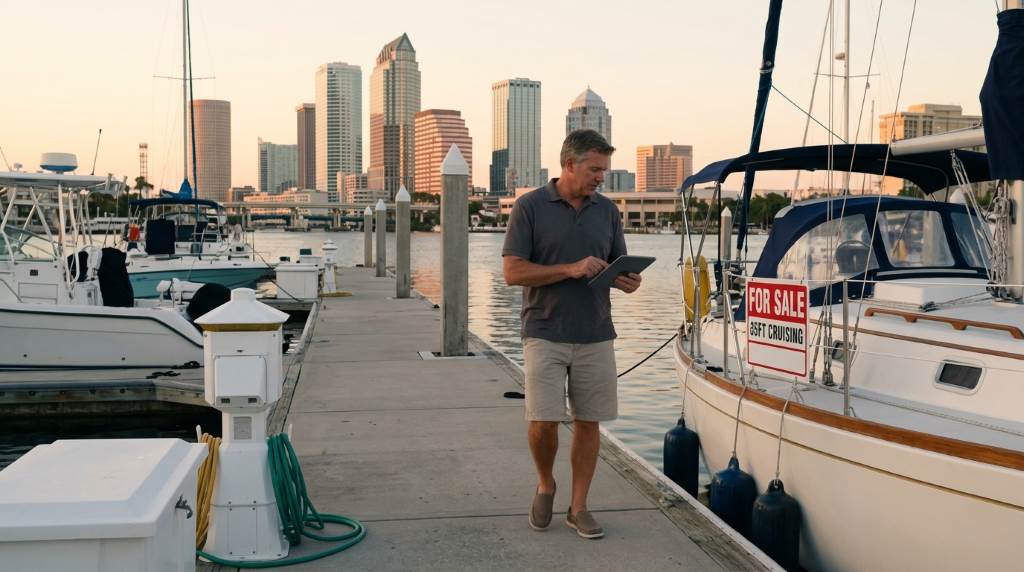
Tampa ranks among the busiest boating cities in Florida, with more than 700 miles of shoreline supporting active coastal travel and fishing. Many buyers now prefer used boats because prices for new models have increased by nearly 10% in recent years. Coastal cruising in Tampa also demands careful attention to engine condition, fuel quality, and weather readiness. Buyers who research mercury 4 stroke fuel requirements often avoid expensive maintenance issues later. Tampa’s warm climate and saltwater exposure create unique challenges, so every purchase decision should focus on durability, safety, and long term value.
Understand Tampa’s Coastal Boating Environment
Tampa offers calm bays, shallow flats, and open Gulf waters that create different boating needs. Coastal cruisers often travel through changing tides, narrow channels, and sudden afternoon storms. Therefore, buyers should focus on hull stability and reliable navigation equipment before considering luxury features. Boats designed for inland lakes may struggle with saltwater corrosion and rough coastal conditions.
Humidity and year round heat also affect upholstery, electronics, and engine performance over time. Buyers should inspect sun damage on seats, cracked dashboards, and faded wiring during every viewing. In addition, Tampa boat owners frequently upgrade deck equipment for fishing and watersports. Many coastal cruisers also carry accessories similar to a complete surfboard gear setup because Gulf activities often combine boating with paddleboarding or surfing.
Choose the Right Type of Used Boat
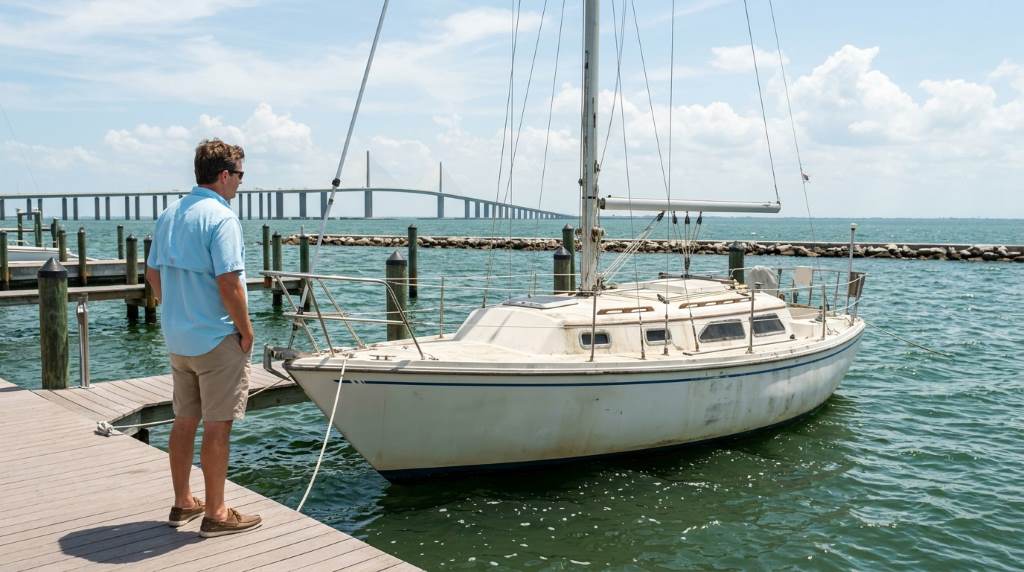
Different coastal cruising styles require different boat categories in Tampa waters. Center consoles remain popular because they handle fishing, island hopping, and light offshore travel effectively. Cabin cruisers provide overnight comfort, while dual consoles support family recreation with flexible seating. Buyers should define their primary activity before comparing listings online or visiting dealerships.
Smaller boats between 20 and 28 feet often work best for Tampa Bay conditions. These vessels can navigate shallow water while still offering enough fuel capacity for coastal cruising. However, larger boats may provide smoother rides during rough Gulf conditions. First time buyers should balance comfort, operating cost, and docking limitations carefully.
Popular Boat Options for Tampa Cruising
- Center consoles for fishing and flexible cruising
- Dual consoles for family outings and water sports
- Cuddy cabins for short overnight trips
- Express cruisers for extended coastal travel
- Bay boats for shallow water navigation
Inspect Saltwater Damage Carefully
Saltwater exposure remains one of the biggest risks in Florida’s used boat market. Corrosion can spread through wiring, engine mounts, steering systems, and trailer components without obvious warning signs. Therefore, buyers should inspect hidden compartments and under deck spaces carefully before making offers. A clean exterior alone does not guarantee strong structural condition.
Rust stains near bolts or hinges often reveal long term maintenance neglect. Buyers should also check for soft flooring, blistering fiberglass, and leaking seals around storage compartments. In addition, Tampa’s humid climate increases mold growth inside enclosed cabins and storage lockers. Boat owners who spend long days on the Gulf often use comfort focused clothing advice like preventing water activity chafing because heat and moisture remain constant challenges on coastal trips.
Review Engine Hours and Service History
Engine condition matters more than cosmetic appearance when buying a used coastal cruiser. Most reliable marine engines can exceed 1,500 operating hours with proper maintenance and fuel management. However, neglected cooling systems or poor storage habits can shorten lifespan significantly. Buyers should always request detailed maintenance records before scheduling inspections.
Professional mechanics can perform compression tests and electronic diagnostics that reveal hidden problems quickly. These inspections often identify issues that casual buyers cannot recognize during short sea trials. Furthermore, regular oil changes and corrosion treatment indicate responsible ownership patterns. A well maintained older engine usually performs better than a newer engine with inconsistent service history.
Important Engine Inspection Points
- Check engine hours against maintenance logs
- Inspect propellers for damage or imbalance
- Verify cooling system operation during testing
- Review fuel tank condition and connections
- Confirm battery and charging system reliability
Know the Best Places to Search
Tampa buyers have access to marinas, private sellers, dealerships, and online boat marketplaces. Each source offers different advantages depending on budget, experience, and preferred boat style. Dealerships often provide financing and warranties, while private sellers may offer lower pricing flexibility. Buyers should compare multiple listings instead of rushing into the first attractive deal.
Local marinas sometimes display boats from seasonal owners who maintain vessels carefully but use them infrequently. Additionally, Tampa boat shows create excellent opportunities to compare layouts, engines, and pricing trends in one location. Buyers should visit several docks during weekends because active marinas reveal how boats perform in real coastal conditions. Observing storage methods and maintenance habits can provide valuable insight before purchase decisions.
Schedule a Proper Sea Trial
A sea trial helps buyers evaluate handling, engine response, vibration levels, and onboard comfort under real conditions. Tampa waters offer ideal testing opportunities because buyers can experience shallow channels, open bay sections, and changing wakes during one outing. Therefore, every used boat purchase should include at least one extended water test. Short dockside engine checks cannot reveal steering or stability issues fully.
Buyers should test acceleration, idle performance, trim response, and navigation electronics carefully during the trip. In addition, they should inspect bilge pumps, gauges, and live wells while the vessel remains underway. Experienced captains often recommend testing boats during windy afternoons because rougher conditions expose structural weaknesses faster. Any unusual vibration or delayed throttle response deserves immediate professional review.
Understand Tampa Insurance and Docking Costs
Many first time buyers focus only on purchase price while ignoring ongoing ownership expenses. Tampa marina fees, fuel costs, insurance premiums, and hurricane preparation can increase annual expenses significantly. Therefore, buyers should calculate total ownership budgets before signing contracts or financing agreements. Coastal cruising requires more maintenance than occasional inland boating.
Insurance companies may also require marine surveys before approving coverage for older vessels. Some policies include hurricane haul out clauses that affect marina choices and emergency planning. In addition, docking costs vary widely depending on waterfront location and vessel size. Buyers who plan overnight cruising should compare marina amenities, security, and storm protection carefully.
Look Beyond Cosmetic Upgrades
Many sellers invest heavily in cosmetic improvements to attract buyers quickly. Fresh paint, upgraded speakers, and modern lighting can create strong first impressions during walkthroughs. However, structural integrity and mechanical reliability matter far more for safe coastal cruising. Buyers should prioritize hull condition, electrical systems, and maintenance quality above decorative upgrades.
Electronics upgrades can also hide outdated wiring or overloaded battery systems beneath panels. Therefore, marine surveyors should inspect recent modifications carefully before finalizing negotiations. Tampa’s intense summer heat places extra strain on poorly installed electronics and aftermarket accessories. Reliable wiring and waterproof installation standards remain essential for long term performance.
Pay Attention to Seasonal Market Timing
Boat prices in Tampa often fluctuate with tourism patterns, weather conditions, and fishing seasons. Sellers typically raise prices during spring and early summer when boating demand increases sharply. However, buyers may find stronger negotiation opportunities during late fall and winter months. Timing alone can save thousands of dollars on comparable used boats.
Hurricane season also influences local inventory levels because some owners sell boats before storm preparation expenses increase. In addition, end of season sales frequently include trailers, electronics, and safety equipment within the purchase package. Buyers who remain patient often discover better maintained boats during slower market periods. Careful timing can improve both value and selection quality.
Use Marine Surveys to Protect Your Investment
Professional marine surveys provide detailed evaluations that help buyers avoid costly surprises after purchase. Surveyors inspect hull structure, electrical systems, fuel lines, safety equipment, and mechanical components thoroughly. Therefore, buyers should never skip surveys simply to reduce upfront expenses. A single hidden repair issue can exceed the cost of professional inspections quickly.
Survey reports also support financing approval and insurance applications for many used boats. Furthermore, buyers can use inspection findings to negotiate repairs or price reductions before closing deals. Tampa surveyors understand local saltwater damage patterns and marina conditions better than general inspectors. Their regional experience often identifies issues that outside buyers may overlook.
Consider Storage and Hurricane Preparation
Tampa boat owners face annual hurricane risks that affect storage planning and insurance requirements. Buyers should evaluate marina evacuation procedures and trailer availability before purchasing larger vessels. Dry storage facilities often provide better protection from storm surge and constant saltwater exposure. However, wet slips offer faster access for frequent cruising trips.
Coastal cruisers also require reliable anchors, emergency communication systems, and updated weather tracking tools. In addition, many experienced Tampa captains keep spare fuel filters and emergency repair kits onboard year round. Buyers who understand storm preparation costs early can avoid stressful financial surprises later. Practical preparation often determines whether boat ownership remains enjoyable during Florida storm seasons.
Think About Resale Value Early
Smart buyers consider future resale potential before purchasing any used boat. Certain brands maintain stronger reputations in Florida markets because they resist corrosion and hold value consistently. Therefore, buyers should research regional demand patterns and common repair concerns before finalizing deals. Boats with reliable maintenance records usually attract stronger resale interest later.
Popular layouts, fuel efficient engines, and updated navigation systems often improve long term marketability. In contrast, highly customized interiors may reduce appeal for future buyers with different boating priorities. Tampa buyers should also preserve detailed service documentation from the first day of ownership. Organized records create buyer confidence during future resale negotiations.
Conclusion
Navigating the used boat market for coastal cruising in Tampa requires patience, careful inspections, and realistic budgeting. Buyers who focus on maintenance history, structural integrity, and local weather conditions often make smarter long term investments. In addition, professional surveys and sea trials reduce the risk of expensive surprises after purchase. Many Tampa cruisers also research practical gear decisions such as choosing water protection clothing because Gulf conditions change quickly during extended outings.
Every successful boat purchase begins with preparation and disciplined decision making. Tampa offers outstanding coastal cruising opportunities for buyers who choose vessels suited to local waters and climate conditions. Therefore, compare multiple listings, inspect carefully, and never rush negotiations under pressure. Start exploring Tampa’s used boat market today and invest in a vessel that supports safe, enjoyable coastal adventures for years ahead.
FAQs
What boat size works best for Tampa coastal cruising?
Boats between 20 and 28 feet usually balance shallow water access, comfort, and fuel efficiency effectively.
Should I always get a marine survey before buying?
Yes, a professional marine survey helps identify hidden structural and mechanical problems before purchase.
When is the best time to buy a used boat in Tampa?
Late fall and winter often provide lower prices and stronger negotiation opportunities.
How important are engine maintenance records?
Maintenance records help verify proper servicing and reduce the risk of unexpected repair costs.
Do Tampa boats require special hurricane preparation?
Yes, Tampa boat owners should plan for storm storage, insurance coverage, and emergency equipment readiness.