You push hard at the gym. You sweat. That is perfectly normal. However, what is not so normal is wearing a shirt that smells bad after just one session. Choosing the right workout shirt can make a huge difference. The right fabric, fit, and care routine will keep you fresh, comfortable, and confident every time you exercise.
This guide will walk you through everything you need to know. From fabric science to washing tips, you will find practical advice that actually works.
Why Your Workout Shirt Smells in the First Place
Before choosing a better shirt, it helps to understand why shirts smell at all. Sweat itself is mostly water. It does not have a strong odor on its own. The real problem is bacteria. When sweat sits on fabric, bacteria grow quickly. They break down the sweat and produce the unpleasant smell you notice after a workout.
Additionally, some fabrics trap sweat more than others. Thick, heavy materials hold moisture close to your skin. This creates a warm, damp environment where bacteria thrive. Therefore, the first step to avoiding smelly shirts is choosing fabrics that move moisture away from your body fast.
The Best Fabrics for Sweat-Free Workouts
Polyester and Nylon Blends
Polyester is one of the most popular choices for gym wear. It dries very quickly, which means bacteria have less time to grow. Nylon works in a similar way. Both fabrics are lightweight and durable. They also hold their shape well, even after many washes.
However, there is a downside. Pure synthetic fabrics can sometimes trap odors over time. The good news is that many modern quick-dry t-shirts are now treated with antimicrobial finishes. These finishes slow down bacterial growth significantly.
Merino Wool
Merino wool sounds like an odd choice for the gym. However, it is one of the best natural fabrics for managing sweat and odor. It absorbs moisture without feeling wet. It also has natural antimicrobial properties, which means it resists odor much better than standard cotton.
Merino wool shirts tend to cost more. Nevertheless, many serious athletes swear by them for longer workouts and outdoor activities.
Bamboo Fabric
Bamboo is a newer option in the world of athletic wear. It is soft, breathable, and naturally resistant to bacteria. Additionally, it is a sustainable choice, which appeals to many eco-conscious shoppers.
Bamboo fabric is not always as quick-drying as polyester. However, it performs well for moderate workouts and low-intensity training sessions.
What to Avoid
Cotton is the most common fabric in everyday clothing. However, it is one of the worst choices for exercise. Cotton absorbs sweat and holds it against your skin. It stays wet for a long time. This makes it a breeding ground for the bacteria that cause odors. Therefore, try to avoid 100% cotton shirts for any workout that makes you sweat.
Key Features to Look for When Buying
Moisture-Wicking Technology
Moisture-wicking is a term you will see on many athletic shirts. It means the fabric is designed to pull sweat away from your skin and push it to the surface of the shirt. From there, the sweat evaporates quickly. This keeps you drier and cooler during exercise.
Look for this feature on the product label or description. It is one of the most important qualities in any good gym shirt.
Antimicrobial or Odor-Resistant Treatment
Many brands now offer odor-resistant gym wear with built-in antimicrobial properties. These treatments are added during the manufacturing process. They target the bacteria that cause odors and slow their growth. Some treatments use silver particles, while others use zinc or plant-based compounds.
It is worth noting that these treatments can fade over time. Follow the washing instructions carefully to preserve them as long as possible.
Flatlock Seams
This feature is often overlooked. Flatlock seams lie flat against your skin instead of sticking up. This reduces chafing during movement. Chafed skin can also be more prone to irritation when soaked in sweat. So this small detail matters more than many people realize.
Fit and Ventilation
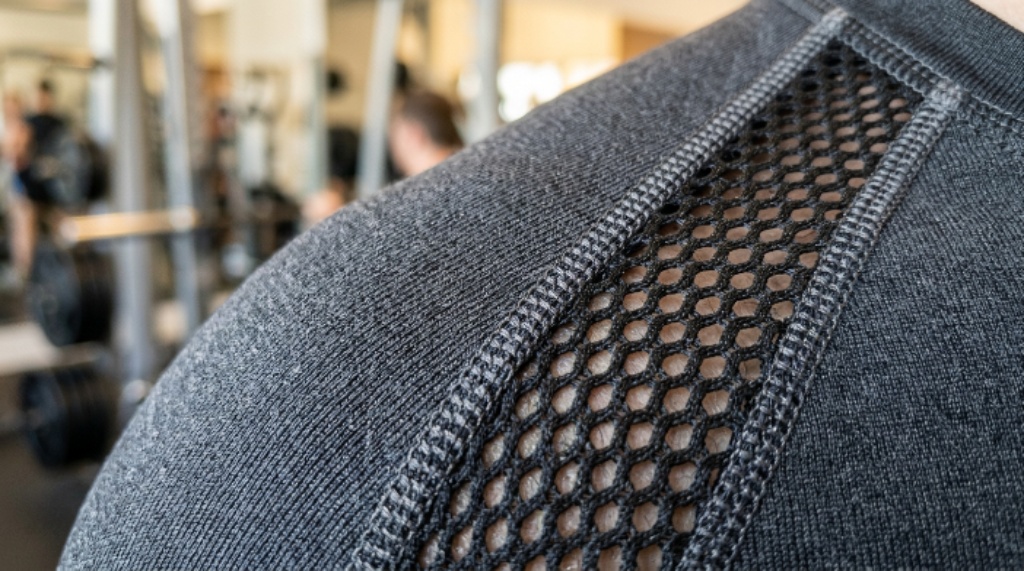
A shirt that fits well allows air to circulate. Mesh panels under the arms or across the back improve airflow. This helps sweat evaporate faster. Avoid overly tight shirts that restrict movement or trap heat.
On the other hand, shirts that are too loose can bunch up and rub against the skin. A relaxed athletic fit tends to work best for most people.
How to Care for Your Workout Shirts
Even the best shirt will start to smell if you do not wash it properly. Here are some simple habits that will extend the life and freshness of your gym gear.
Wash After Every Use
This seems obvious. However, many people leave sweaty shirts in a gym bag for days. Bacteria multiply fast in warm, damp environments. Therefore, always wash your workout shirts as soon as possible after exercising.
Use the Right Detergent
Standard laundry detergent does not always remove sweat and bacteria effectively. Sports detergents are specially formulated for athletic wear. They penetrate synthetic fabrics more deeply and neutralize odors at the source. A small amount goes a long way.
Avoid Fabric Softeners
Fabric softeners feel great on everyday clothes. However, they coat the fibers of athletic fabric. This reduces the moisture-wicking performance of the shirt over time. Additionally, it can trap odors rather than remove them. Skip the softener for gym wear.
Wash in Cold Water
Hot water can break down antimicrobial treatments faster. Cold water is gentler on the fabric and still effective at removing sweat and dirt. It also helps your shirt keep its shape and color longer.
Air Dry When Possible
High heat from a dryer can damage synthetic fabrics. It can also shrink certain materials. Hanging your shirts to air dry is a simple habit that extends their lifespan significantly. If you must use a dryer, choose a low heat setting.
Smell-Proofing Tips for Long-Term Freshness
Beyond washing, there are a few extra steps you can take to keep your shirts smelling clean.
- Turn shirts inside out before washing. The inside is where most sweat and bacteria accumulate. Washing inside out gives the detergent direct contact with the dirtiest area.
- Soak heavily used shirts in a mixture of cold water and white vinegar for 30 minutes before washing. Vinegar helps break down bacteria and neutralizes stubborn odors.
- Store clean shirts in a dry, open area. Avoid sealing them in airtight bags or drawers right after washing.
- Replace old shirts regularly. Even with great care, most athletic shirts lose their performance qualities after 100 to 150 washes.
How to Choose the Right Shirt for Your Workout Type
Different workouts call for different types of shirts. A shirt that works well for yoga may not be ideal for high-intensity interval training.
For high-sweat activities like running, cycling, or HIIT, prioritize moisture-wicking polyester or nylon blends. Look specifically for quick-dry t-shirts with ventilation panels and a close-but-not-tight fit.
For moderate activities like walking, stretching, or light gym work, bamboo or merino wool options offer comfort and natural odor resistance without sacrificing style.
For outdoor workouts in changing weather, merino wool is particularly useful. It regulates temperature, resists odor, and performs well in both warm and cool conditions.
Conclusion
Choosing the right workout shirt is not complicated, but it does require some thought. Start with the right fabric. Polyester, nylon, merino wool, and bamboo all outperform cotton in sweat management. Look for moisture-wicking technology, antimicrobial treatments, and good ventilation. These features work together to keep you dry and odor-free.
Additionally, take care of your shirts properly. Wash them after every use, skip the fabric softener, and air dry when possible. These small habits make a big difference over time.
With the right shirt and a smart care routine, smelly gym clothes can become a thing of the past. Invest in good gear, treat it well, and your workouts will feel fresher and more comfortable every single time.
Frequently Asked Questions
What is the best fabric to prevent sweat smell in workout shirts?
Polyester and nylon blends with moisture-wicking technology are among the best choices. Merino wool is also excellent due to its natural antimicrobial properties. Both options dry fast and resist odor better than cotton.
How often should I wash my workout shirts?
You should wash your workout shirts after every single use. Leaving sweat to sit in the fabric, even for a few hours, allows bacteria to multiply and odors to set in deeply.
Do antimicrobial treatments in gym shirts last forever?
No, they do not. Antimicrobial treatments can fade with repeated washing. To preserve them longer, use sports detergent, wash in cold water, and avoid fabric softeners and high dryer heat.
Can white vinegar really help remove gym shirt odors?
Yes, it can. Soaking shirts in a diluted white vinegar solution before washing helps break down bacterial buildup and neutralizes persistent odors. It is a safe, affordable, and effective method.
Is it worth spending more on premium workout shirts?
In most cases, yes. Higher-quality shirts use better fabric technology and more durable antimicrobial treatments. They tend to maintain their performance and freshness much longer than cheaper alternatives, making them a better value over time.
Related Topics:
Unlocking the Triad: Exploring the Interconnectedness of Fitness, Health, and Wellness
How to Create a Full-Body Workout Routine Without Equipment