You want protection from sharp rocks, hot sand, and slippery boat decks, but you do not want to spend a fortune on gear that might wear out in a month. Finding durable water socks affordable neoprene water socks feels like a contradiction, yet it is entirely possible if you know exactly what to look for. Many budget-friendly pairs fail within weeks because they use thin rubber or poor stitching. This guide will show you how to spot genuine value, avoid common pitfalls, and choose a pair that lasts through seasons of use without emptying your wallet.
What Makes Neoprene Water Socks Durable Enough for Regular Use?
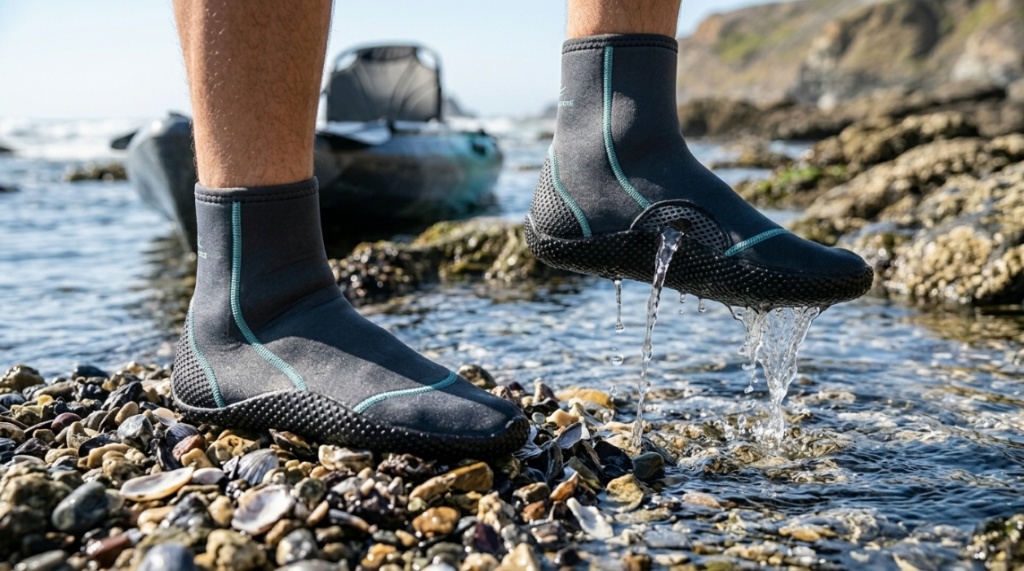
Durability in neoprene water socks comes from three specific features: material thickness, seam construction, and sole reinforcement. A sock with at least 3mm neoprene resists punctures better than thinner options. Flatlock or glued-and-blind-stitched seams prevent unraveling after repeated wear. A rubber or thermoplastic polyurethane (TPU) sole adds abrasion resistance where you need it most.
Cheap socks often use 1.5mm or 2mm neoprene that tears easily on rough surfaces. They also rely on simple overlock stitching that comes apart after a few trips. To get durability on a budget, you must prioritize these construction details over brand names or flashy colors. Look for reinforced toe and heel caps, which are common indicators of longer lifespan. Even affordable models from lesser-known brands can last two to three seasons if they use quality materials.
How Thickness Affects Longevity
Thicker neoprene provides more cushioning and puncture resistance. For rocky beaches or tide pooling, 3mm is the sweet spot for budget-conscious buyers. Thinner socks flex more but sacrifice protection. If you mostly use socks on sandy bottoms or inside kayaks, 2mm may suffice, but expect shorter lifespan.
Why Seam Type Matters
Flatlock seams lie flat against the skin and resist fraying. Glued-and-blind-stitched seams are even stronger because the needle does not go all the way through the material. Avoid socks with visible raw edges or simple folded hems, as these fail first.
Which Features Should You Prioritize in Affordable Neoprene Water Socks?
When shopping on a budget, prioritize a thick rubber sole, reinforced toe cap, and secure heel fit. These three features directly impact how long the socks last and how well they protect your feet. A sturdy sole with tread pattern prevents slipping on wet surfaces and delays wear from walking on rough terrain.
Ventilation holes or drainage ports are useful but not essential for durability. Focus first on structure, then on comfort features. Adjustable ankle straps or cinch cords help keep sand and debris out, but they add cost. If your budget is tight, skip extras and invest in better base construction. Many budget-friendly models now include molded rubber soles that rival premium brands at half the price.
Essential Features Checklist for Budget Buyers
- Minimum 3mm neoprene thickness
- Reinforced toe and heel areas
- Non-slip rubber or TPU outsole with tread
- Flatlock or blind-stitched seams
- Secure heel pocket to prevent slipping
Optional Features That Add Cost
- Built-in arch support
- Neoprene ankle cuffs
- Reflective strips for visibility
- UV protection coatings
How Can You Find Durable Socks Without Overpaying?
The best way to find durable water socks affordable neoprene water socks is to shop from specialized outdoor retailers during off-season sales, check online marketplaces for last-season models, and read reviews that specifically mention long-term wear. Avoid generic multipacks sold at big-box stores, as they often use inferior materials that fail quickly.
Another strategy is to look for discontinued colorways or older model years from reputable brands. These often sell for 40-60% less than current versions while offering identical construction. Sign up for newsletters from surf or water sports shops to catch flash sales. Many brands offer clearance sections where durable socks are deeply discounted simply because of packaging changes.
Where to Check for Deals
- Surf shop clearance sections online
- Outlet versions of major outdoor brands
- Last-season inventory on Amazon or eBay
- Discount outdoor gear websites (Steepandcheap, Sierra)
- Buy-nothing groups or gear swap forums
Is It Worth Paying More for Brand Name Water Socks?
Brand name does not automatically guarantee durability, and many budget brands now produce socks that outperform expensive counterparts. The key difference is in quality control and warranty support. Premium brands like NRS or O’Neill offer warranties that cover manufacturing defects for one to two years, which adds value over time. However, you can often find generic brands with identical specifications for half the price.
Instead of focusing solely on brand name, examine the product specifications side by side. Compare neoprene thickness, sole material, and stitching method. Many affordable brands use the same Taiwanese or Korean neoprene suppliers as premium labels. The main difference is in marketing and packaging. If you find a no-name sock with 3mm neoprene, glued seams, and a thick rubber sole, it will likely perform just as well as a branded alternative.
When Brand Matters
If you plan to use socks for professional guiding, frequent diving, or rental fleets, brand warranties and replacement parts become important. For casual beach trips, paddleboarding, or family outings, generic models work fine.
How Should You Care for Neoprene Water Socks to Extend Their Life?
Proper care doubles the lifespan of budget neoprene socks. Rinse them with fresh water immediately after each use to remove salt, sand, and chlorine. Never wring them out, as twisting damages neoprene cells. Gently press out excess water and air dry away from direct sunlight or heat sources. Store them flat or rolled loosely, never folded sharply.
Many people ruin affordable socks by machine washing or drying them. Heat breaks down neoprene foam and separates layers. If socks smell musty, soak them in a mixture of cool water and a few drops of mild soap, then rinse thoroughly. Avoid bleach or fabric softener. With this care routine, even a $15 pair can last two full seasons.
When maintaining massive indoor water features or large tank setups, you need the right gear from top to bottom. Just as you’d rely on the Best Affordable Aquarium Water Pump to handle the heavy lifting of water circulation, wearing a reliable pair of budget-friendly water socks will keep your feet dry and slip-free during messy cleanups.
Quick Care Tips
- Rinse with cold fresh water after every use
- Press dry with a towel — never wring
- Air dry in shade, not on radiator or in direct sun
- Store in a cool, dry place away from heat
- Avoid machine washing or drying
Can Cheap Neoprene Socks Be Comfortable for All-Day Wear?
Yes, affordable neoprene socks can be comfortable for extended wear if you choose the correct size and material quality. Comfort depends more on fit than price. A sock that fits snugly without bunching at the heel or toes prevents blisters and fatigue. Look for socks with a contoured heel pocket and enough stretch to accommodate your foot shape without being tight.
Budget models often use thinner neoprene that feels less cushioned, but this can actually be beneficial in warm conditions because it allows better breathability. If you plan to wear socks for several hours in water, a snug fit prevents water from pooling inside, which reduces chafing. Some affordable socks include minimal arch support, but you can add thin insoles if needed.
How to Ensure Proper Fit Without Trying On
Measure your foot length and width at home, then compare to the brand’s size chart. Read user reviews for notes on sizing accuracy — many budget socks run small. If between sizes, choose the larger option and wear thin liner socks if needed.
Which Activities Are Best Suited for Budget Neoprene Water Socks?
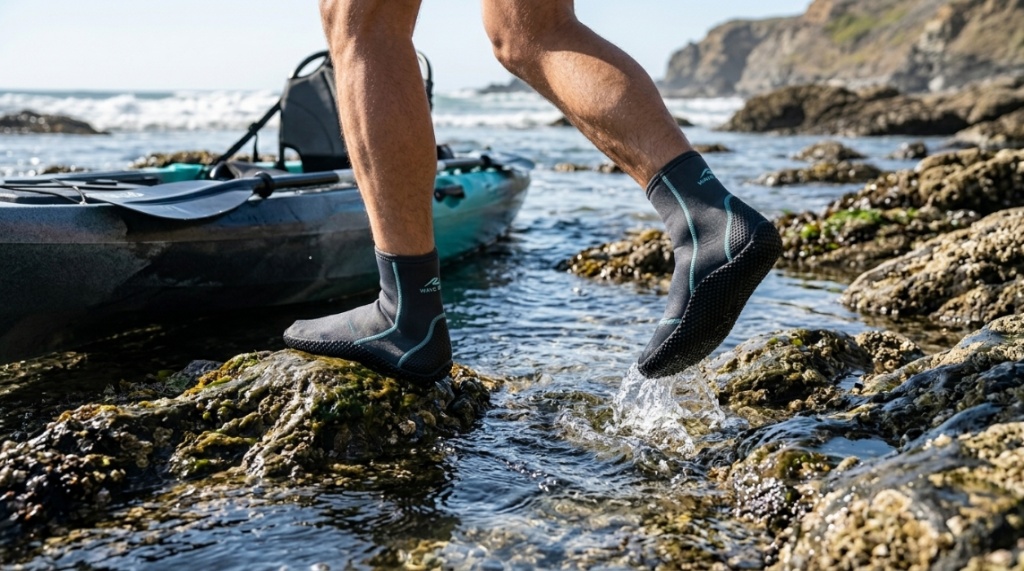
Budget-friendly neoprene socks work excellently for kayaking, paddleboarding, snorkeling, tide pooling, beach walking, and light hiking near water. They also protect feet from hot sand and sharp shells during beach volleyball or picnics. For extreme activities like scuba diving, whitewater rafting, or long surf sessions in cold water, you may need thicker, higher-end options.
If you mainly use socks for occasional trips to the lake or ocean, a budget pair provides all the protection you need without overspending. Many affordable models have enough traction for boat decks and wet rocks, and they dry quickly between uses. For children or growing teens, budget socks make sense because they will likely outgrow them before wearing them out.
Activity Suitability Table
| Activity | Budget Sock Suitability | Recommended Minimum Thickness |
|---|---|---|
| Kayaking | Excellent | 2mm |
| Snorkeling | Good | 3mm |
| Beach walking | Excellent | 2mm |
| Scuba diving | Fair (choose thicker) | 5mm+ |
| Paddleboarding | Very Good | 2-3mm |
| Whitewater rafting | Fair (need reinforced sole) | 3mm+ |
How Do You Identify Poor Quality Affordable Water Socks Before Buying?
Red flags include vague product descriptions that do not state neoprene thickness, stock photos showing different designs than actual product, and user reviews mentioning tearing after one or two uses. Avoid socks with thin fabric that looks more like nylon than neoprene, and those with smooth plastic soles that offer no grip.
Check for reviews that specifically mention durability after multiple uses. Look for complaints about seams splitting, holes forming at the toes, or soles peeling away. If multiple reviews describe the same failure point, move on. Also be wary of socks sold in bulk packs at extremely low prices — these often use manufacturing scraps that lack quality control.
Quick Quality Check Before Purchase
- Does the listing specify neoprene thickness? (If not, skip it)
- Are there close-up photos of seams and soles?
- Do reviews mention long-term use or only first impressions?
- Is there a warranty or return policy?
- What is the sole material? (Rubber or TPU is good, foam is poor)
What Sizing Mistakes Do First-Time Buyers Make?
The most common mistake is buying socks that are too large, which causes bunching, blisters, and reduced protection. Neoprene socks should fit like a second skin — snug but not painful. If your heel lifts when you walk, the sock is too big. Another mistake is assuming your shoe size equals sock size. Neoprene socks typically fit differently than sneakers, always check the brand’s specific size chart.
Many budget socks shrink slightly after first washing, especially if exposed to heat. To avoid this, buy a size up if the material is labeled as “premium neoprene” without anti-shrink treatment. Read reviews from buyers with similar foot shapes. Wide-footed shoppers often need to size up even when length is correct.
How to Measure at Home
- Place a piece of paper on the floor against a wall
- Stand with heel touching the wall
- Mark the longest toe on the paper
- Measure from wall to mark in centimeters
- Compare to the brand’s size chart
Can You Use Neoprene Socks for Cold Water?
Yes, but budget socks with 3mm neoprene provide only moderate insulation in water below 60°F (15°C). For colder conditions, look for socks with thermal lining or those marketed specifically for cold water. Some affordable models now include a thin layer of thermal foil between neoprene layers, which helps retain heat without adding bulk.
If you only encounter cold water occasionally, wearing budget socks over thin wool or synthetic liner socks adds warmth without buying expensive gear. Alternatively, you can use thicker booties for extreme cold and save budget socks for warm-weather activities. Many budget-friendly neoprene socks dry fast enough to use for multiple days in a row, which is helpful during cold-weather trips.
Temperature Guide for Budget Neoprene Socks
| Water Temperature | Recommended Thickness | Budget Feasibility |
|---|---|---|
| Above 75°F (24°C) | 1.5-2mm | Excellent |
| 65-75°F (18-24°C) | 2-3mm | Good |
| 55-65°F (13-18°C) | 3-5mm | Fair (need thicker) |
| Below 55°F (13°C) | 5mm+ with thermal | Poor (invest in premium) |
Frequently Asked Questions
How long should affordable neoprene water socks last?
With proper care, budget neoprene socks (3mm thickness) typically last 1-2 seasons of regular use. Cheaper 2mm socks may only last 6-12 months. Following care instructions can double their lifespan.
Are neoprene water socks machine washable?
No. Machine washing damages neoprene foam and weakens seams. Always hand wash with mild soap and cold water, then air dry away from direct heat and sunlight.
Can I wear neoprene socks with flippers?
Yes, but ensure the socks are thin enough (2-3mm) to fit comfortably inside fin pockets without causing pressure points. Budget socks work well for snorkeling fins.
What is the difference between water socks and water shoes?
Water socks are more flexible, lighter, and fit tighter than water shoes. They provide better dexterity for swimming and paddleboarding. Water shoes have stiffer soles and more structure for hiking on rough terrain.
Do budget neoprene socks protect against jellyfish stings?
Yes, they provide a physical barrier that reduces the chance of stings. However, very thin budget socks may not prevent stings from larger jellyfish tentacles. Thicker neoprene offers better protection.
Should I buy socks with drainage holes?
Drainage holes help water escape quickly after exiting the water, which can improve comfort. They are not necessary for durability. If budget allows, look for models with mesh drainage panels rather than simple holes.
Can children wear affordable neoprene water socks?
Yes, budget neoprene socks are excellent for children since they outgrow them quickly. Choose socks with reinforced toes and secure heel fit to prevent slipping during active play.
Conclusion
Finding durable water socks that are also affordable comes down to understanding what actually matters in construction. Focus on 3mm neoprene, reinforced seams, and a sturdy rubber sole. Avoid flashy brands and generic multipacks with thin materials. Care for your socks properly, and even a budget pair will serve you well for seasons to come. Now is the time to put this knowledge into action. Check the sizing guide for your feet, compare specifications rather than prices alone, and invest in a pair built to last. Your feet will thank you every time you step onto rocky shores, hot sand, or slippery boat decks without worry.